











Archive: People and Markets
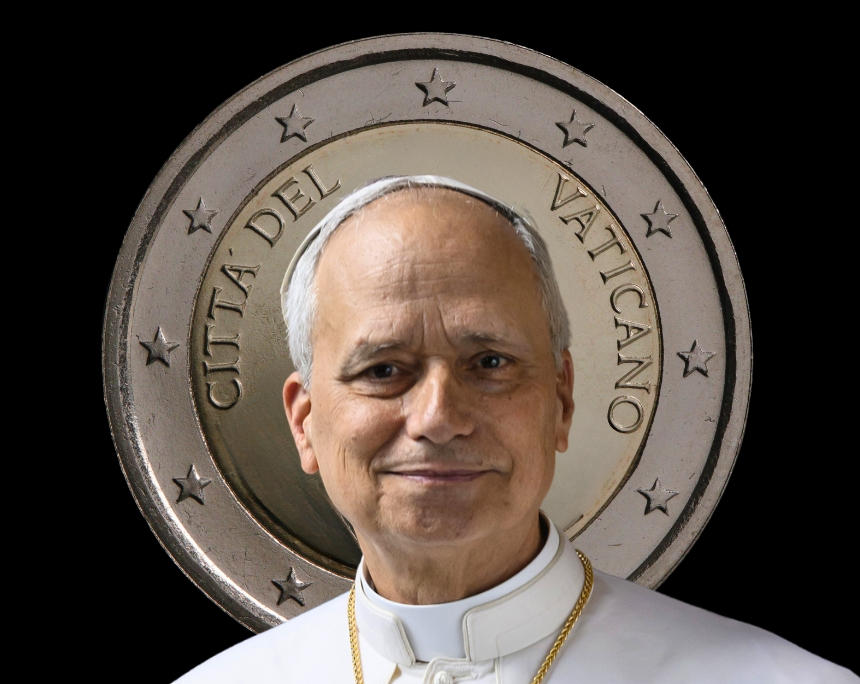
Vatican Plans a Comeback: New Online Shop Launches in July
This move has nothing to do with the inauguration of Pope Leo XIV but has been in preparation for months: Starting in July 2025, the Vatican will resume sales of its philatelic and numismatic products.

Life in the Roman Army: An Exhibition of the British Museum
The British Museum presents a look at one of the most famous fighting forces of all time: the Roman army. Spectacular artifacts from around the globe will be on display in London for the first time. A prominent partner has been brought on board for young visitors.
Archive: Coins, Medals and more
 https://new.coinsweekly.com/wp-content/uploads/2024/05/2024KW21HA_00.jpg
684
860
Ursula Kampmann
https://new.coinsweekly.com/wp-content/uploads/2023/01/logo-coinsweekly_590x204.png
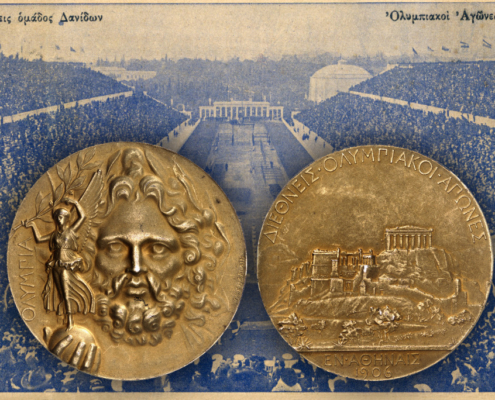
Ursula Kampmann2024-05-23 10:47:532024-05-23 11:04:37The Olympic Games That Are No Longer Recognized
https://new.coinsweekly.com/wp-content/uploads/2024/05/2024KW21HA_00.jpg
684
860
Ursula Kampmann
https://new.coinsweekly.com/wp-content/uploads/2023/01/logo-coinsweekly_590x204.png
Ursula Kampmann2024-05-23 10:47:532024-05-23 11:04:37The Olympic Games That Are No Longer Recognized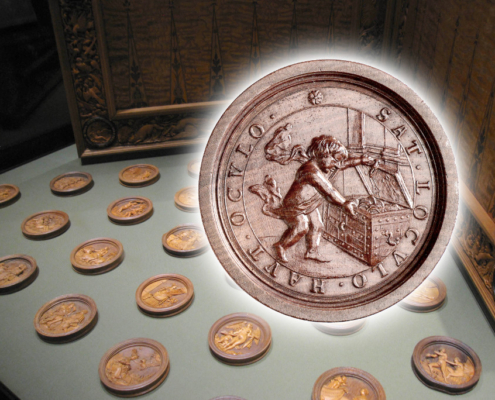 https://new.coinsweekly.com/wp-content/uploads/2025/05/2025KW20HA01_00.jpg
684
860
Lucie Loechel
https://new.coinsweekly.com/wp-content/uploads/2023/01/logo-coinsweekly_590x204.png
Lucie Loechel2025-05-15 11:34:482025-05-15 11:34:48What Do Gaming Counters Have to Do with Numismatics?
https://new.coinsweekly.com/wp-content/uploads/2025/05/2025KW20HA01_00.jpg
684
860
Lucie Loechel
https://new.coinsweekly.com/wp-content/uploads/2023/01/logo-coinsweekly_590x204.png
Lucie Loechel2025-05-15 11:34:482025-05-15 11:34:48What Do Gaming Counters Have to Do with Numismatics?
More Than 2,000 Medieval Denarii Discovered in Czechia
It is said to be one of the most important Czech coin hoards of the last 10 years: more than 2,000 coins from the period around 1100 have been discovered near Kutná Hora. The find dates from a time of conflict between members of the Přemyslid dynasty for control of the Prague princely throne.
Peter Ilisch (1947–2023)
Peter Ilisch passed away on 29 May 2023. The former curator in Münster specialised in medieval and early modern Westphalia. As an obituary, we publish the speech of Stefan Kötz, who paid tribute to his predecessor in office at the funeral service.