






Archive: People and Markets
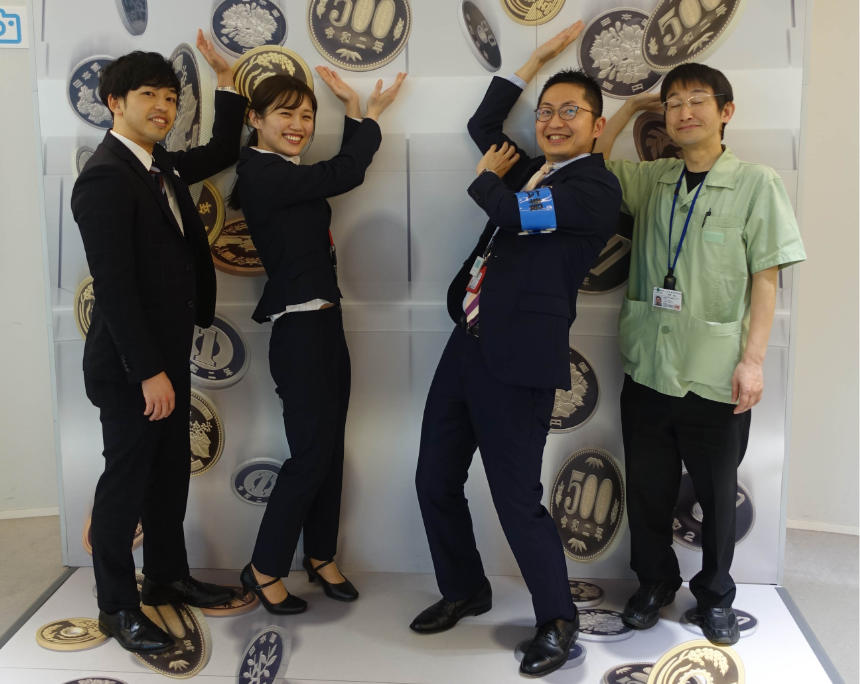
A Visit to the Japan Mint
Japan is a country where cash still plays an important role. Therefore, the Japan Mint is not a single institution but consists of several branches. Ursula Kampmann visited their offices in Saitama. Join her on a tour through the mint!
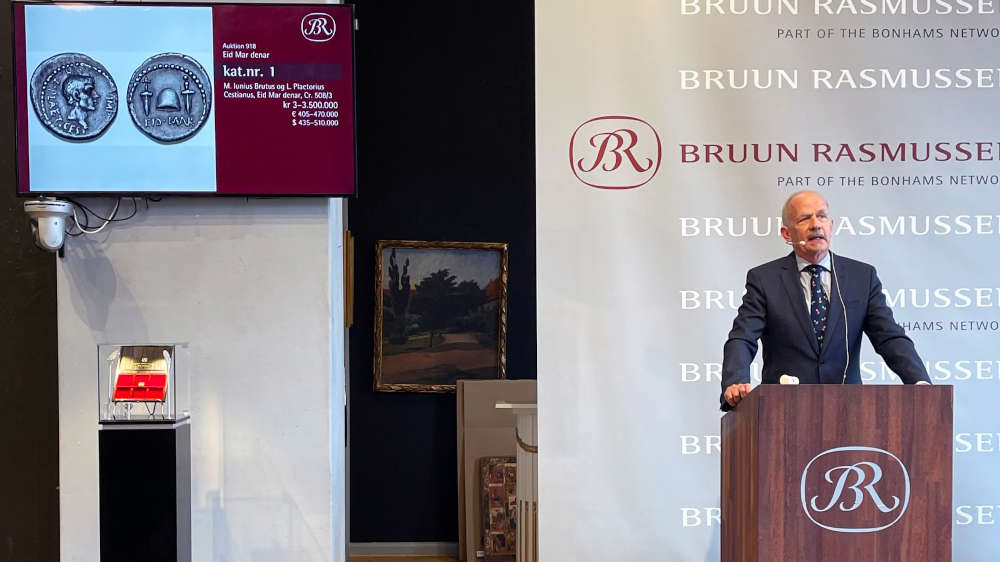
An EID MAR Denarius Set a Nordic Record
An EID MAR denarius was sold at Bruun Rasmussen establishing a record for the most expensive numismatic object ever sold at auction in the entire Nordic region according to the auction house.
Archive: Coins, Medals and more
 https://new.coinsweekly.com/wp-content/uploads/2024/10/2024KW41HA1_00.jpg
684
860
Lucie Loechel
https://new.coinsweekly.com/wp-content/uploads/2023/01/logo-coinsweekly_590x204.png
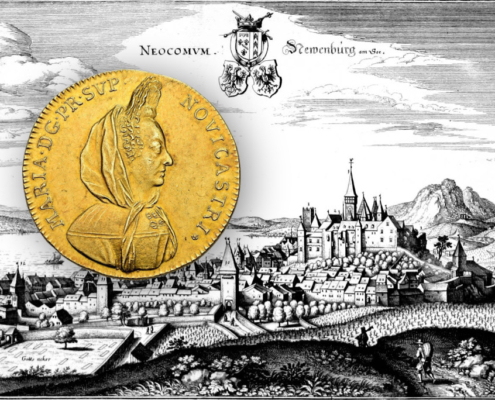
Lucie Loechel2024-10-10 13:41:242024-10-10 13:46:34Why Neuchâtel Is Not Part of France Today
https://new.coinsweekly.com/wp-content/uploads/2024/10/2024KW41HA1_00.jpg
684
860
Lucie Loechel
https://new.coinsweekly.com/wp-content/uploads/2023/01/logo-coinsweekly_590x204.png
Lucie Loechel2024-10-10 13:41:242024-10-10 13:46:34Why Neuchâtel Is Not Part of France Today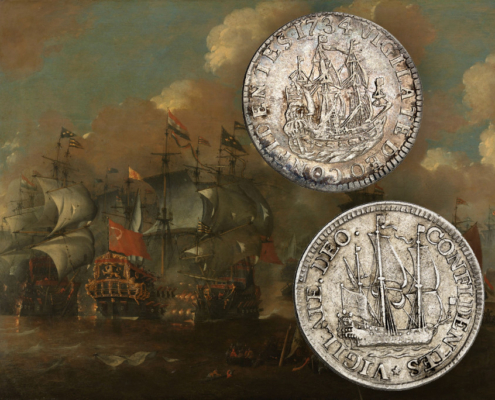 https://new.coinsweekly.com/wp-content/uploads/2024/09/2024KW38HA_00.jpg
684
860
Ursula Kampmann
https://new.coinsweekly.com/wp-content/uploads/2023/01/logo-coinsweekly_590x204.png
Ursula Kampmann2024-09-19 10:16:302024-09-19 11:07:49Bloody Flag and Scheepjesschelling
https://new.coinsweekly.com/wp-content/uploads/2024/09/2024KW38HA_00.jpg
684
860
Ursula Kampmann
https://new.coinsweekly.com/wp-content/uploads/2023/01/logo-coinsweekly_590x204.png
Ursula Kampmann2024-09-19 10:16:302024-09-19 11:07:49Bloody Flag and Scheepjesschelling
Dive Into Numismatics with the Money & Medals Network’s Coin Talks
The Money & Medals Network, funded by The Royal Numismatic Society and the British Numismatic Society, offers regular online lectures on various numismatic topics, from basics to advanced. Join live or watch past presentations, like the recent one on Identifying Ancient Greek Coins, online.
Voting for the Best Latvian Collector Coin of 2024 is Open
From 24 March to 6 April 2025, Latvijas Banka, in cooperation with the news portal Delfi, organises the traditional public vote “Latvia’s Coin of the Year 2024”. This vote will, for the 21st time, determine the public’s favourite collector coin issued during the previous year.