









Archive: People and Markets
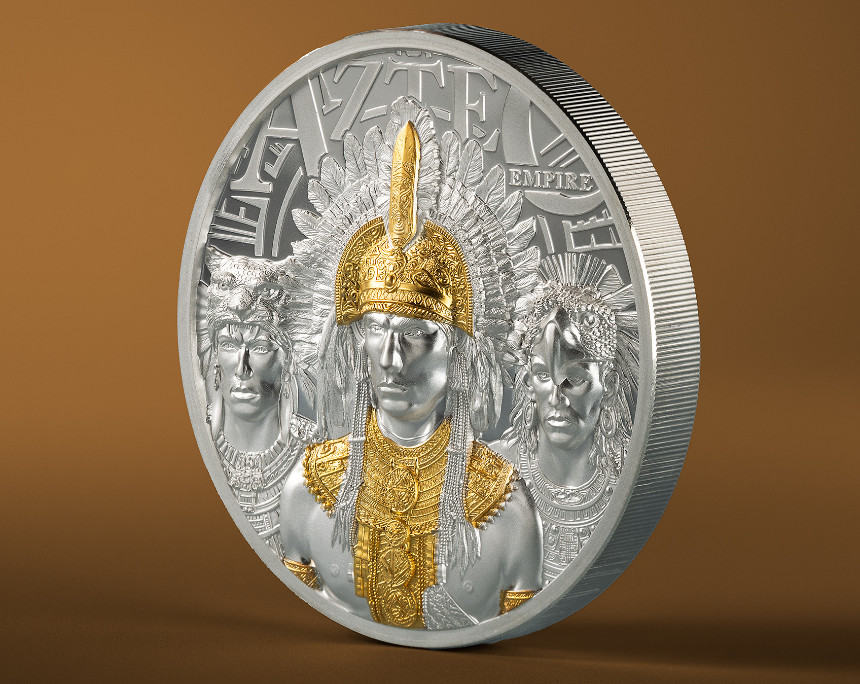
CIT Legends: Aztec Empire
CIT’s Legends series is a feast for the eyes for all those who love to immerse themselves in a coin design. The fourth release of the series is dedicated to the Aztecs, the legendary people who offered blood sacrifices to assure the rising of the sun each day.
Highly Rare in Circulation: 2-Euro Commemorative Coins from San Marino
San Marino’s circulation coins are rare – even in the small Republic itself. And San Marino also issued just a few 2-euro commemorative coins. A real challenge for collectors. Fortunately, numiscontrol has some tips.
Archive: Coins, Medals and more
 https://new.coinsweekly.com/wp-content/uploads/2025/02/2025KW08HA01_00.jpg
684
860
Lucie Loechel
https://new.coinsweekly.com/wp-content/uploads/2023/01/logo-coinsweekly_590x204.png
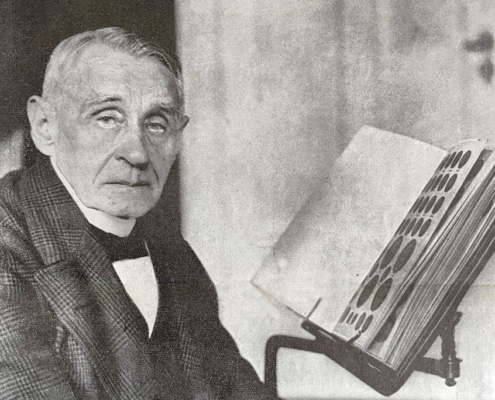
Lucie Loechel2025-02-20 09:21:132025-02-20 09:49:19L. E. Bruun: A Collector in His Time
https://new.coinsweekly.com/wp-content/uploads/2025/02/2025KW08HA01_00.jpg
684
860
Lucie Loechel
https://new.coinsweekly.com/wp-content/uploads/2023/01/logo-coinsweekly_590x204.png
Lucie Loechel2025-02-20 09:21:132025-02-20 09:49:19L. E. Bruun: A Collector in His Time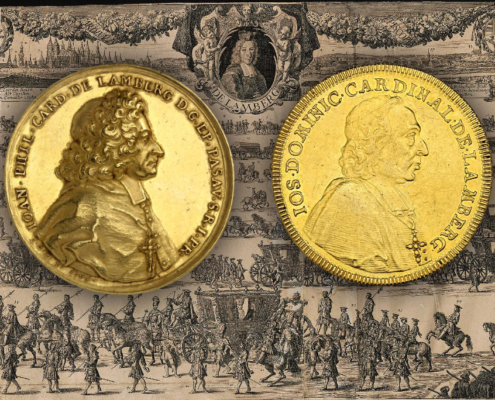 https://new.coinsweekly.com/wp-content/uploads/2025/06/2025KW25HA01_00.jpg
684
860
Lucie Loechel
https://new.coinsweekly.com/wp-content/uploads/2023/01/logo-coinsweekly_590x204.png
Lucie Loechel2025-06-18 09:13:002025-06-18 09:13:00Münster, Osnabrück, Passau and the Counts of Lamberg
https://new.coinsweekly.com/wp-content/uploads/2025/06/2025KW25HA01_00.jpg
684
860
Lucie Loechel
https://new.coinsweekly.com/wp-content/uploads/2023/01/logo-coinsweekly_590x204.png
Lucie Loechel2025-06-18 09:13:002025-06-18 09:13:00Münster, Osnabrück, Passau and the Counts of Lamberg
Two-Euro Ticker: New €2 Coins in January 2025
Fresh additions for €2 collectors – and a surprising twist: 2025 kicks off with an unexpected yet understandable change of plans from one issuing country.
Exclusive Presentation of the Latest Commemorative Coin: The 100-Franc Gold Vreneli Returns After 100 Years
At the World Money Fair, Swissmint unveiled its latest commemorative coin to mark a special anniversary: on 1 July 2025, the coin “100 Years of the 100-Franc Vreneli” will be released – a tribute to the original edition from 1925.