






Archive: People and Markets

Zimbabwe Issues Digital Gold Tokens for Investors
The Reserve Bank of Zimbabwe offers Gold-backed digital tokens for investment. The offer closed on 10 May 2023.
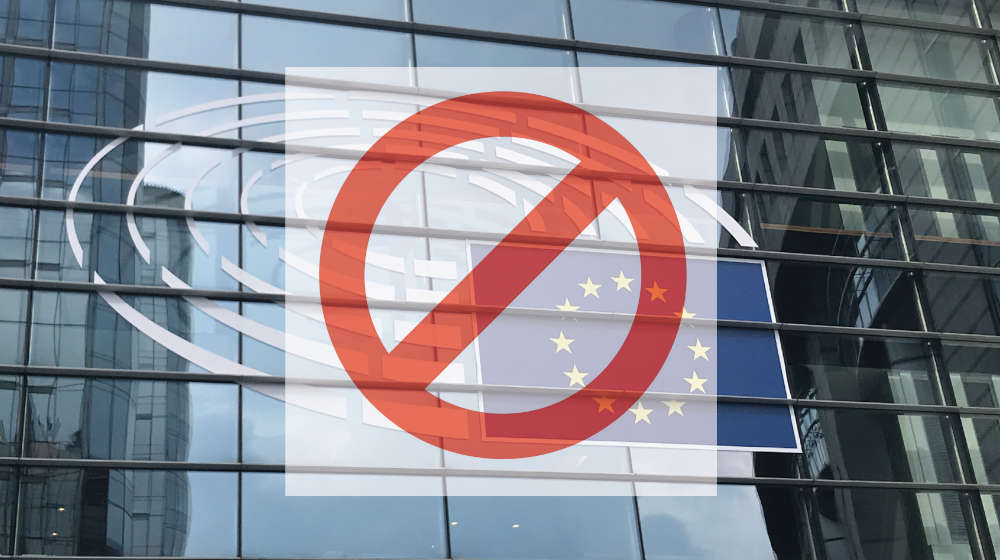
Is the EU Sleepwalking Into an Art Market Nightmare?
Enforcement of import licensing for cultural goods is just two years away, but many serious questions remain over what will happen. A detailed insight into a complicated matter.
Archive: Coins, Medals and more
 https://new.coinsweekly.com/wp-content/uploads/2025/05/2025KW22HA01_00.jpg
684
860
Lucie Loechel
https://new.coinsweekly.com/wp-content/uploads/2023/01/logo-coinsweekly_590x204.png
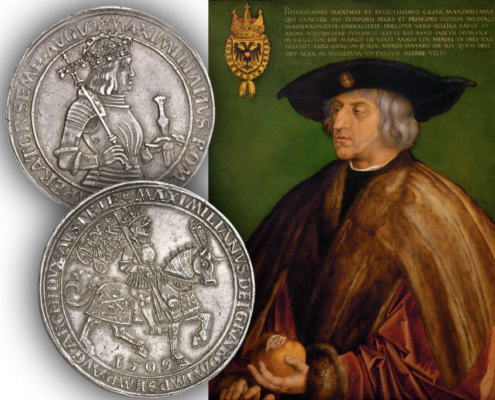
Lucie Loechel2025-05-28 10:29:402025-05-28 10:29:40Maximilian: The Last Knight and / or a Bankrupt
https://new.coinsweekly.com/wp-content/uploads/2025/05/2025KW22HA01_00.jpg
684
860
Lucie Loechel
https://new.coinsweekly.com/wp-content/uploads/2023/01/logo-coinsweekly_590x204.png
Lucie Loechel2025-05-28 10:29:402025-05-28 10:29:40Maximilian: The Last Knight and / or a Bankrupt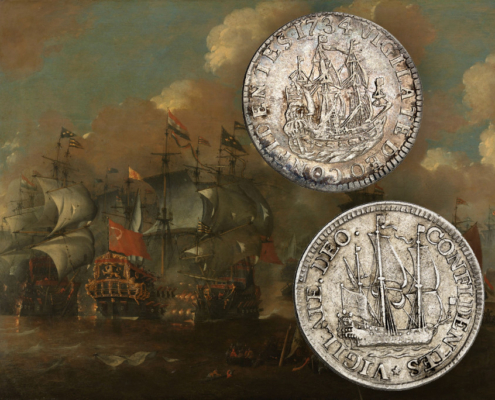 https://new.coinsweekly.com/wp-content/uploads/2024/09/2024KW38HA_00.jpg
684
860
Ursula Kampmann
https://new.coinsweekly.com/wp-content/uploads/2023/01/logo-coinsweekly_590x204.png
Ursula Kampmann2024-09-19 10:16:302024-09-19 11:07:49Bloody Flag and Scheepjesschelling
https://new.coinsweekly.com/wp-content/uploads/2024/09/2024KW38HA_00.jpg
684
860
Ursula Kampmann
https://new.coinsweekly.com/wp-content/uploads/2023/01/logo-coinsweekly_590x204.png
Ursula Kampmann2024-09-19 10:16:302024-09-19 11:07:49Bloody Flag and Scheepjesschelling
Croatian Rulers – A New Coin Series
Croatia is proud of its long and rich history. The Croatian National Bank, in cooperation with the Croatian Mint, is dedicating a new coin series for collectors to their country’s history, focusing on Croatia’s rulers. The first King of Croatia was King Tomislav, who is depicted on the first coin in this series.
Metcalf Lecturer 2023/4: Benjamin Hellings
The Archaeological Institute of America named Benjamin Hellings this year’s Metcalf Lecturer. He is Curator of Numismatics at the Yale University Art Gallery and Chair of the AIA Numismatics Interest Group.