






Archive: People and Markets
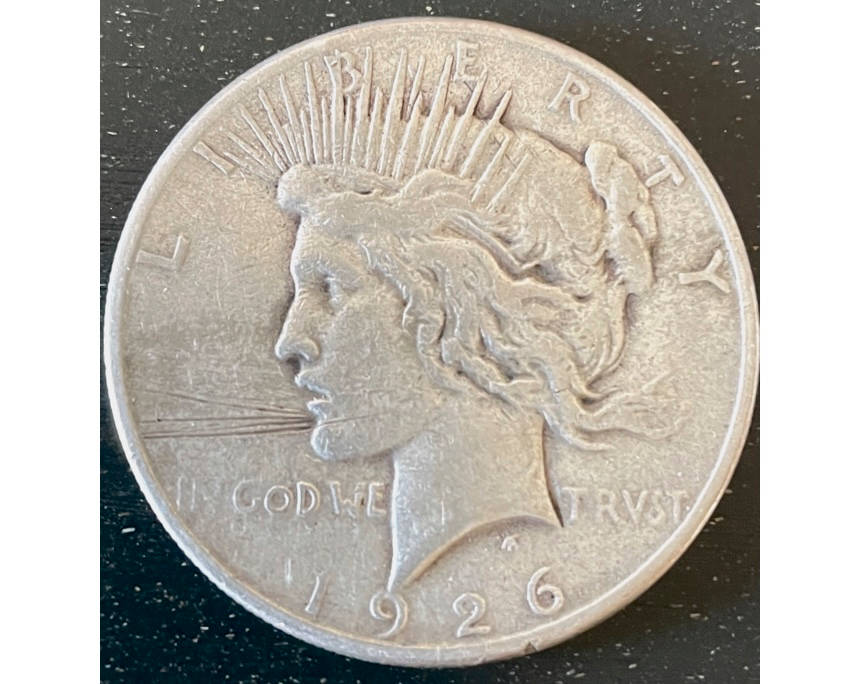
PNG Advisory: No, You Don’t Have A $124 Million Penny
Recent online stories about pennies allegedly worth $124 million and billion-dollar 1976 Bicentennial quarter dollars are either false or grossly misleading, advises the Professional Numismatists Guild.
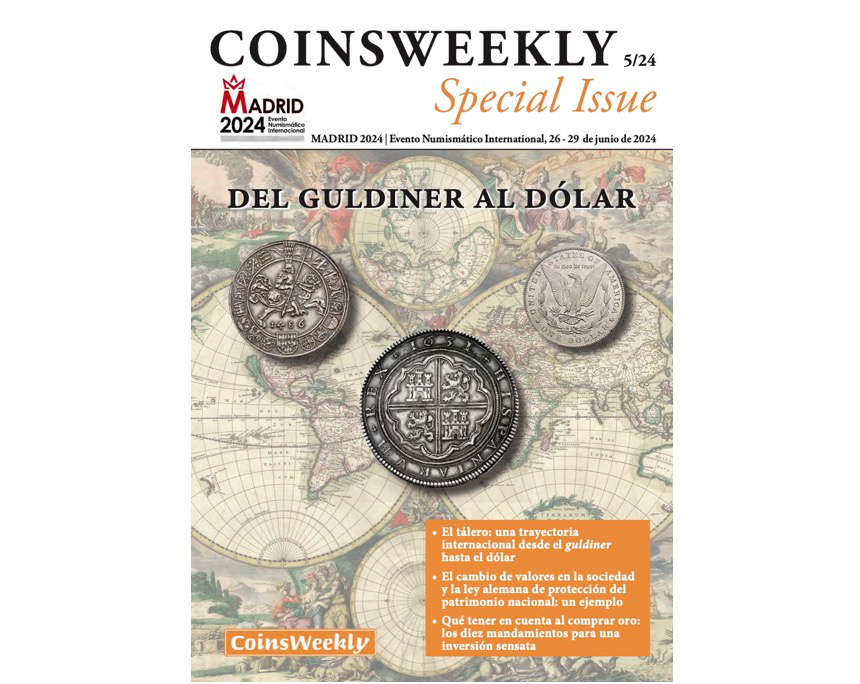
CoinsWeekly Special Issue for the Evento Numismático International Madrid 2024
On the occasion of the new Evento Numismático International in Madrid, we are once again publishing one of our printed CoinsWeekly Special Issues, this time in Spanish. Read about the history of the taler, the protection of cultural assets and much more!
Archive: Coins, Medals and more
 https://new.coinsweekly.com/wp-content/uploads/2024/09/2024KW39HA_00.jpg
684
860
Sebastian Wieschowski
https://new.coinsweekly.com/wp-content/uploads/2023/01/logo-coinsweekly_590x204.png
Sebastian Wieschowski2024-09-26 06:00:552024-09-26 09:25:24Unity Coin Sows Discord: More Than Just a Matter of Taste?
https://new.coinsweekly.com/wp-content/uploads/2024/09/2024KW39HA_00.jpg
684
860
Sebastian Wieschowski
https://new.coinsweekly.com/wp-content/uploads/2023/01/logo-coinsweekly_590x204.png
Sebastian Wieschowski2024-09-26 06:00:552024-09-26 09:25:24Unity Coin Sows Discord: More Than Just a Matter of Taste?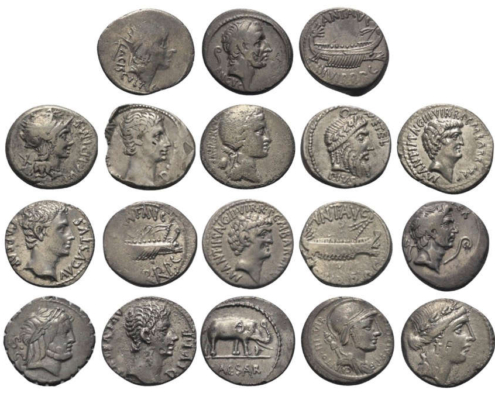 https://new.coinsweekly.com/wp-content/uploads/2023/09/2023KW37HA_00.jpg
684
860
Ursula Kampmann
https://new.coinsweekly.com/wp-content/uploads/2023/01/logo-coinsweekly_590x204.png
Ursula Kampmann2023-09-14 11:08:452023-09-14 11:10:58The Augustean Denarius Find From Brohl-Lützing Offered at Auction
https://new.coinsweekly.com/wp-content/uploads/2023/09/2023KW37HA_00.jpg
684
860
Ursula Kampmann
https://new.coinsweekly.com/wp-content/uploads/2023/01/logo-coinsweekly_590x204.png
Ursula Kampmann2023-09-14 11:08:452023-09-14 11:10:58The Augustean Denarius Find From Brohl-Lützing Offered at Auction
New CIT Issue: The Great Wall of China
No structure in China fires our imagination more than the 21,196-kilometer-long Great Wall of China. Using state-of-the-art minting technology, CIT has created a highly detailed tribute to the Wall with an ultra-high relief.
Alexandria in Nummis – International Symposium in Lugano 2024
The Circolo Numismatico Ticinese presents the program to the international symposium “Alexandria in Nummis” dedicated to the Roman Imperial Coinage of Alexandria.