








Archive: People and Markets
New Director of the Winterthur Coin Cabinet Appointed
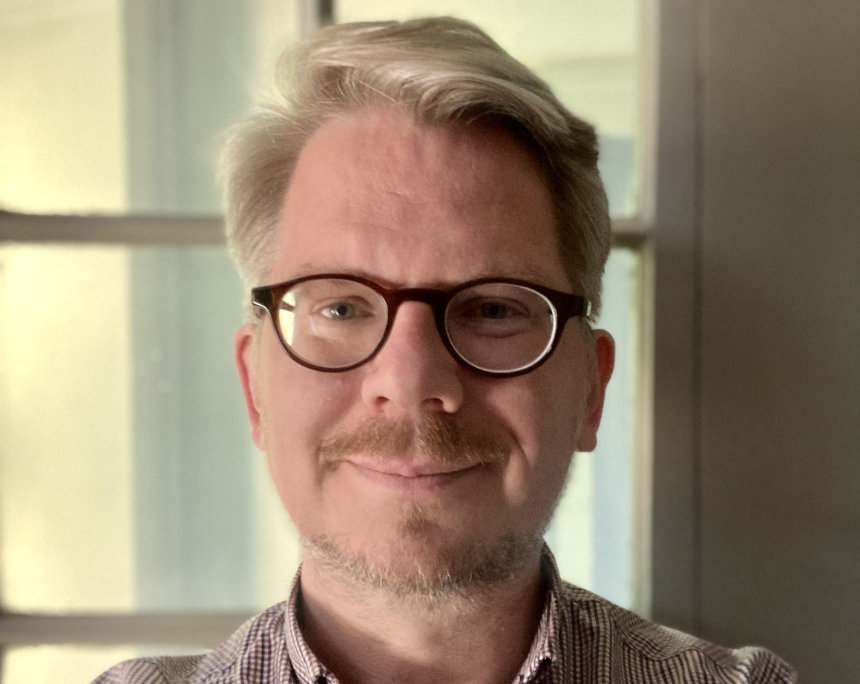
Gunnar Dumke will be the new director of Winterthur Coin Cabinet. The ancient historian and archaeologist will succeed Benedikt Zäch, who is retiring after thirty years at this position.

New Coin Sets Mark 70th Anniversary of the Godzilla Series
To commemorate the 70th anniversary of the Godzilla series, two new coin sets have been released: the 70th Anniversary of GODZILLA Series BU Coin Set and the 70th Anniversary of GODZILLA Series 2024 Proof Coin Set.
Archive: Coins, Medals and more
 https://new.coinsweekly.com/wp-content/uploads/2025/01/2025KW04HA01_00.jpg
684
860
Lucie Loechel
https://new.coinsweekly.com/wp-content/uploads/2023/01/logo-coinsweekly_590x204.png
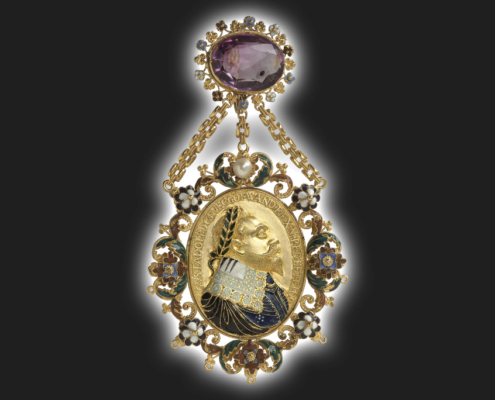
Lucie Loechel2025-01-23 10:04:312025-01-23 14:24:11The Gnadenpfennig – An Object Between Decoration, Medal, and Coin
https://new.coinsweekly.com/wp-content/uploads/2025/01/2025KW04HA01_00.jpg
684
860
Lucie Loechel
https://new.coinsweekly.com/wp-content/uploads/2023/01/logo-coinsweekly_590x204.png
Lucie Loechel2025-01-23 10:04:312025-01-23 14:24:11The Gnadenpfennig – An Object Between Decoration, Medal, and Coin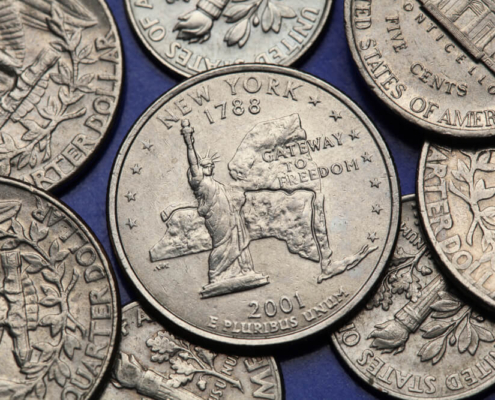 https://new.coinsweekly.com/wp-content/uploads/2023/06/00_shutterstock_235125199.jpg
667
1000
Bruno
https://new.coinsweekly.com/wp-content/uploads/2023/01/logo-coinsweekly_590x204.png
Bruno2022-06-13 12:25:292023-07-03 12:43:47Fascinating Change: The 50 State Quarters of the USA – a Milestone
https://new.coinsweekly.com/wp-content/uploads/2023/06/00_shutterstock_235125199.jpg
667
1000
Bruno
https://new.coinsweekly.com/wp-content/uploads/2023/01/logo-coinsweekly_590x204.png
Bruno2022-06-13 12:25:292023-07-03 12:43:47Fascinating Change: The 50 State Quarters of the USA – a Milestone
Review: Minting For the Future at MDC 2023
The 2023 Mint Directors Conference took place in Ottawa, Canada. It was the first MDC held in five years and welcomed over 250 delegates from mints and the wider industry across the globe.
Coins of the Islamic Lands From the Nasser D. Khalili Collection
The Khalili Collection of Islamic Art is one of the most comprehensive of its kind, and its Islamic coinage is among the finest in private hands. A catalog featuring highlights from the early period of Islamic Coinage has now been published, including many rare and unpublished specimens.