








Archive: People and Markets
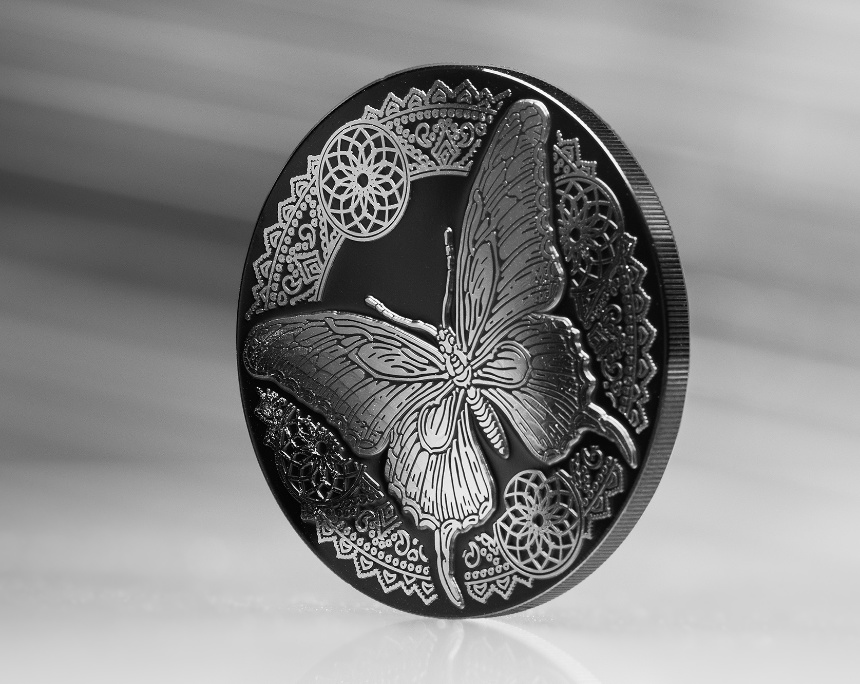
Introducing Nanoshine: CIT’s Butterfly
CIT’s Butterfly seems delicate, fragile and beautiful, just like its real-life model. The technical marvel behind it only becomes apparent at second glance. Nanoshine is a completely new technology with the potential to transform the aesthetics of coin design.

Elagabalus’ New Transgender Identity and Its Consequences on the Coin Trade
The North Hertfordshire Museum has pulled off an ingenious PR coup: the institution publicly announced that they will no longer refer to Elagabalus as “he” but as “she”. Ursula Kampmann explores how this might affect the coin trade.
Archive: Coins, Medals and more
 https://new.coinsweekly.com/wp-content/uploads/2025/06/2025KW25HA01_00.jpg
684
860
Lucie Loechel
https://new.coinsweekly.com/wp-content/uploads/2023/01/logo-coinsweekly_590x204.png
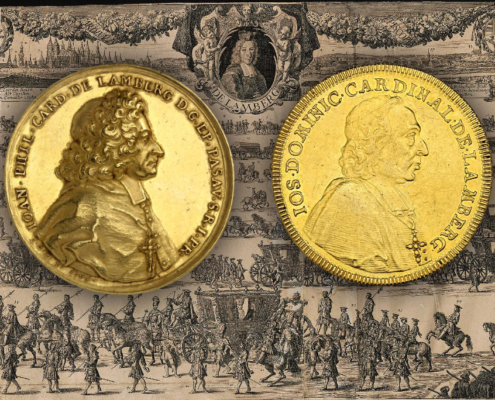
Lucie Loechel2025-06-18 09:13:002025-06-18 09:13:00Münster, Osnabrück, Passau and the Counts of Lamberg
https://new.coinsweekly.com/wp-content/uploads/2025/06/2025KW25HA01_00.jpg
684
860
Lucie Loechel
https://new.coinsweekly.com/wp-content/uploads/2023/01/logo-coinsweekly_590x204.png
Lucie Loechel2025-06-18 09:13:002025-06-18 09:13:00Münster, Osnabrück, Passau and the Counts of Lamberg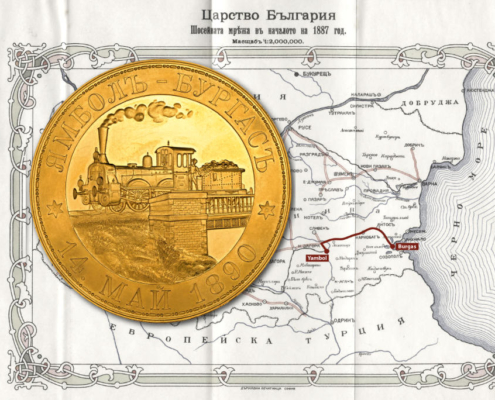 https://new.coinsweekly.com/wp-content/uploads/2023/10/2023KW43HA_00.jpg
684
860
Ursula Kampmann
https://new.coinsweekly.com/wp-content/uploads/2023/01/logo-coinsweekly_590x204.png
Ursula Kampmann2023-10-26 09:05:112023-10-26 11:52:11Bulgaria, Prince Ferdinand I and the Railroad
https://new.coinsweekly.com/wp-content/uploads/2023/10/2023KW43HA_00.jpg
684
860
Ursula Kampmann
https://new.coinsweekly.com/wp-content/uploads/2023/01/logo-coinsweekly_590x204.png
Ursula Kampmann2023-10-26 09:05:112023-10-26 11:52:11Bulgaria, Prince Ferdinand I and the Railroad
A-Mark Precious Metals Acquires Stack’s Bowers Galleries
One of the largest auctioneers in the numismatic world has a new owner. Stack’s Bowers Galleries, including its parent company, entered into a definitive merger agreement to be acquired by A-Mark Precious Metals.
The Great Kentucky Hoard of Pre-1865 US Gold Coinage
A cache of rare Civil War-era coins unearthed in Kentucky includes the finest-known 1863 Double Eagles as well as several interesting varieties and errors.