






Archive: People and Markets
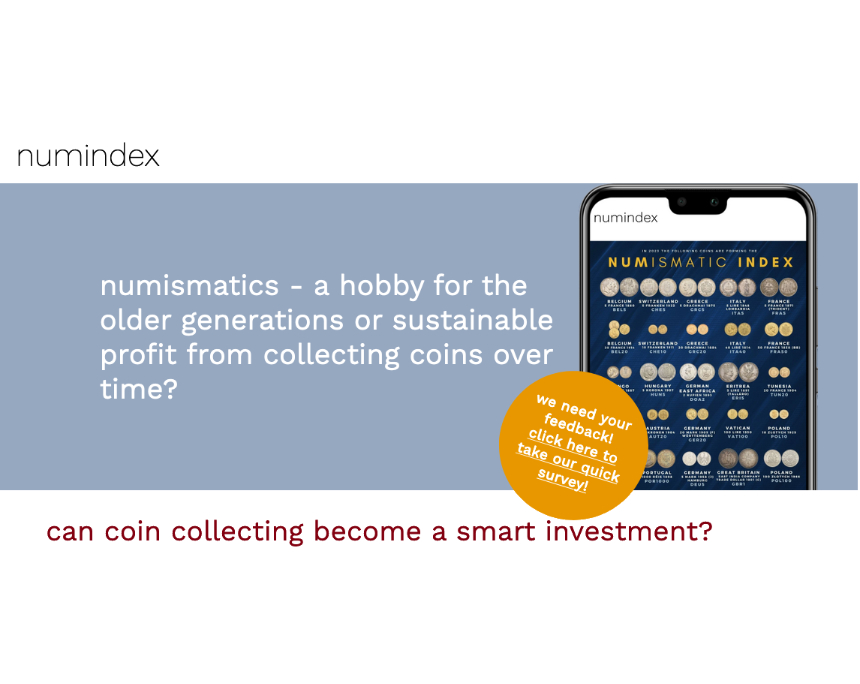
The Numismatic Index numindex in November 2023 – Your Feedback Counts!
At the beginning of the year, numindex was launched as a kind of stock index for coins. In addition to regular updates, some helpful new features have since been introduced. Your opinion as a CoinsWeekly reader is now needed!
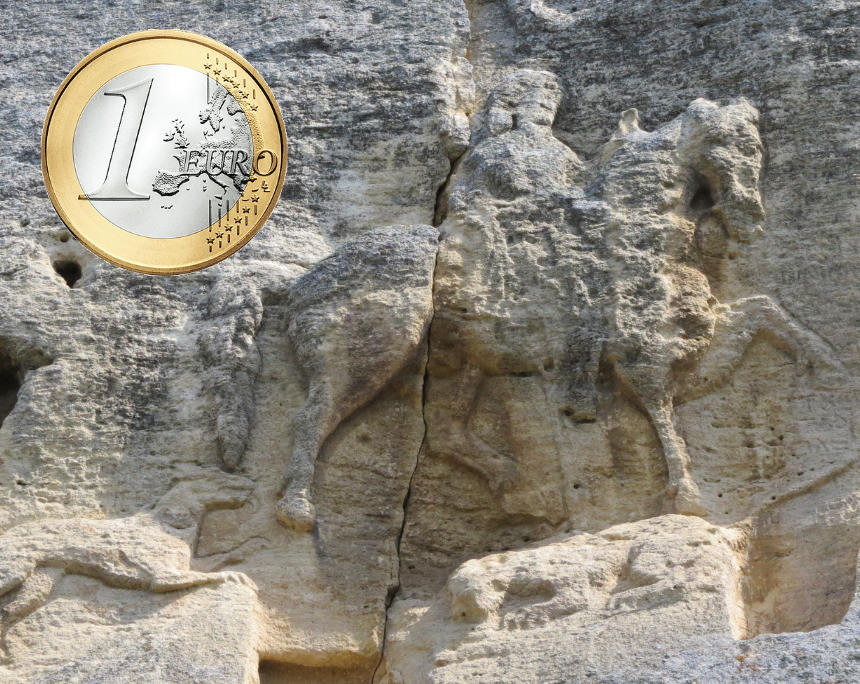
Bulgaria and the Euro: the Current Situation
The plan was for Bulgaria to become a member of the eurozone by January 2024. However, this timeline will not be met. Find out more about the state of negotiations and the motifs that will be depicted on future Bulgarian euro coins.
Archive: Coins, Medals and more
 https://new.coinsweekly.com/wp-content/uploads/2023/06/00_Value_of_coins.jpg
750
1000
Bruno
https://new.coinsweekly.com/wp-content/uploads/2023/01/logo-coinsweekly_590x204.png
Bruno2022-06-13 10:56:082023-06-27 11:29:37Planchet Error, Overstrike, Double-Strike, Etc.: Which Errors Affect the Price of a Coin? – Part 1
https://new.coinsweekly.com/wp-content/uploads/2023/06/00_Value_of_coins.jpg
750
1000
Bruno
https://new.coinsweekly.com/wp-content/uploads/2023/01/logo-coinsweekly_590x204.png
Bruno2022-06-13 10:56:082023-06-27 11:29:37Planchet Error, Overstrike, Double-Strike, Etc.: Which Errors Affect the Price of a Coin? – Part 1
Call for Papers: Conference on Ancient Coin Legends in June 2025
From 26th to 28th June 2025 the conference “Ancient coin legends: composition, design, lexicography, and framing potential” will be held in Munich. Abstracts can be sent in until October 31st 2024.
Benin Bronzes Lawsuit Against Smithsonian
Shall all Benin bronzes be repatriated? The Restitution Study Group says no. They argue for the rights of descendants of slaves trafficked by the Benin Kingdom as you can learn from this interview by Kate Fitz Gibbon.