






Archive: People and Markets
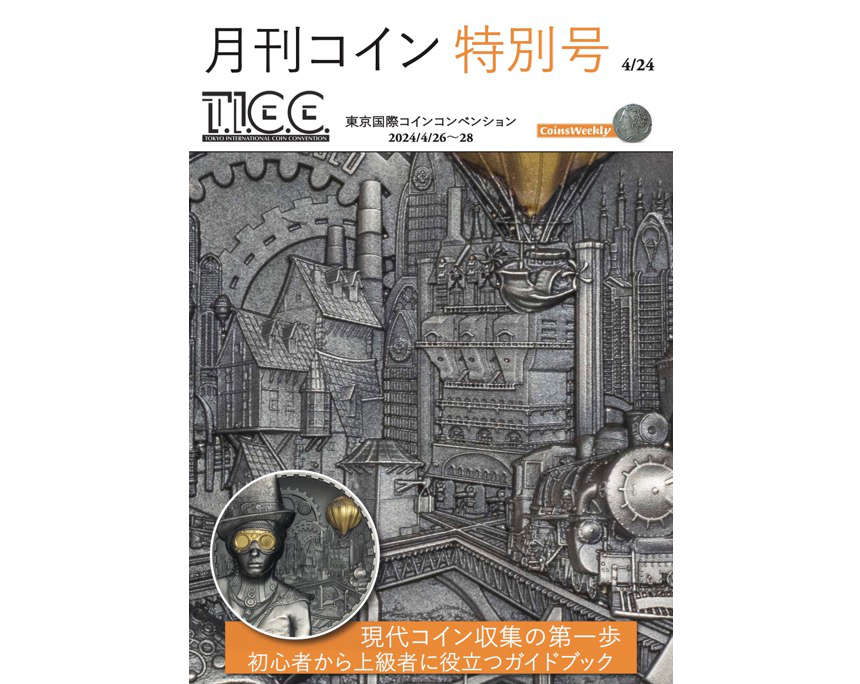
CoinsWeekly Special Issue for the TICC Tokyo 2024
After overwhelming interest last year, we have once again published a printed CoinsWeekly Special Issue for TICC 2024, which takes place in Tokyo from April 26 to 28. If you can’t make it to Tokyo, you can download the PDF here.
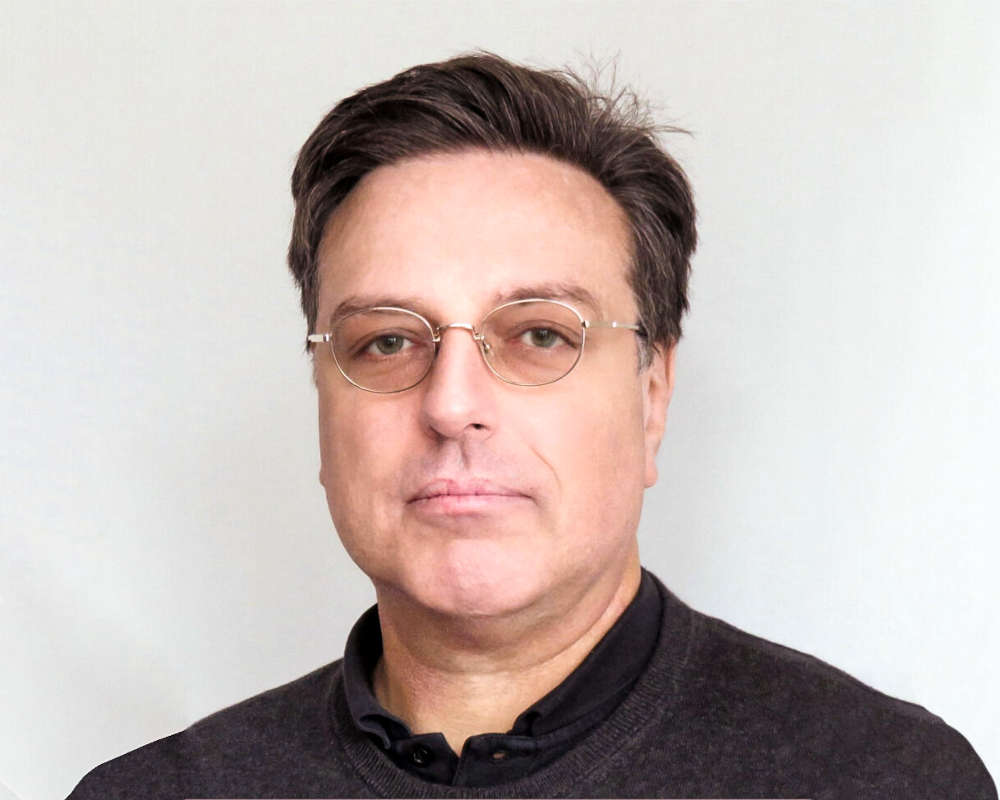
2022 Huntington Medal Award Goes to Wolfgang Fischer-Bossert
Dr. Wolfgang Fischer-Bossert is the recipient for the 2022 Huntington Medal in recognition of his outstanding contributions to numismatic scholarship.
Archive: Coins, Medals and more
 https://new.coinsweekly.com/wp-content/uploads/2023/06/00-6.jpg
489
1001
Bruno
https://new.coinsweekly.com/wp-content/uploads/2023/01/logo-coinsweekly_590x204.png
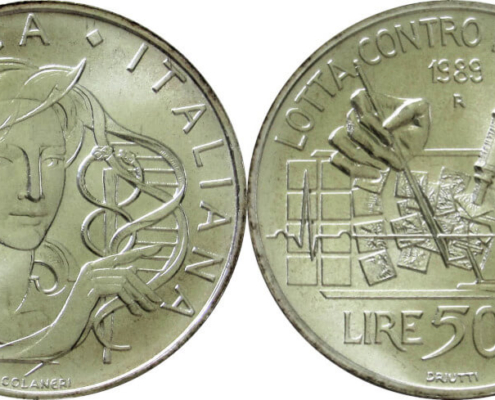
Bruno2022-06-13 12:59:122023-07-03 13:07:57Numismatic Issues Concerning Health, Medicine and Women in Times of Covid, Part 3: Personifications of Health and Medicine
https://new.coinsweekly.com/wp-content/uploads/2023/06/00-6.jpg
489
1001
Bruno
https://new.coinsweekly.com/wp-content/uploads/2023/01/logo-coinsweekly_590x204.png
Bruno2022-06-13 12:59:122023-07-03 13:07:57Numismatic Issues Concerning Health, Medicine and Women in Times of Covid, Part 3: Personifications of Health and Medicine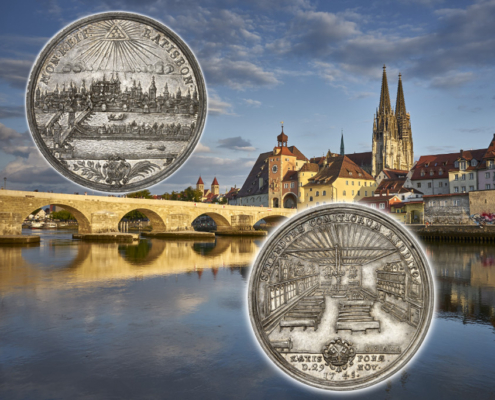 https://new.coinsweekly.com/wp-content/uploads/2024/03/2024KW12HA_00.jpg
684
860
Ursula Kampmann
https://new.coinsweekly.com/wp-content/uploads/2023/01/logo-coinsweekly_590x204.png
Ursula Kampmann2024-03-14 11:47:492024-03-14 11:57:08Regensburg: Where the Emperor and the Empire Met
https://new.coinsweekly.com/wp-content/uploads/2024/03/2024KW12HA_00.jpg
684
860
Ursula Kampmann
https://new.coinsweekly.com/wp-content/uploads/2023/01/logo-coinsweekly_590x204.png
Ursula Kampmann2024-03-14 11:47:492024-03-14 11:57:08Regensburg: Where the Emperor and the Empire Met
Künker Auctions 100 Pieces from the Ronus Collection to Benefit the ANS
As part of Künkers eLive Auction 87, 100 pieces from the Robert Ronus Collection which were generously donated to the ANS will be auctioned off to benefit the Society. Robert Ronus is a passionate coin collector, dedicated numismatist and a long-time supporter of the ANS.
Coins for a New Audience from Singapore
In 2019, coin designer Karz launched his coin publishing company Spectres. He and his team aim to create coins for our modern world – coins that they would be happy to buy themselves. We introduce the young company and some of their products.