







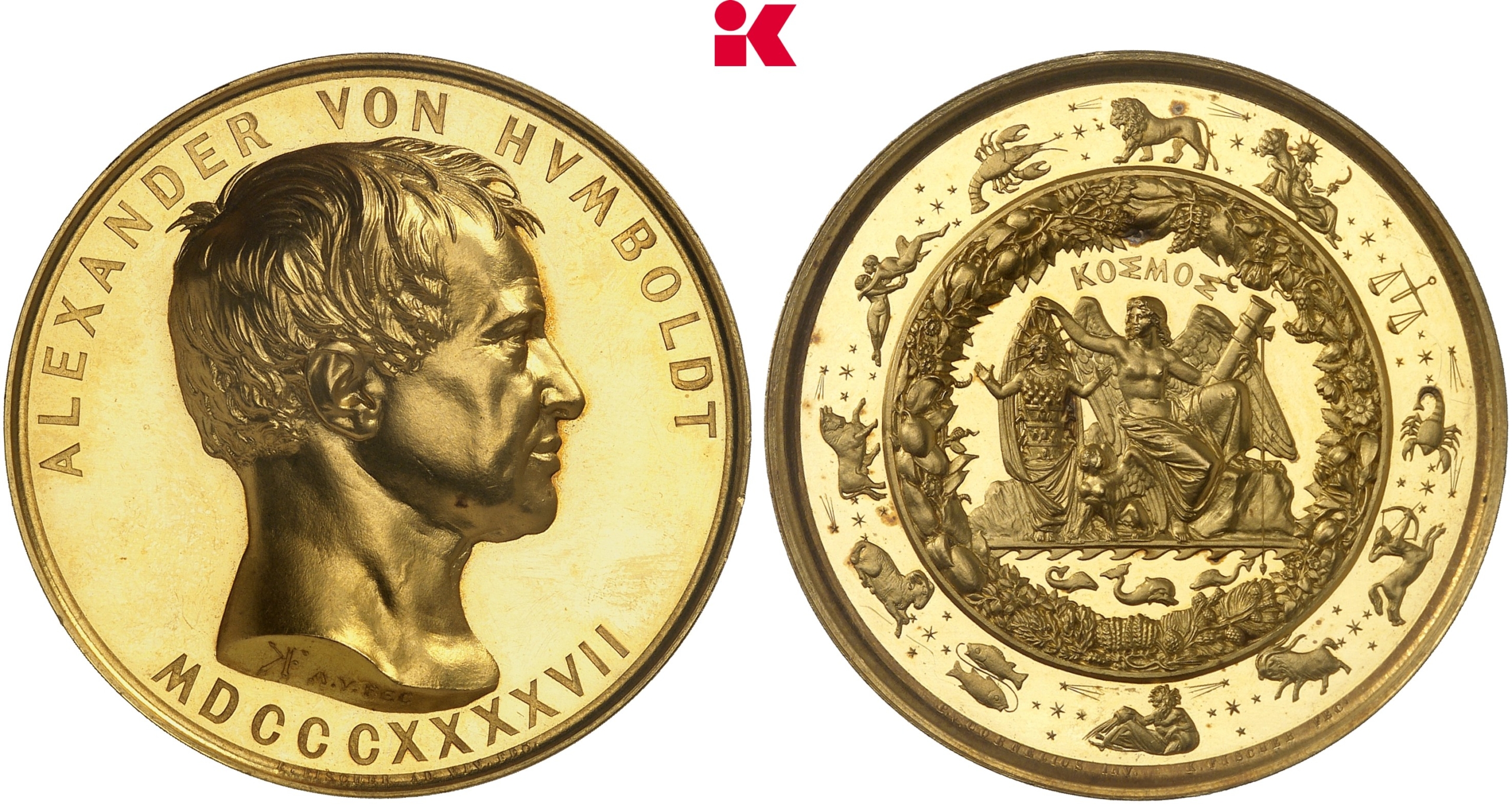
Gold medal in the weight of 50 ducats
commemorating the publication of the second volume
of Alexander von Humboldt’s *Kosmos*.
NGC MS 65 PL.
From the estate of Emperor William I.
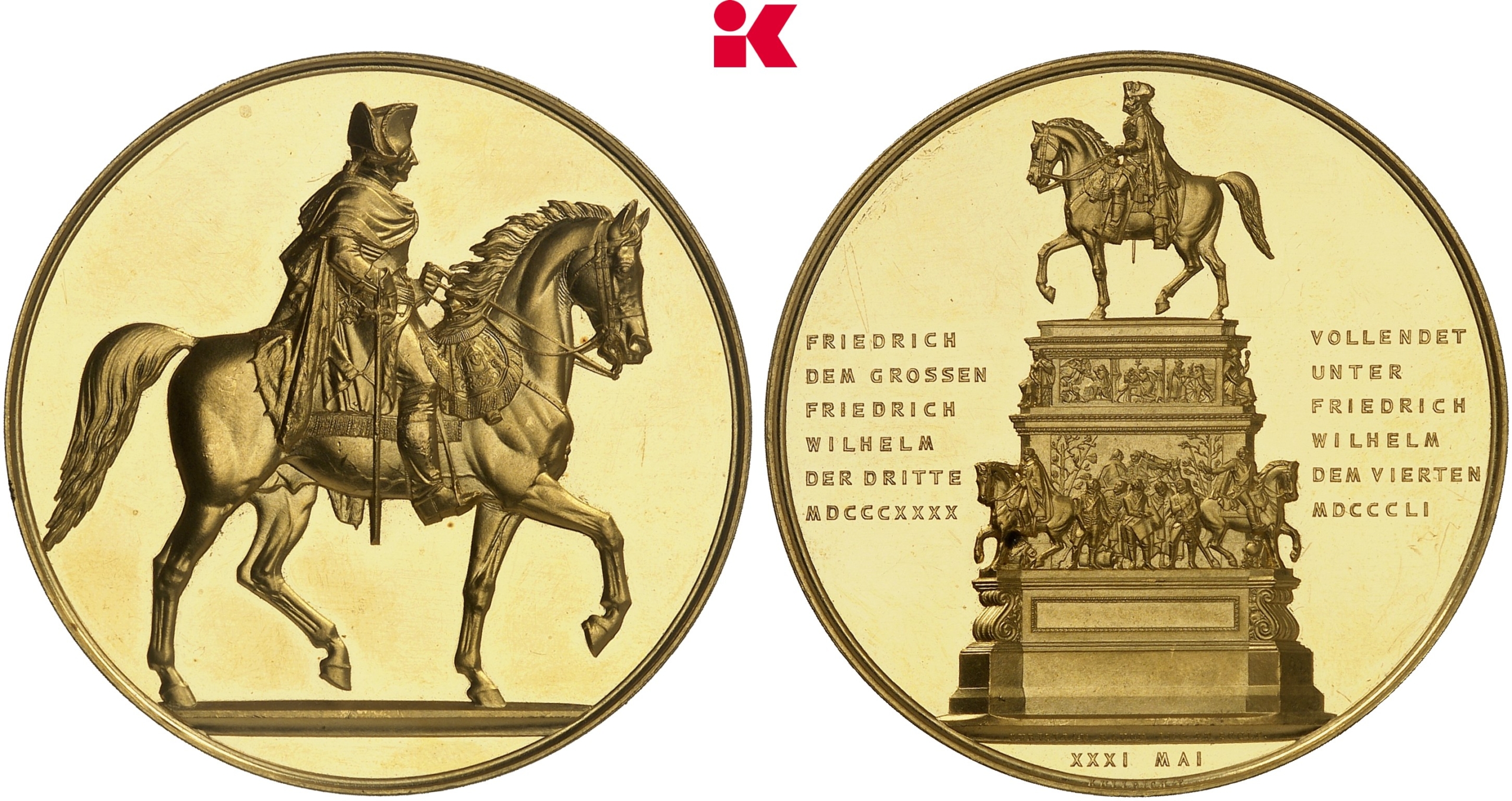
Gold medal in the weight of 50 ducats commemorating
the unveiling of the equestrian statue of
Frederick the Great on Unter den Linden in Berlin in 1851.
NGC MS 63 PL.
From the estate of Emperor William I.
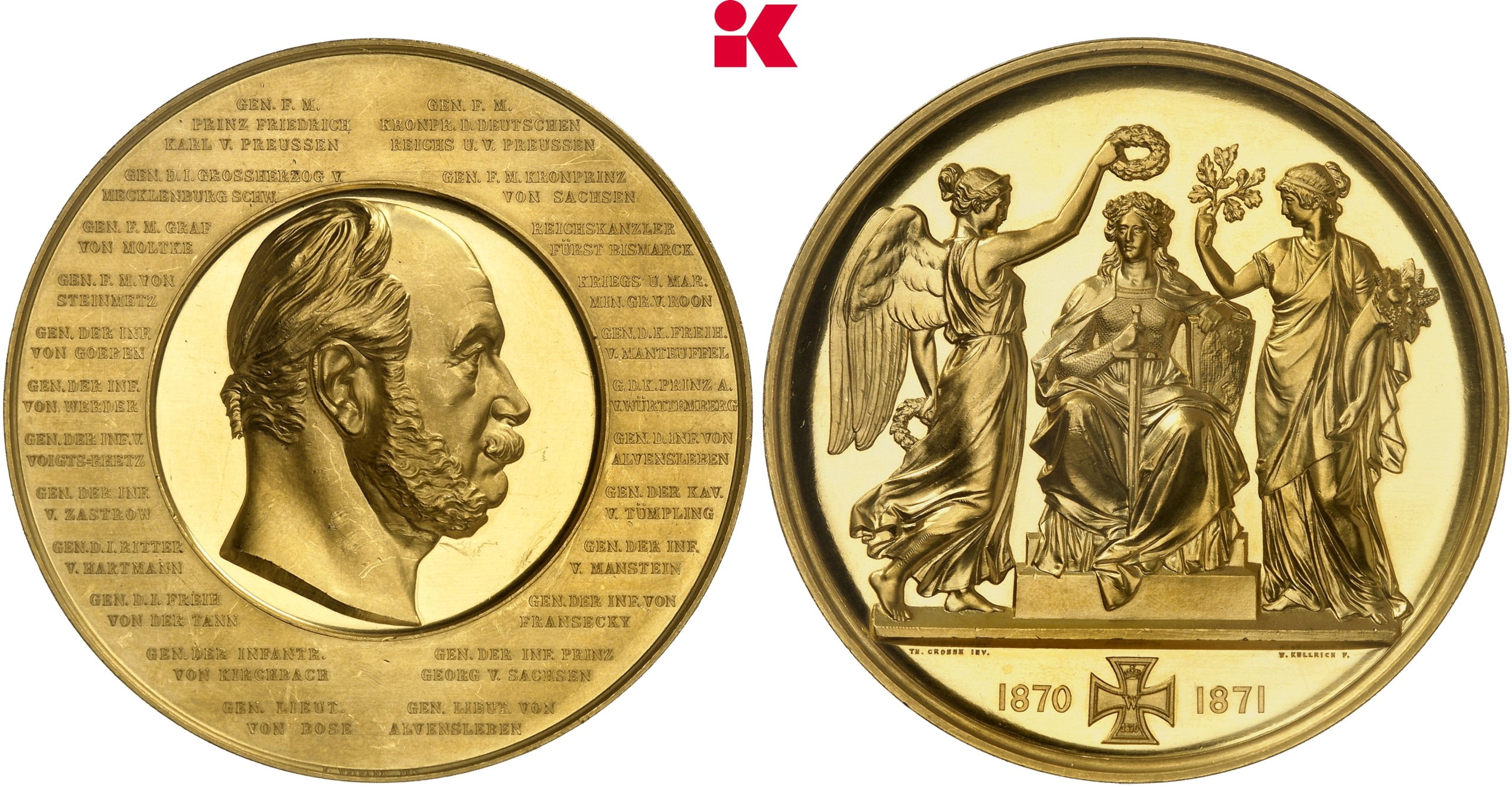
General’s Medal in the weight of 120 ducats, 1871,
commemorating the victory over France.
A magnificent specimen.
From the estate of Emperor William I.
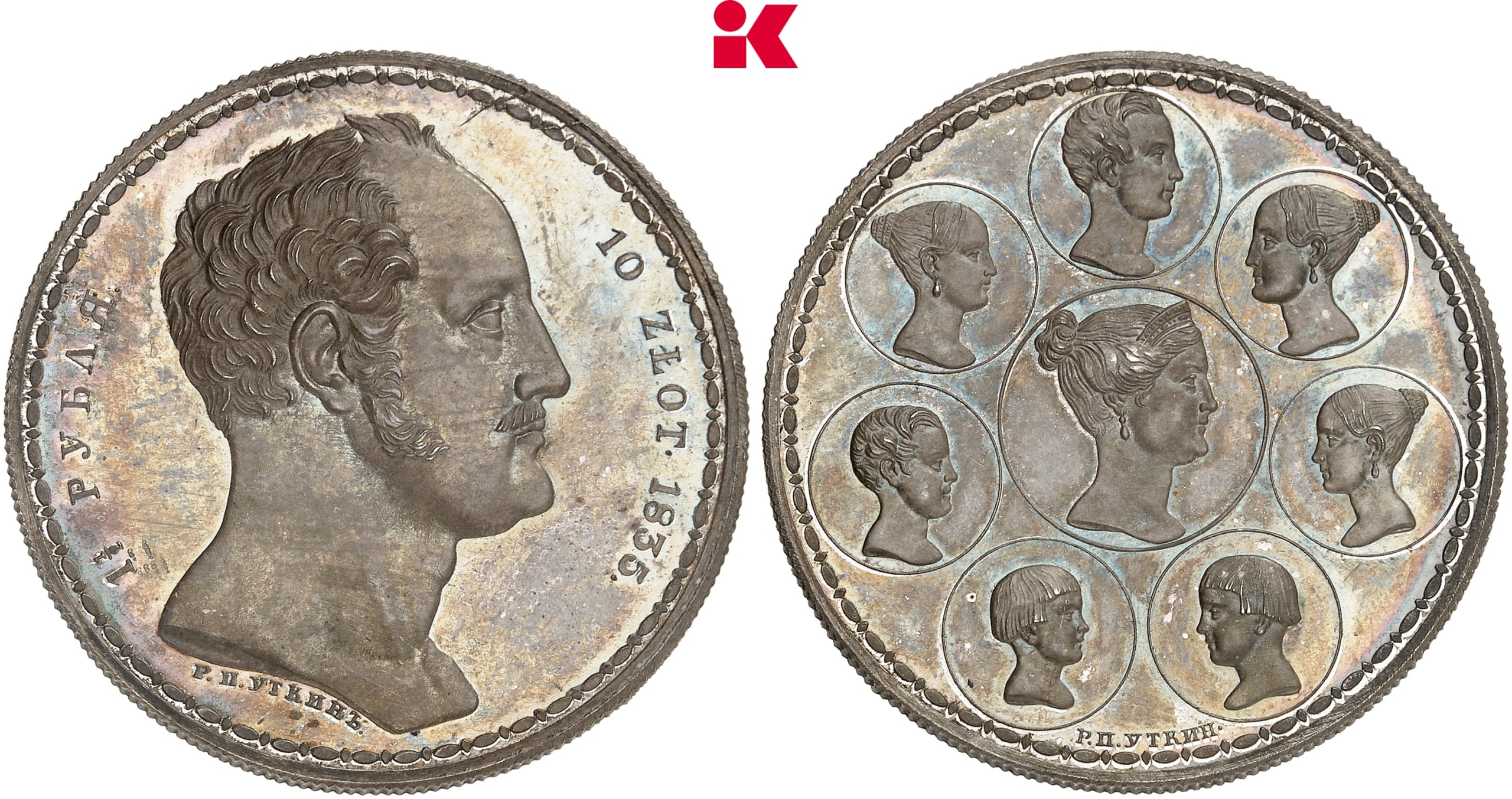
1 1/2 rubles (10 zlotys), 1835, St. Petersburg.
NGC MS 64 (Top Pop).
Only 36 examples struck.
A cabinet piece from polished dies.
From the estate of King Frederick William IV.
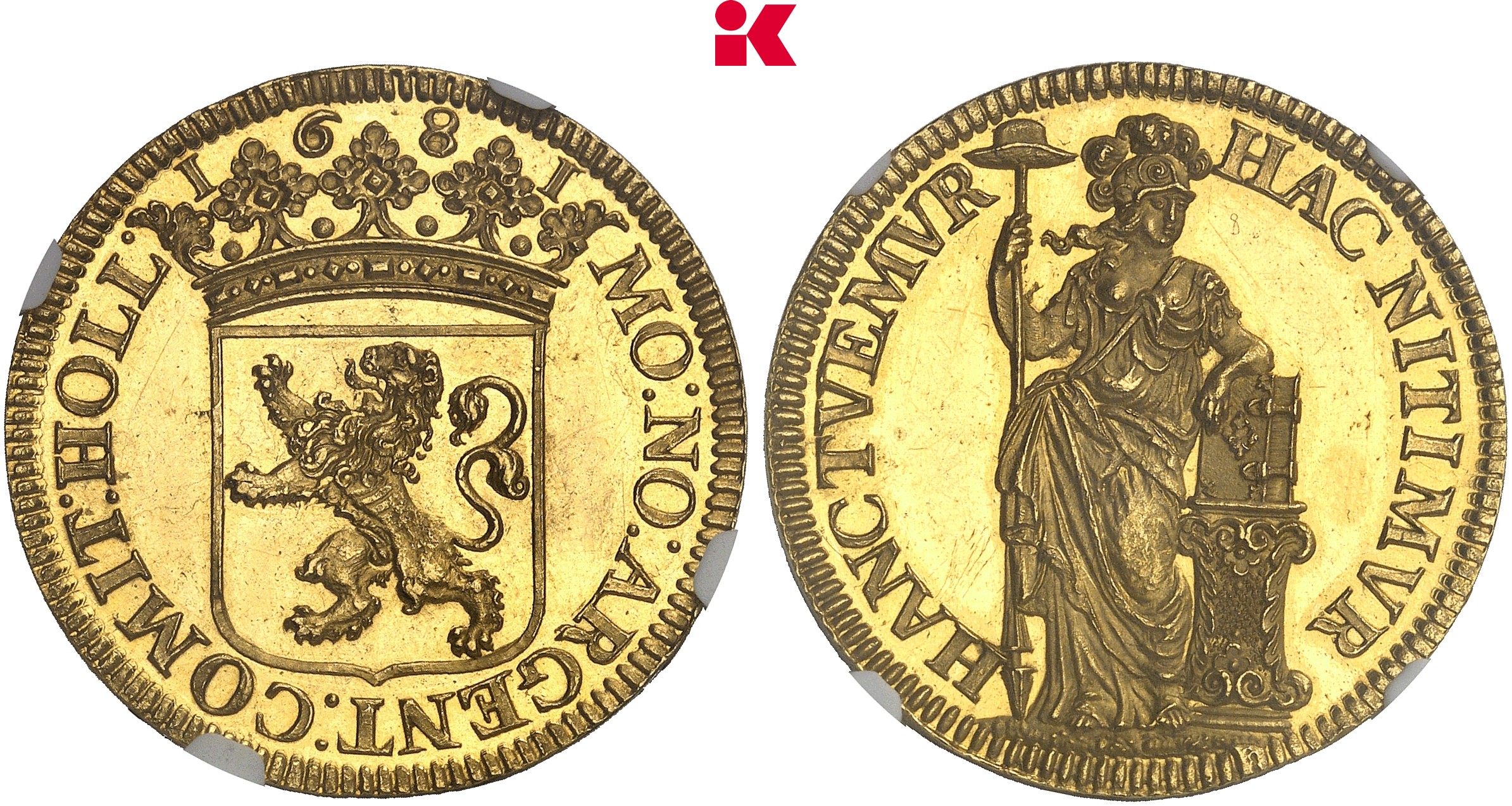
5 ducats, 1681.
Struck with the dies of a guilder.
NGC PF 64 Cameo.
Proof.
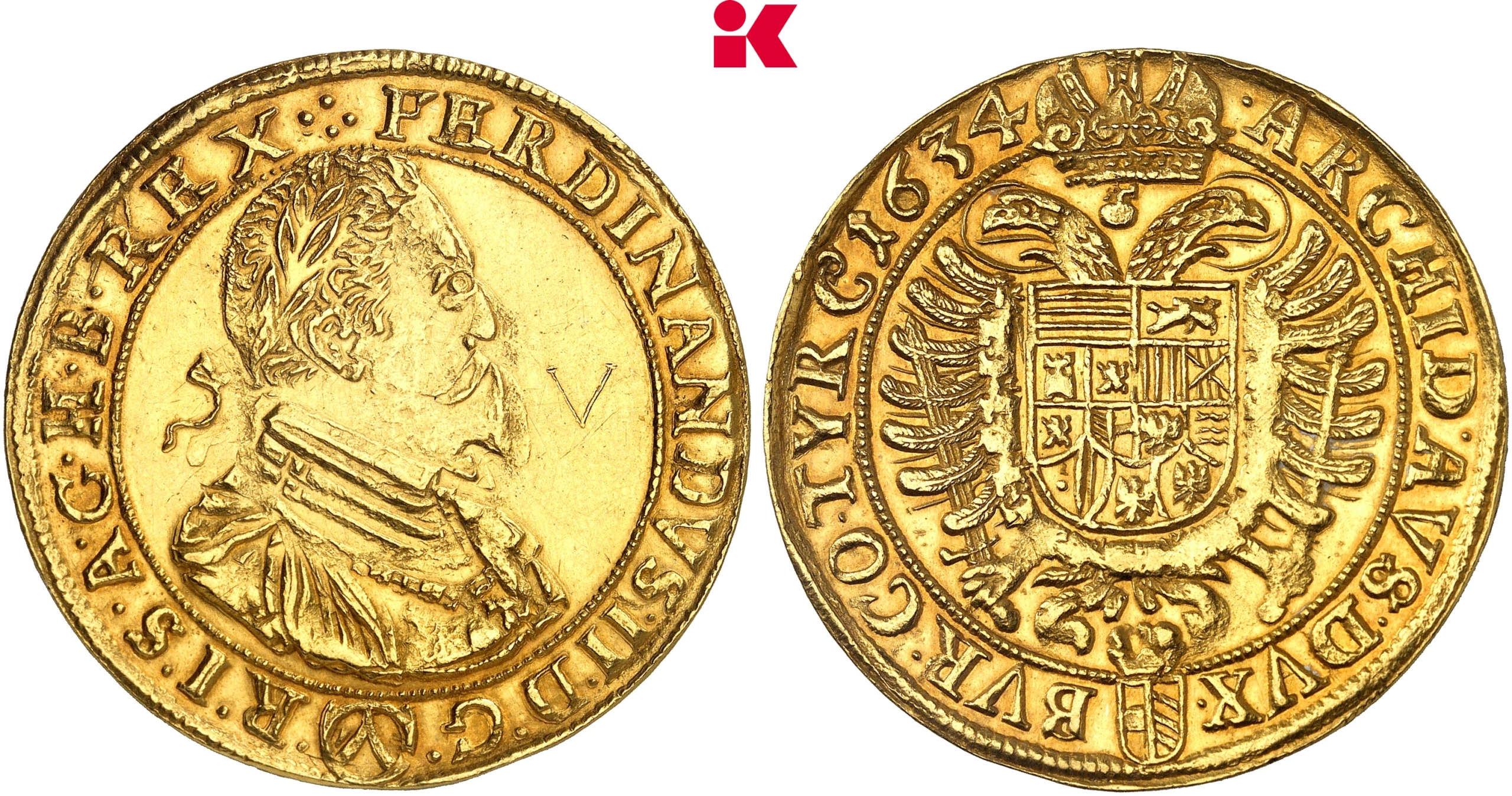
5 ducats, 1634, Vienna.
Extremely rare.
Extremely fine-uncirculated.
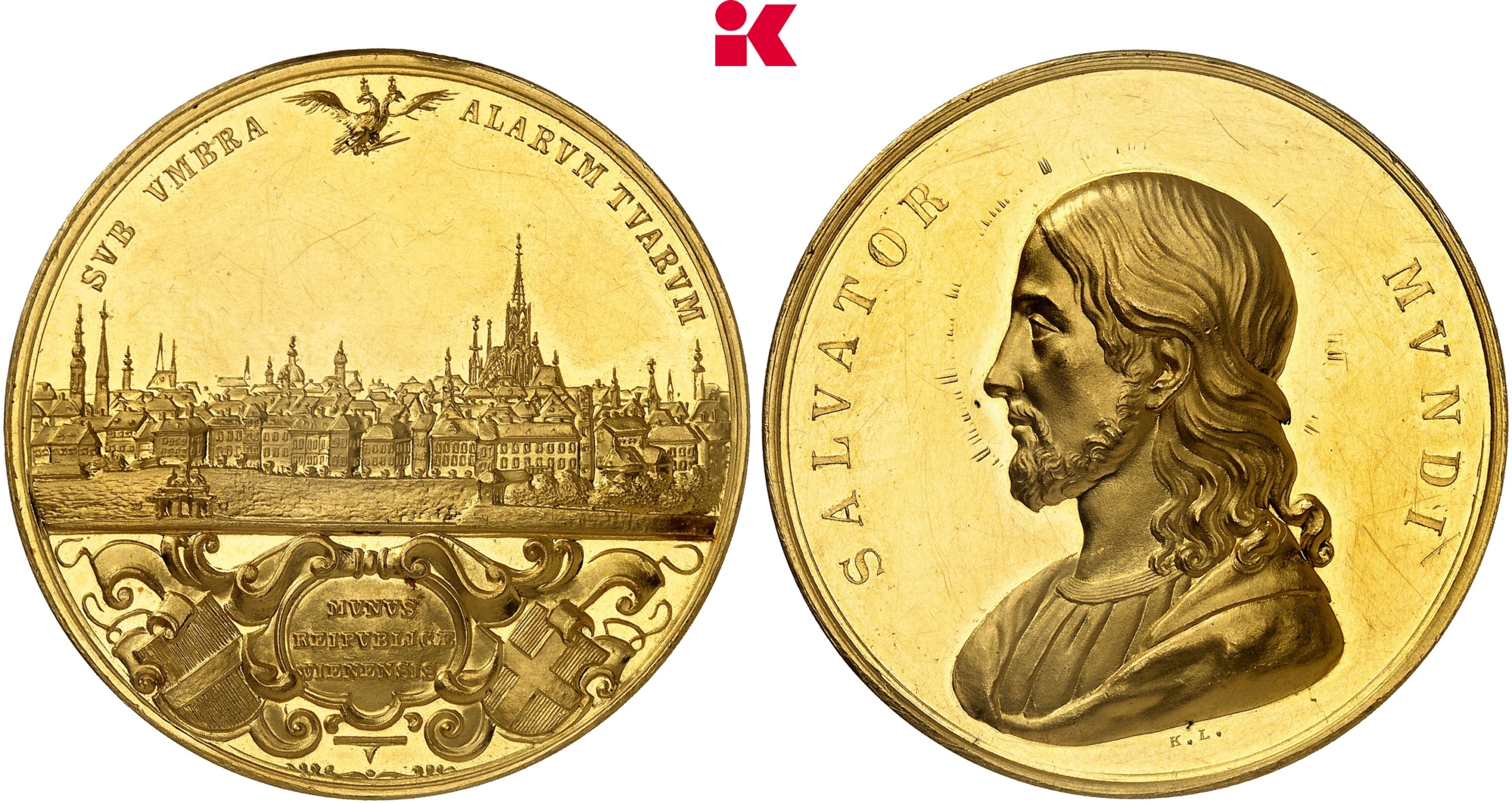
Salvator Medal in the weight of 12 ducats,
n. d.(around 1840).
NGC PF 61 CAMEO.
Proof.
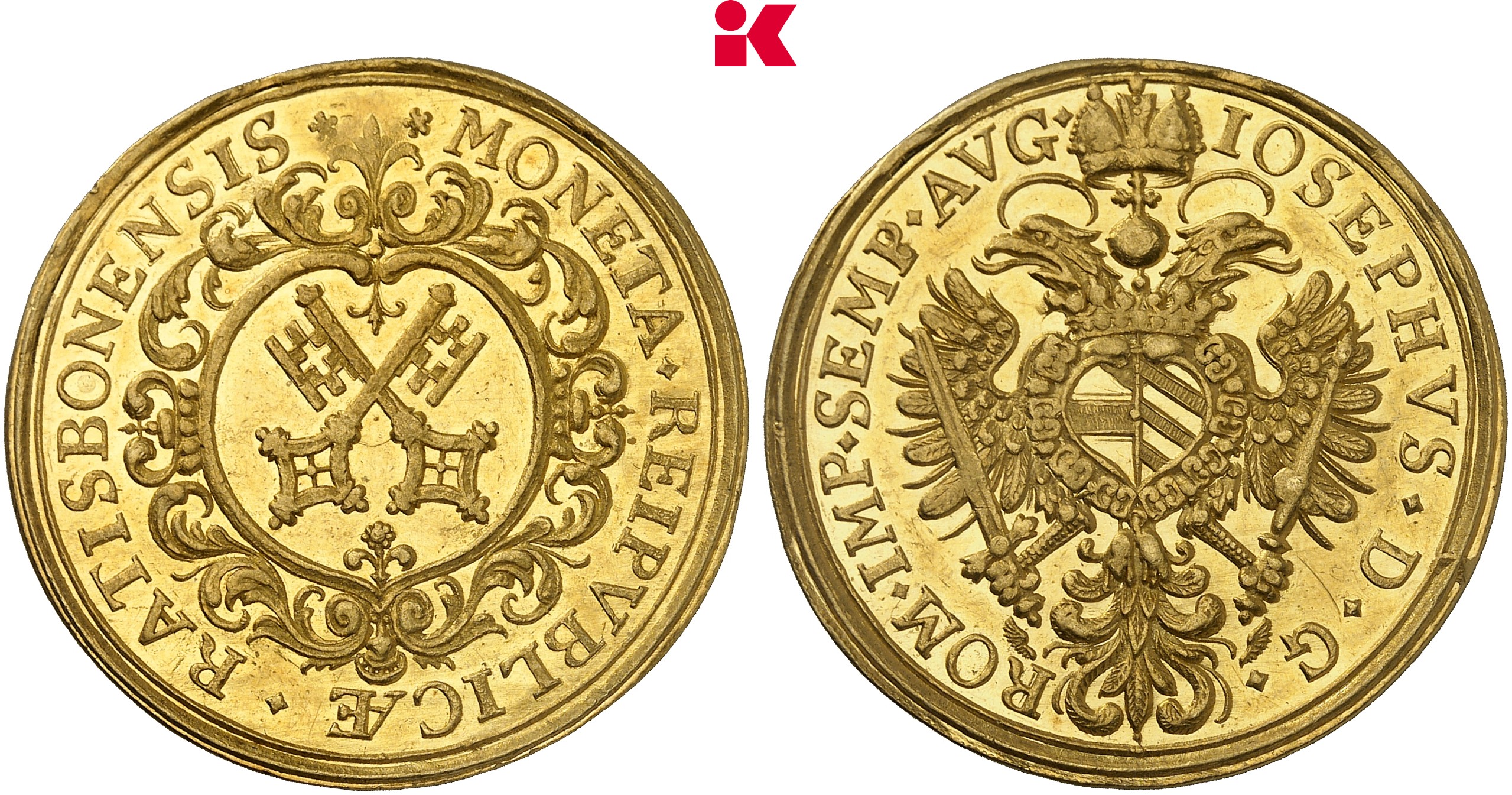
5 ducats, n. d. (1708–1710),
with the title of Joseph I. NGC MS 64.
Extremely rare. According to mint records,
only 7 copies struck.
A magnificent piece.
Archive: People and Markets
Highly Rare in Circulation: 2-Euro Commemorative Coins from San Marino
San Marino’s circulation coins are rare – even in the small Republic itself. And San Marino also issued just a few 2-euro commemorative coins. A real challenge for collectors. Fortunately, numiscontrol has some tips.
What to Do With a Million Pennies?
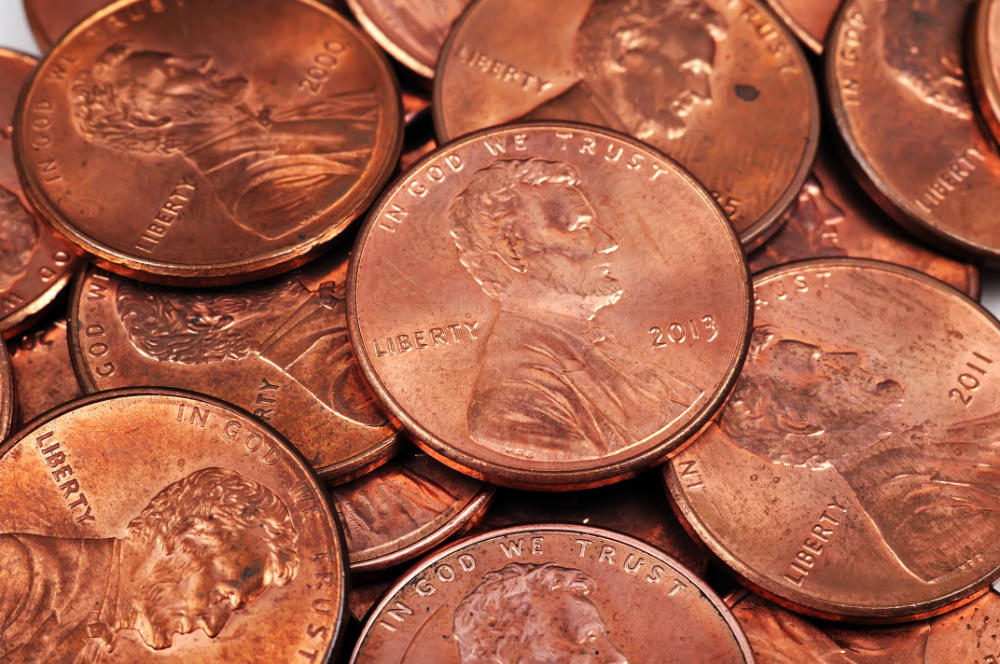
Imagine you are cleaning out the house of a late relative and find 1 million cent coins in the process. What would you do with them? This is what happened to a California family. Why had this huge amount of coins been amassed? And what could they be worth?
Archive: Coins, Medals and more
 https://new.coinsweekly.com/wp-content/uploads/2024/01/2024KW05HA_00.jpg
684
860
Ursula Kampmann
https://new.coinsweekly.com/wp-content/uploads/2023/01/logo-coinsweekly_590x204.png
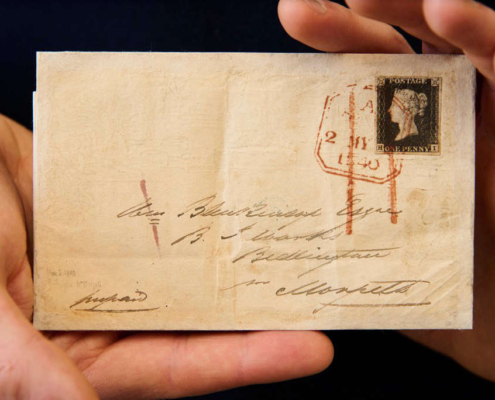
Ursula Kampmann2024-01-31 13:34:492024-01-31 13:34:49The First Piece of Mail Sent Using a Stamp to Be Offered at Sotheby’s
https://new.coinsweekly.com/wp-content/uploads/2024/01/2024KW05HA_00.jpg
684
860
Ursula Kampmann
https://new.coinsweekly.com/wp-content/uploads/2023/01/logo-coinsweekly_590x204.png
Ursula Kampmann2024-01-31 13:34:492024-01-31 13:34:49The First Piece of Mail Sent Using a Stamp to Be Offered at Sotheby’s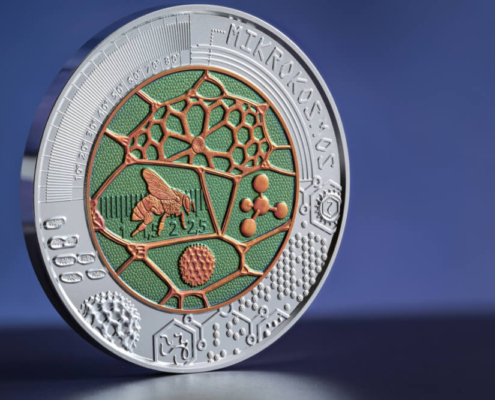 https://new.coinsweekly.com/wp-content/uploads/2023/06/00_shutterstock_1926678794-Kopie.jpg
667
1000
Bruno
https://new.coinsweekly.com/wp-content/uploads/2023/01/logo-coinsweekly_590x204.png
Bruno2022-06-13 11:36:162023-07-03 12:01:36Coloured Metal from Austria: Niobium Coins
https://new.coinsweekly.com/wp-content/uploads/2023/06/00_shutterstock_1926678794-Kopie.jpg
667
1000
Bruno
https://new.coinsweekly.com/wp-content/uploads/2023/01/logo-coinsweekly_590x204.png
Bruno2022-06-13 11:36:162023-07-03 12:01:36Coloured Metal from Austria: Niobium Coins
Caribbean Guilder: Joint Currency Introduced for Curaçao and Sint Maarten
The new currency replaces the Antillean Guilder, retains its value, and is pegged to the US dollar – with fresh designs inspired by the sea and local culture.
Cherrypickers’ Guide Sellout as a Sign of Strength for the Die-Variety Market?
A new edition of Cherrypickers’ Guide successfully debuted at the American Numismatic Association World’s Fair of Money in Pittsburgh. Whitman publisher Dennis Tucker explains the success of the new Cherrpickers’ Guide with a growing interest in die varieties. Some of his observations on the die-variety market.