






Archive: People and Markets
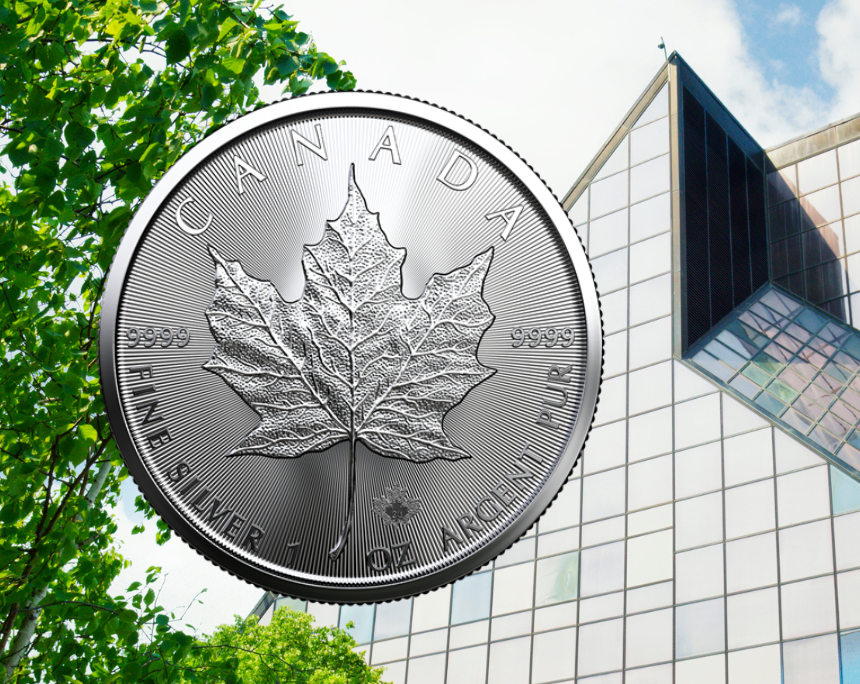
Royal Canadian Mint Reports First Quarter 2024 Financial Results
The Royal Canadian Mint has released its financial results for the year 2023 and the first quarter of 2024, offering insights into its activities, market influences, and expectations for the coming year.
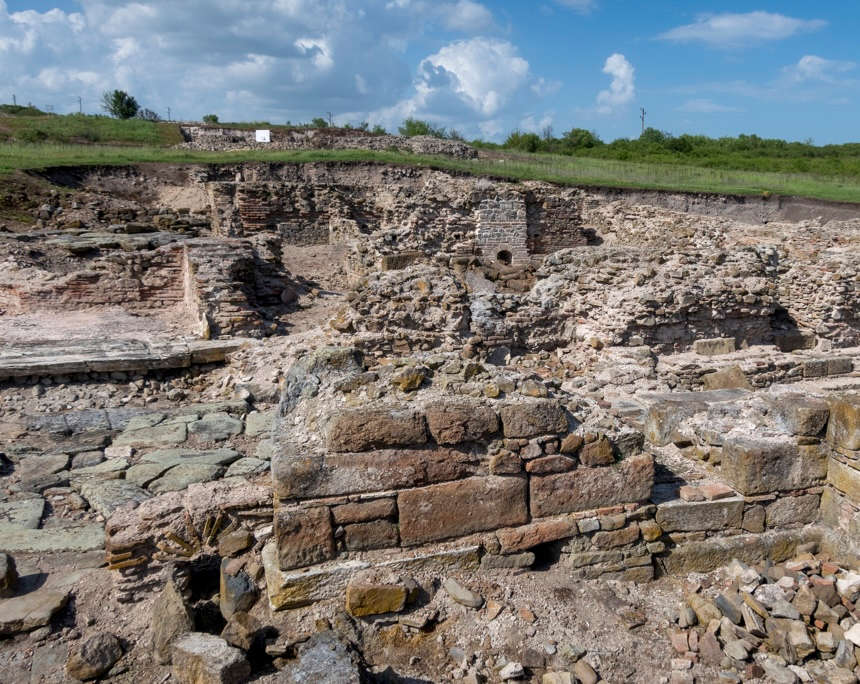
The Second Sofia Numismatic School
Students who wish to deepen their knowledge of ancient numismatics can now apply for the Sofia Numismatic School. It will take place in September 2025 at the Archaeological Research Base of the Roman Colony of Deultum (near Burgas).
Archive: Coins, Medals and more
 https://new.coinsweekly.com/wp-content/uploads/2024/03/00-2024KW13aHauptartikel_00.jpg
684
860
Sebastian Wieschowski
https://new.coinsweekly.com/wp-content/uploads/2023/01/logo-coinsweekly_590x204.png
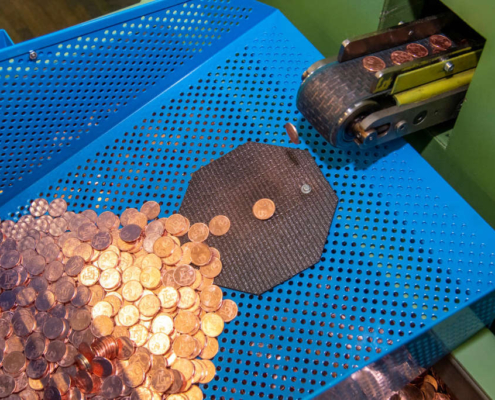
Sebastian Wieschowski2024-03-28 08:00:342024-03-28 10:58:28Croatia’s First Year as a Euro Country: A New Era for Coin Collectors and the Croatian Mint
https://new.coinsweekly.com/wp-content/uploads/2024/03/00-2024KW13aHauptartikel_00.jpg
684
860
Sebastian Wieschowski
https://new.coinsweekly.com/wp-content/uploads/2023/01/logo-coinsweekly_590x204.png
Sebastian Wieschowski2024-03-28 08:00:342024-03-28 10:58:28Croatia’s First Year as a Euro Country: A New Era for Coin Collectors and the Croatian Mint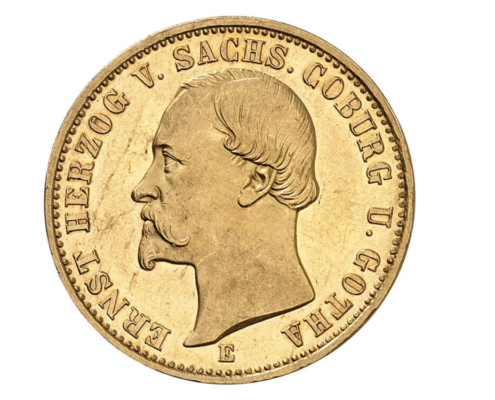 https://new.coinsweekly.com/wp-content/uploads/2023/05/2023KW21HA00.jpg
750
1000
Ursula Kampmann
https://new.coinsweekly.com/wp-content/uploads/2023/01/logo-coinsweekly_590x204.png
Ursula Kampmann2023-05-25 09:00:382023-06-27 11:24:32From Taler to Mark: The Long Road to a Common Currency
https://new.coinsweekly.com/wp-content/uploads/2023/05/2023KW21HA00.jpg
750
1000
Ursula Kampmann
https://new.coinsweekly.com/wp-content/uploads/2023/01/logo-coinsweekly_590x204.png
Ursula Kampmann2023-05-25 09:00:382023-06-27 11:24:32From Taler to Mark: The Long Road to a Common Currency
Medaljer Konstnärer – Medaillen und ihre Künstler – Medals and Their Artists
Roberto Delzanno presents his publication on five important Swedish medalists. The book of over 400 pages features texts in Swedish, German and English, as it aims to introduce Swedish medal art to the broader international collector community.
British Celtic Coins: Art or Imitation?
The peoples of pre-Roman Britain remain an enigma, and the same is true for their coins. Tim Wright wrote a new book on British Celtic Coins which will soon be published by Spink Books. Read his introduction on the topic here.