








Archive: People and Markets

CCG’s Mark Salzberg Announces Retirement
After nearly 40 years in the world of collectibles, Mark Salzberg has announced his retirement. His decisions as leader of Certified Collectibles Group have had much impact on numismatics.
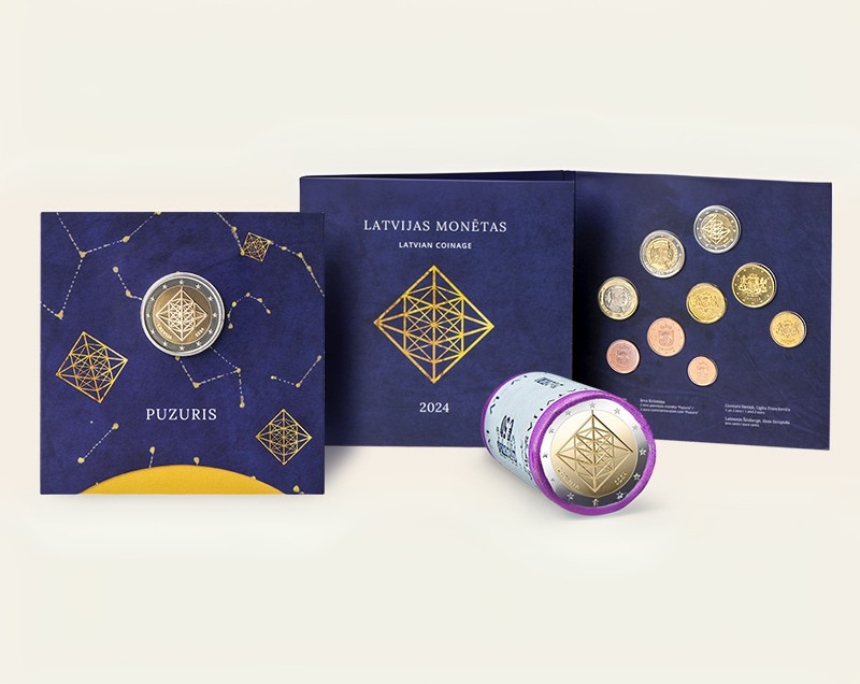
2-Euro-Ticker: New 2-Euro Coins in November
The year 2024 is drawing to a close, and collectors of 2-euro coins are eagerly awaiting the final releases among the 35 designs planned for this year. Meanwhile, a minor scandal surrounding the launch of a new 2-euro coin has caused quite a stir.
Archive: Coins, Medals and more
 https://new.coinsweekly.com/wp-content/uploads/2024/05/2024KW19HA_00.jpg
684
860
Ursula Kampmann
https://new.coinsweekly.com/wp-content/uploads/2023/01/logo-coinsweekly_590x204.png
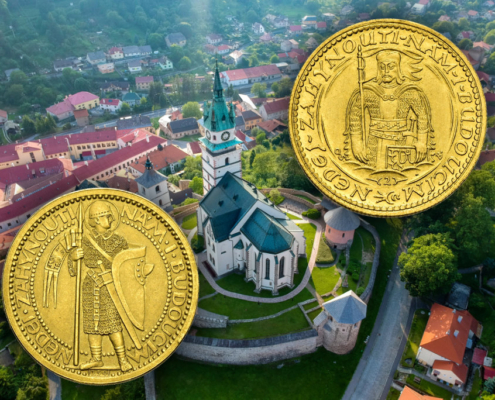
Ursula Kampmann2024-05-08 08:46:252024-05-08 08:46:25The First Years of Czechoslovak Coinage
https://new.coinsweekly.com/wp-content/uploads/2024/05/2024KW19HA_00.jpg
684
860
Ursula Kampmann
https://new.coinsweekly.com/wp-content/uploads/2023/01/logo-coinsweekly_590x204.png
Ursula Kampmann2024-05-08 08:46:252024-05-08 08:46:25The First Years of Czechoslovak Coinage https://new.coinsweekly.com/wp-content/uploads/2023/08/2023KW34HA_00.jpg
684
860
Bruno
https://new.coinsweekly.com/wp-content/uploads/2023/01/logo-coinsweekly_590x204.png
Bruno2023-08-23 10:16:152023-08-23 10:16:15French History in Coins – Part 2: From the Second Republic to the Second Empire
https://new.coinsweekly.com/wp-content/uploads/2023/08/2023KW34HA_00.jpg
684
860
Bruno
https://new.coinsweekly.com/wp-content/uploads/2023/01/logo-coinsweekly_590x204.png
Bruno2023-08-23 10:16:152023-08-23 10:16:15French History in Coins – Part 2: From the Second Republic to the Second Empire
Medieval Coin Hoard Found in the Black Forest
In Southwest Germany, a significant medieval coin hoard was recently discovered, consisting of ca. 1,600 coins from the period around 1320 AD. The coin hoard is said to be the largest one found in South Baden in 75 years.
Lithuania Effectively Abolishes One- and Two-Cent Coins – and Sparks a New Debate
Farewell to small change: another eurozone country is saying goodbye to the smallest cent coins. In Germany, the debate is also gaining momentum – whereas Austria remains relaxed and is observing developments.