






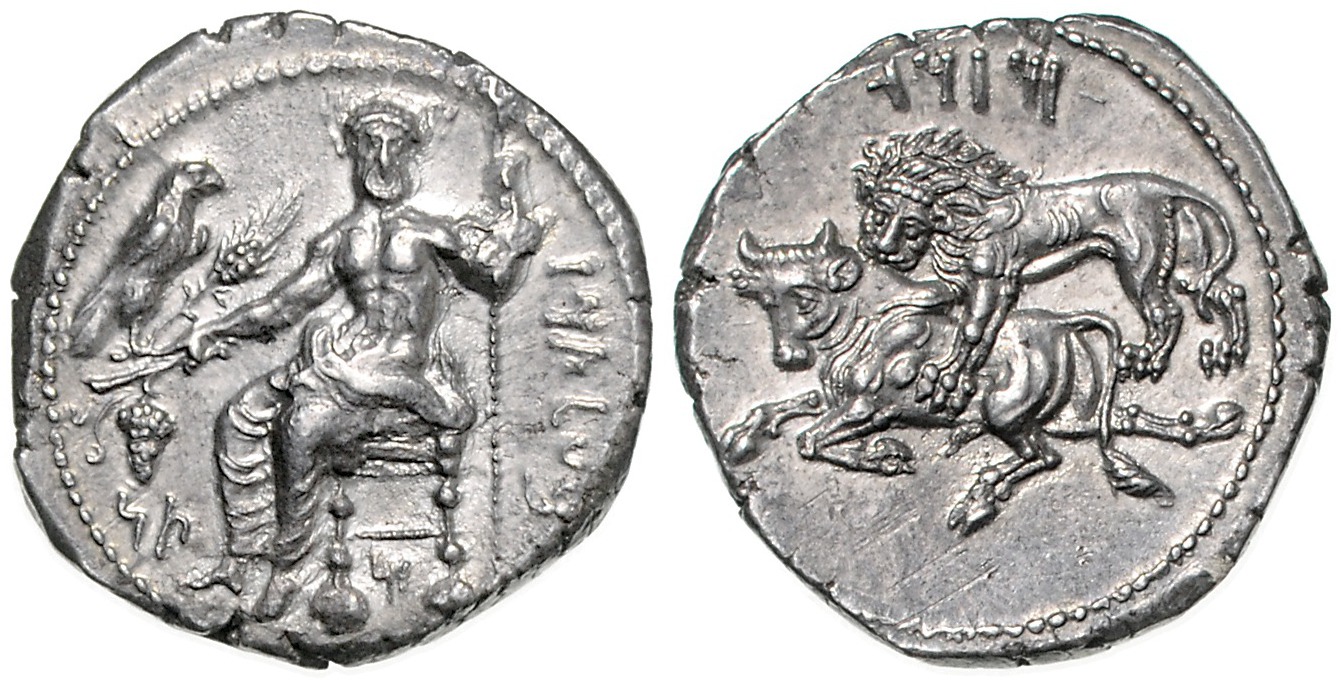
Persian satrap Mazzaios.
AR Stater (361-334 BC)
with Baal of Tarsus.
Condition: ef.
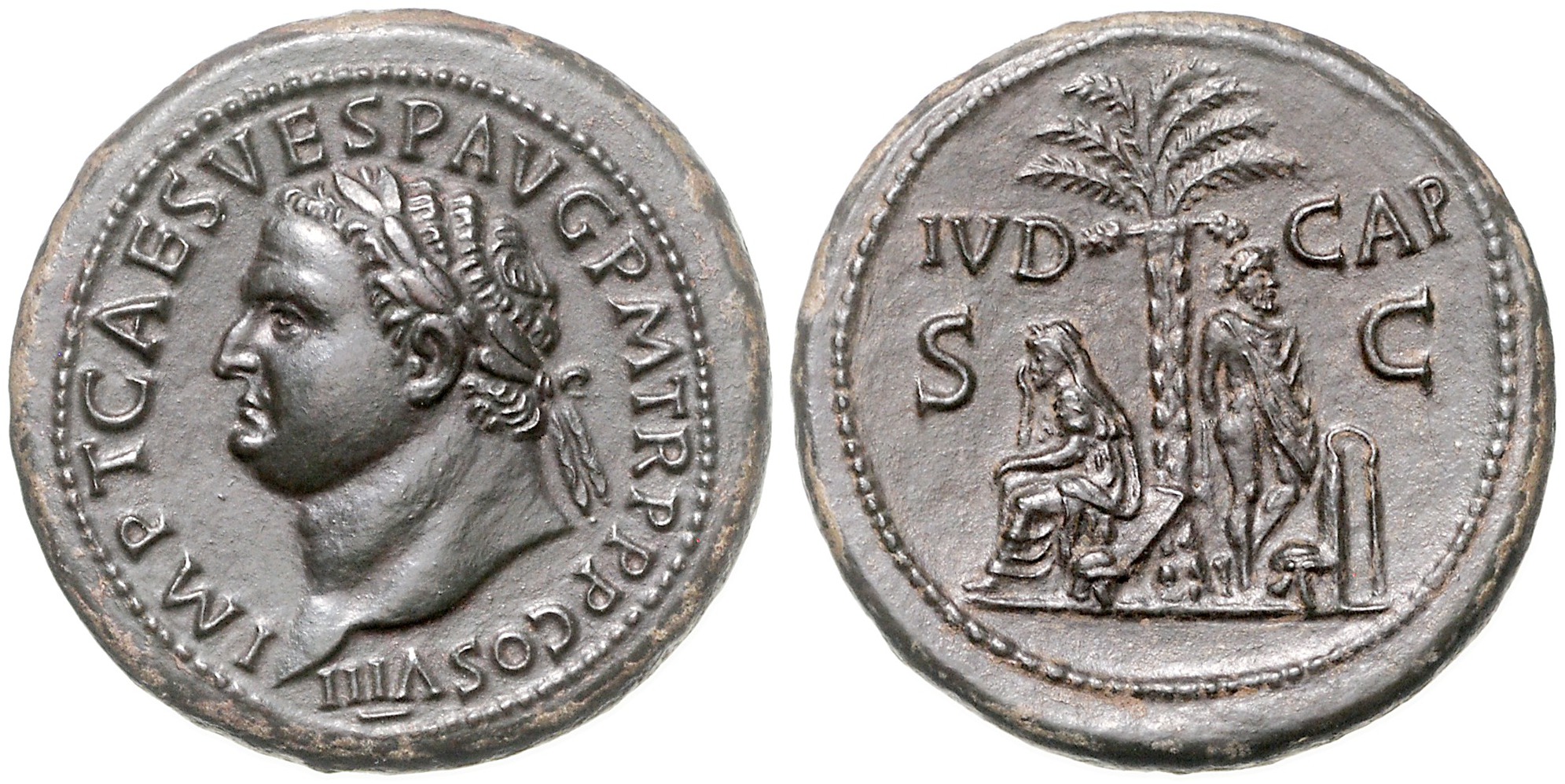
AE Sestertius (AD 80–81), Rome.
"Judaea Capta" type.
Condition: rare, ef.
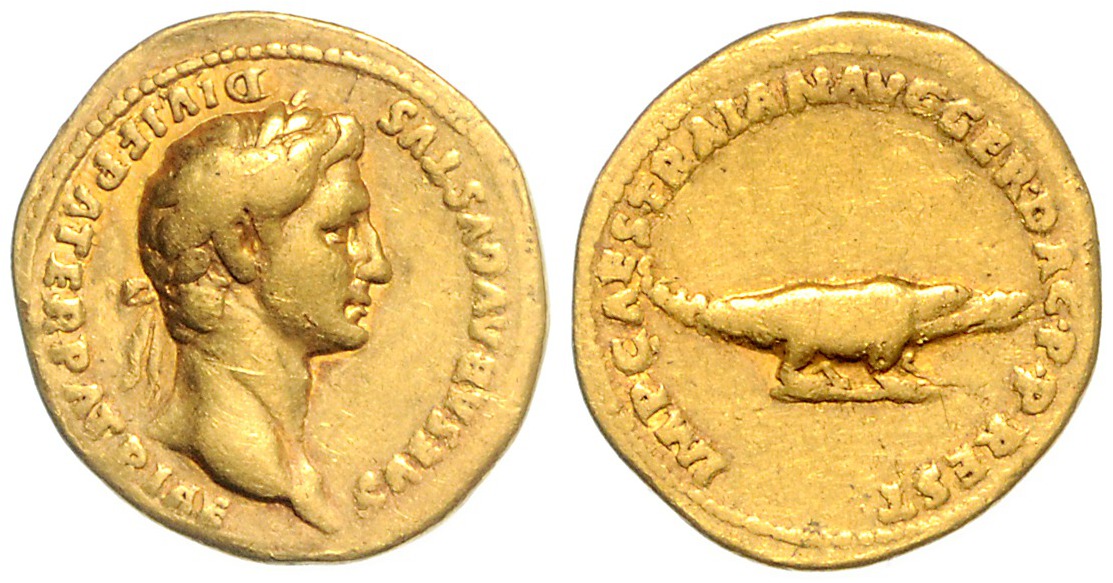
AV Aureus (AD 107–113), Rome.
Restitution issue honoring Augustus.
Condition: extremely rare, near vf.
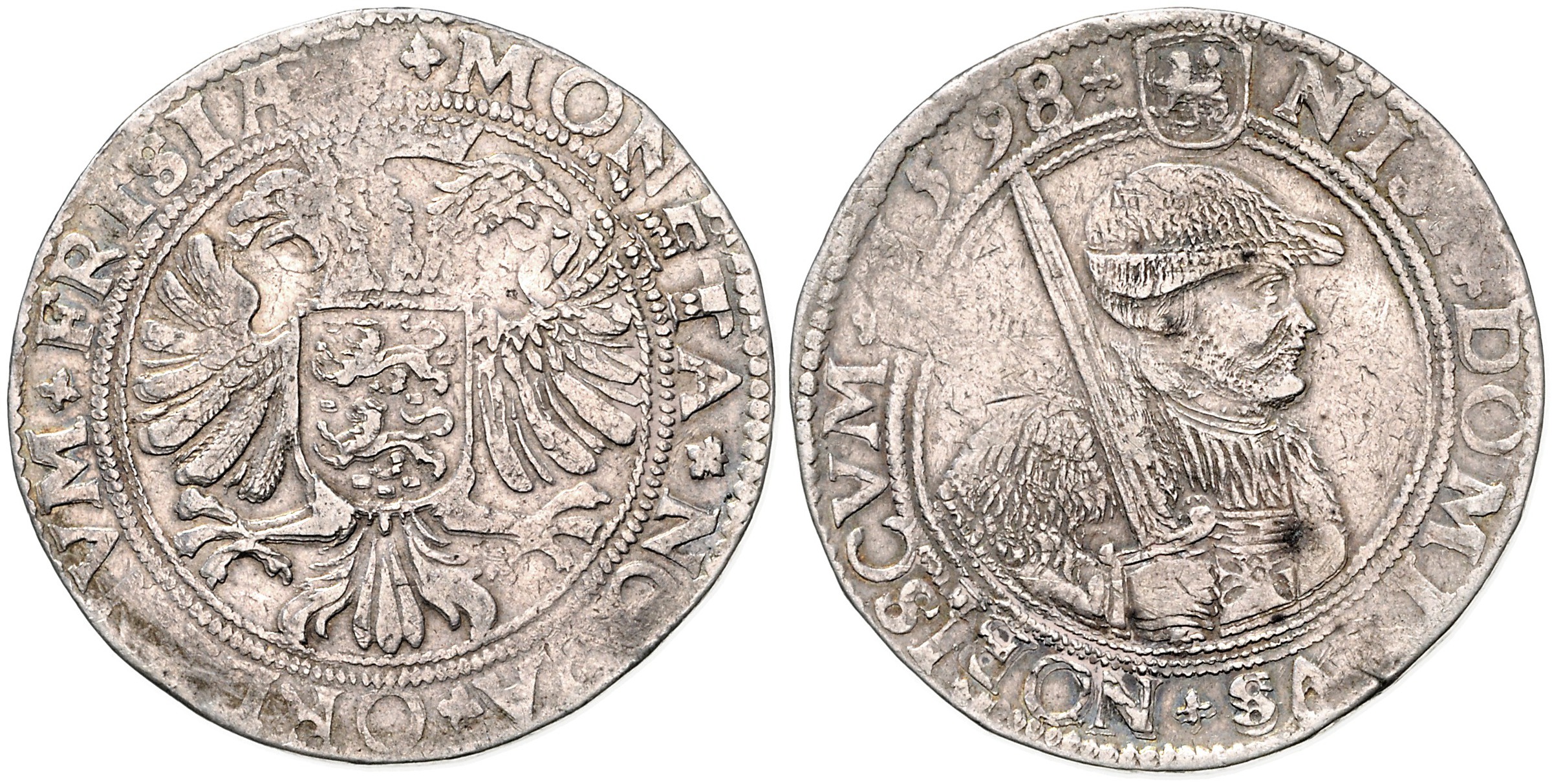
Arendsrijksdaalder (Eagle Rixdollar), 1598.
Condition: very rare, vf.
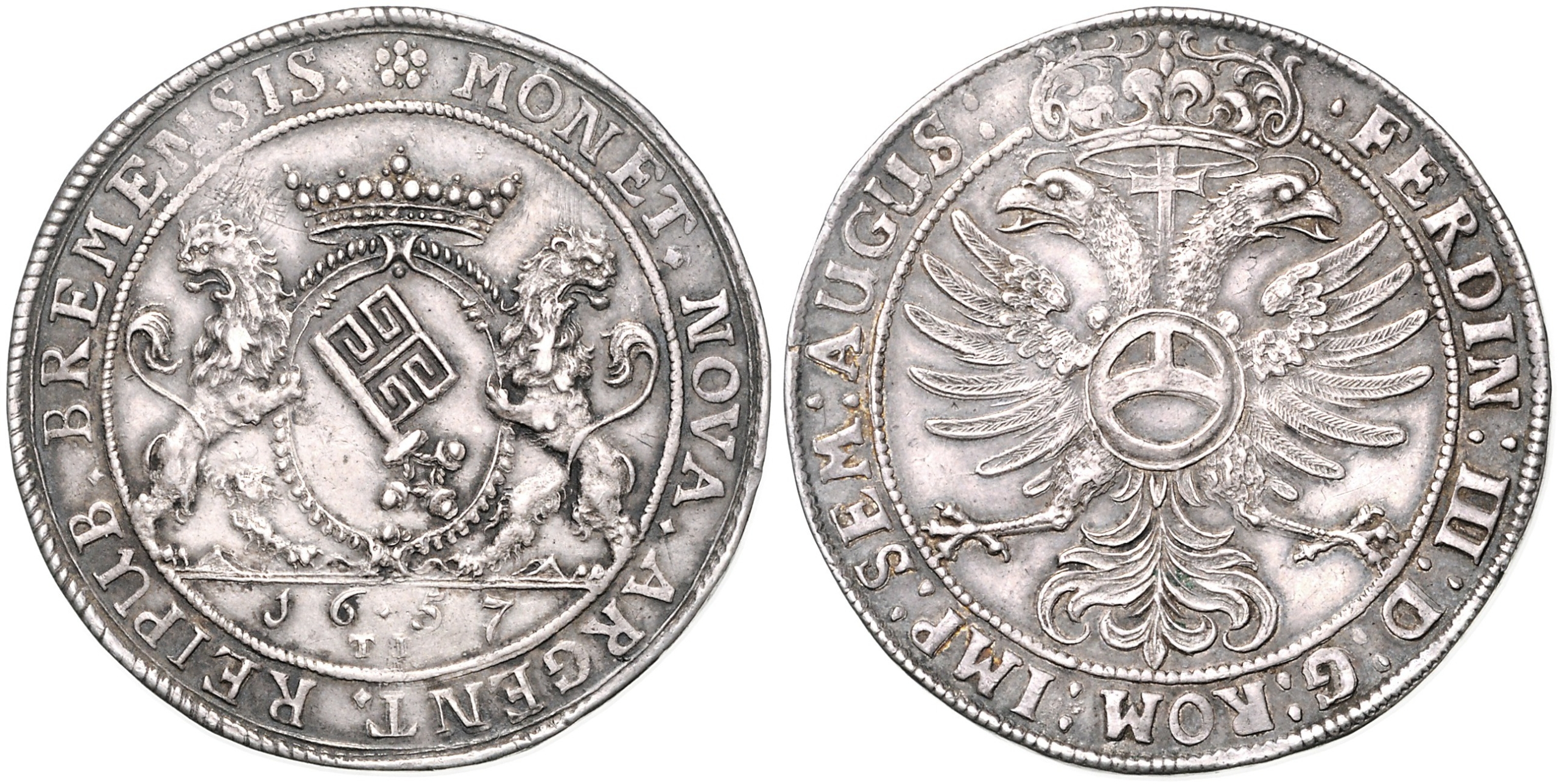
Thaler, 1657.
Bearing the title of Ferdinand III.
Condition: near ef/ef.
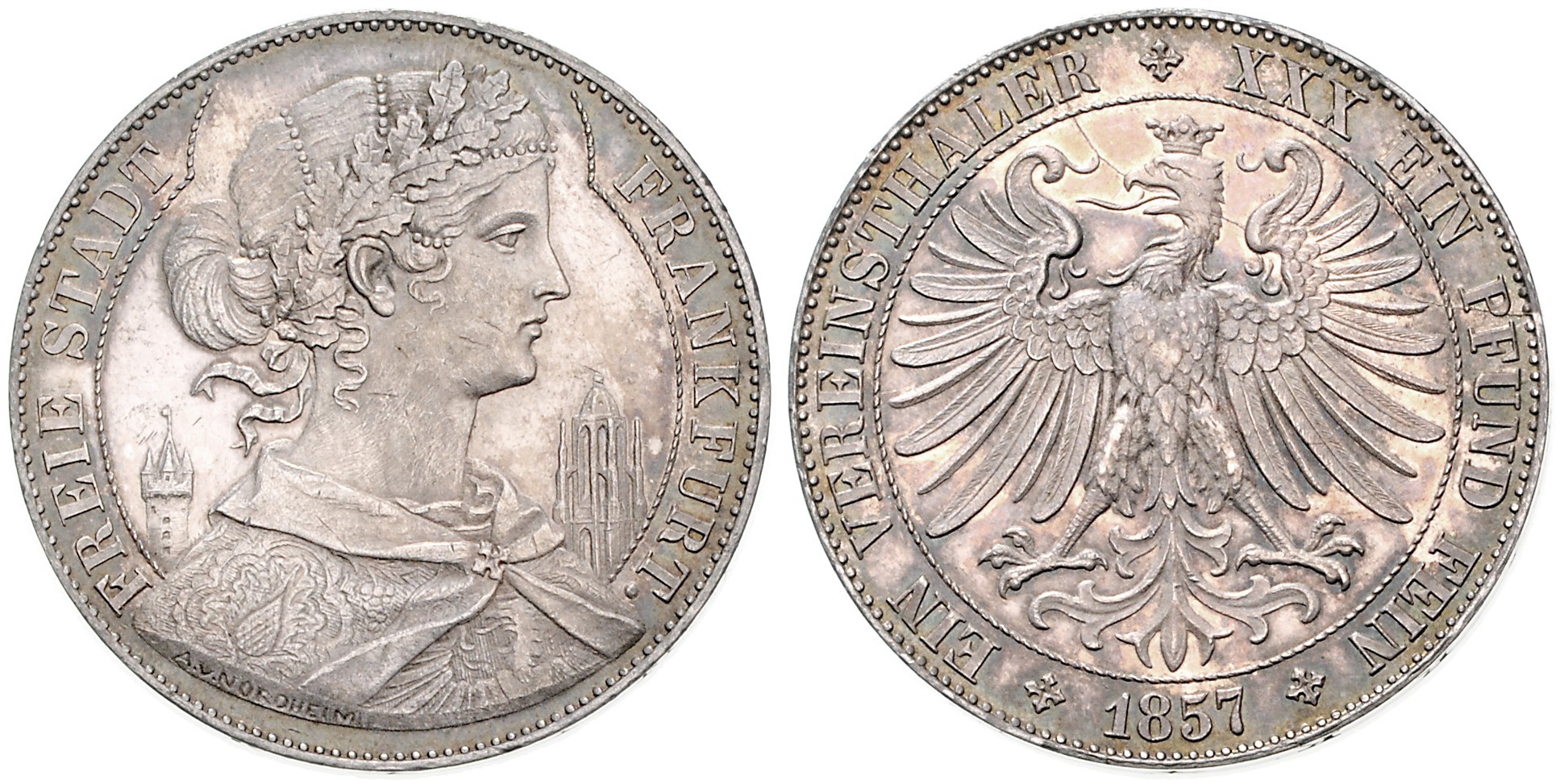
Vereinstaler 1857.
Condition: attr. piece, first strike.
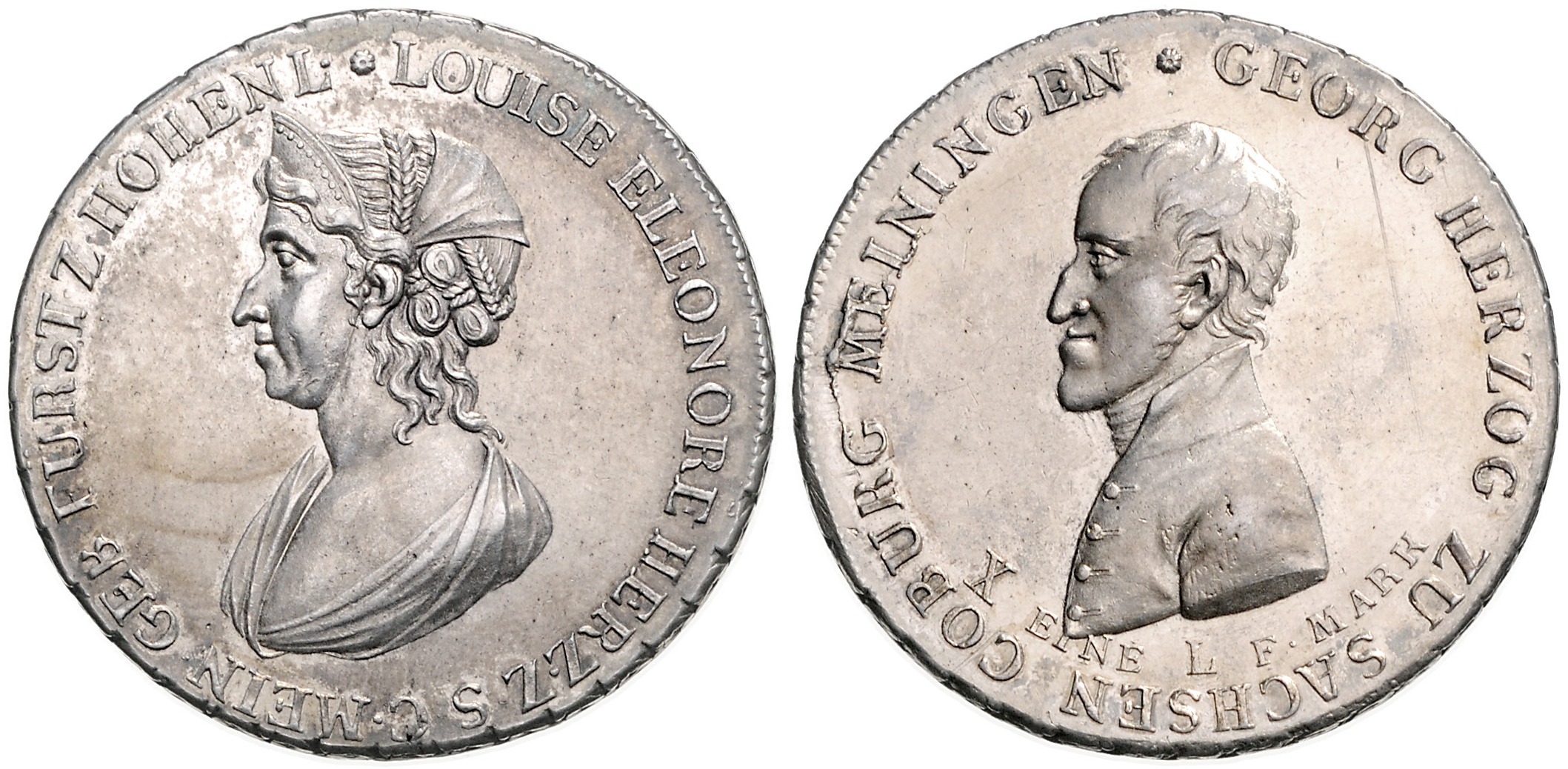
Convention thaler, n.d. (after 1803),
issued on the death of Duke Georg.
Condition: extremely rare, unc.
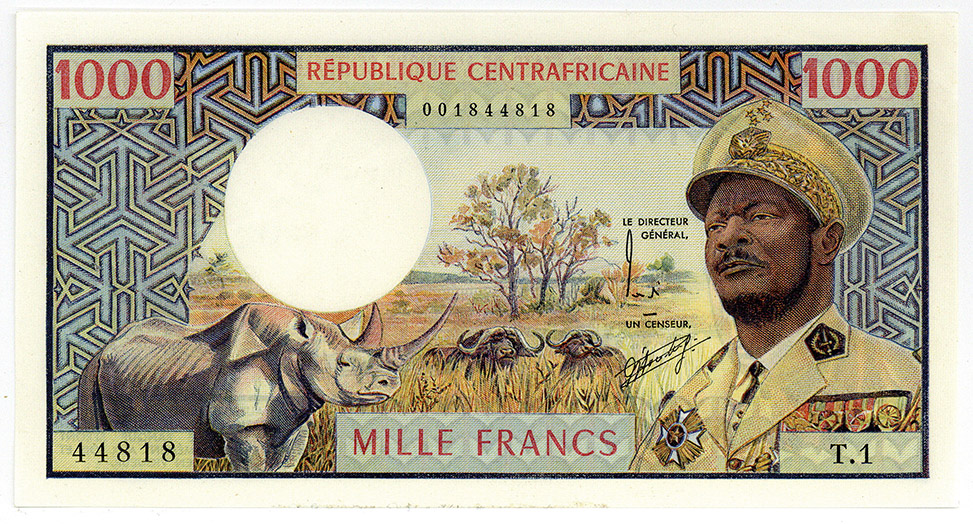
Banque des États de l'Afrique Centrale,
1000 francs 1974.
Condition: I-.
Archive: People and Markets

Rich and Poor in Early Tudor England
The Met Cloisters takes you into a merchant’s house in 16th-century England. Why did a rich man exhibit images of the poor? Intriguing objects tell us about tastes and self-expression. And you can expect coins to be there too!
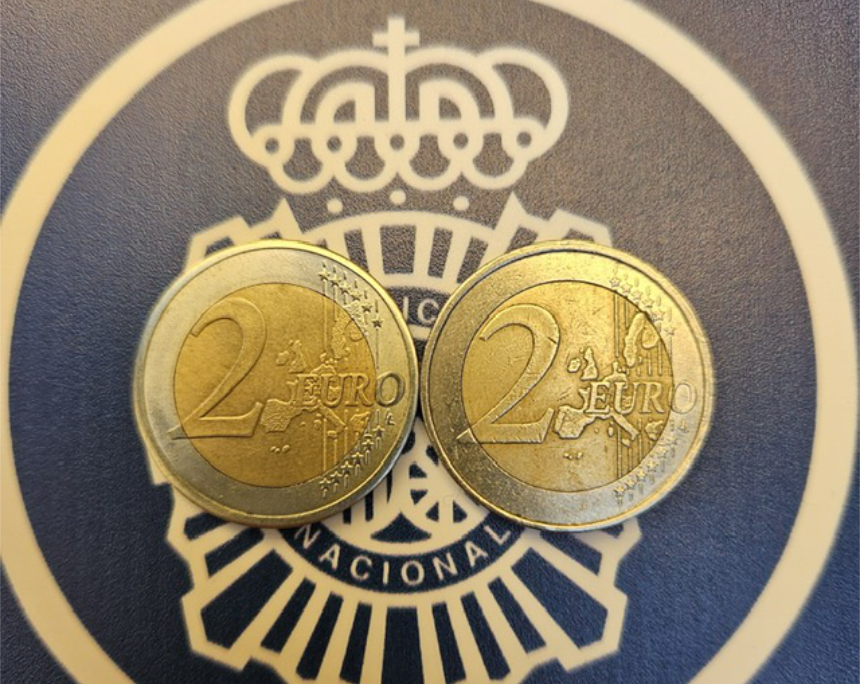
Counterfeiters of Hundreds of Thousands of Euro Coins Arrested
A large-scale counterfeiting workshop has been raided in Spain. The culprits put half a million fake 2-euro coins in circulation throughout Europe. Read on to find out how the perpetrators evaded the police for years and how you can identify the counterfeits.
Archive: Coins, Medals and more
 https://new.coinsweekly.com/wp-content/uploads/2024/03/2024KW12HA_00.jpg
684
860
Ursula Kampmann
https://new.coinsweekly.com/wp-content/uploads/2023/01/logo-coinsweekly_590x204.png
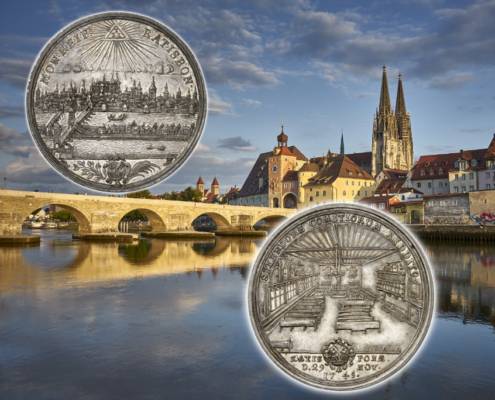
Ursula Kampmann2024-03-14 11:47:492024-03-14 11:57:08Regensburg: Where the Emperor and the Empire Met
 https://new.coinsweekly.com/wp-content/uploads/2024/03/2024KW12bHA_00.jpg
684
860
Ursula Kampmann
https://new.coinsweekly.com/wp-content/uploads/2023/01/logo-coinsweekly_590x204.png
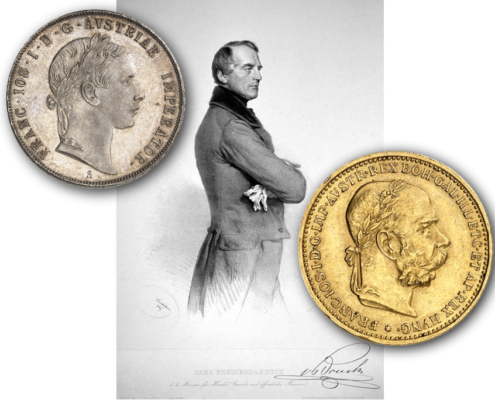
Ursula Kampmann2024-03-21 08:00:102024-03-21 08:09:54A War Fought with Unusual Weapons: How Prussia Used Finance and Politics to Force the Habsburg Hereditary Lands Out of the German Confederation
World Money Fair 2024: Thousands of Numismatics Enthusiasts at the World’s Largest Coin Fair
Once a year, the vast and diverse coin world comes together for a kind of oversized family reunion: the World Money Fair. Due to the new organization, many things were different, but others felt comfortably familiar. We were also present in Berlin again, this time even with our own booth.
The Mint of Finland is Dead, Long Live the Helsinki Mint
September brought bad news for the numismatic world: the Mint of Finland, once a prolific producer of circulation coins for numerous euro countries, announced it would cease operations. Many questions have since remained unanswered – but one key point is now clear: the future of Finnish coin production has been decided.