








Archive: People and Markets
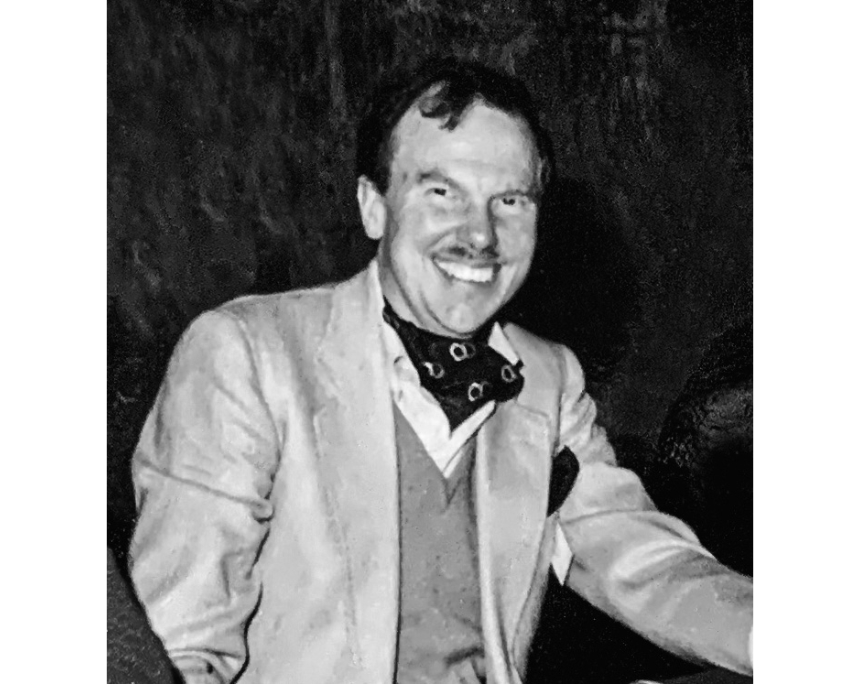
Bernt Ahlström (1936-2019)
You will hardly find a dealer in the numismatic world who is completely unfamiliar with the name Bernt Ahlstrom. On the occasion of the sale of his numismatic library at Gut-Lynt, Arne Kirsch recounts the eventful life of the coin dealer and bon vivant.

Joe Cribb is the 2023 Derek Allen Prize Winner
Joe Cribb is a well-known specialist in the monetary history of Asia. For his outstanding contribution to the discipline of numismatics, the British numismatist has been awarded the 2023 Derek Allen Prize by the British Academy.
Archive: Coins, Medals and more
 https://new.coinsweekly.com/wp-content/uploads/2023/06/00ab.jpg
486
1000
Bruno
https://new.coinsweekly.com/wp-content/uploads/2023/01/logo-coinsweekly_590x204.png
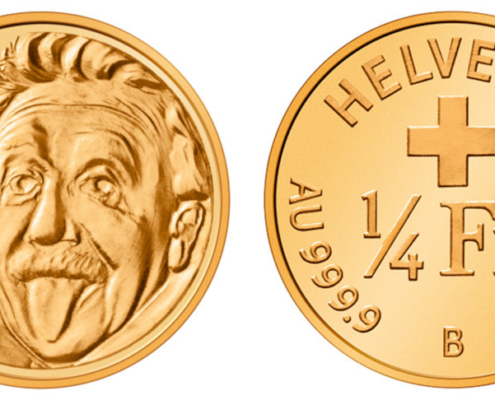
Bruno2022-06-13 13:27:592023-06-29 11:34:06Swissmint, a Mint of Records
https://new.coinsweekly.com/wp-content/uploads/2023/06/00ab.jpg
486
1000
Bruno
https://new.coinsweekly.com/wp-content/uploads/2023/01/logo-coinsweekly_590x204.png
Bruno2022-06-13 13:27:592023-06-29 11:34:06Swissmint, a Mint of Records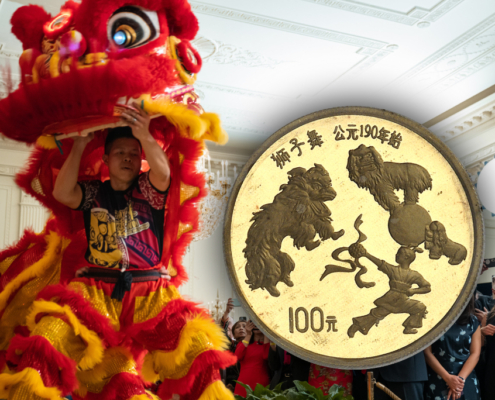 https://new.coinsweekly.com/wp-content/uploads/2024/05/2024KW18HA_00.jpg
684
860
Ursula Kampmann
https://new.coinsweekly.com/wp-content/uploads/2023/01/logo-coinsweekly_590x204.png
Ursula Kampmann2024-05-02 10:35:242024-05-02 10:35:24100 Yuan Lion Dance 1995: One of the Rarest Chinese Coins of Our Age
https://new.coinsweekly.com/wp-content/uploads/2024/05/2024KW18HA_00.jpg
684
860
Ursula Kampmann
https://new.coinsweekly.com/wp-content/uploads/2023/01/logo-coinsweekly_590x204.png
Ursula Kampmann2024-05-02 10:35:242024-05-02 10:35:24100 Yuan Lion Dance 1995: One of the Rarest Chinese Coins of Our Age
Swissmint Becomes First eCommerce Partner on Coiniverse
The numismatic smartphone application, founded by the mint of Finland and turned into an independent start-up, aims to become a marketplace for mints and coin dealers around the world.
Sack & Kiesselbach at the World Money Fair
What does it mean for a technical supplier of the minting industry to set up a booth at the World Money Fair? Markus Schlein, CEO of Sack & Kiesselbach, explains how he prepares for the event and how he experiences the WMF.