






Archive: People and Markets

How the Romans Made Counterfeits
Counterfeits have been around in ancient Roman times, too – usually, they were cast from a copper-tin alloy. Researchers at the University of Tübingen examined the counterfeiting process and reconstructed it experimentally. A video documents their experiment.
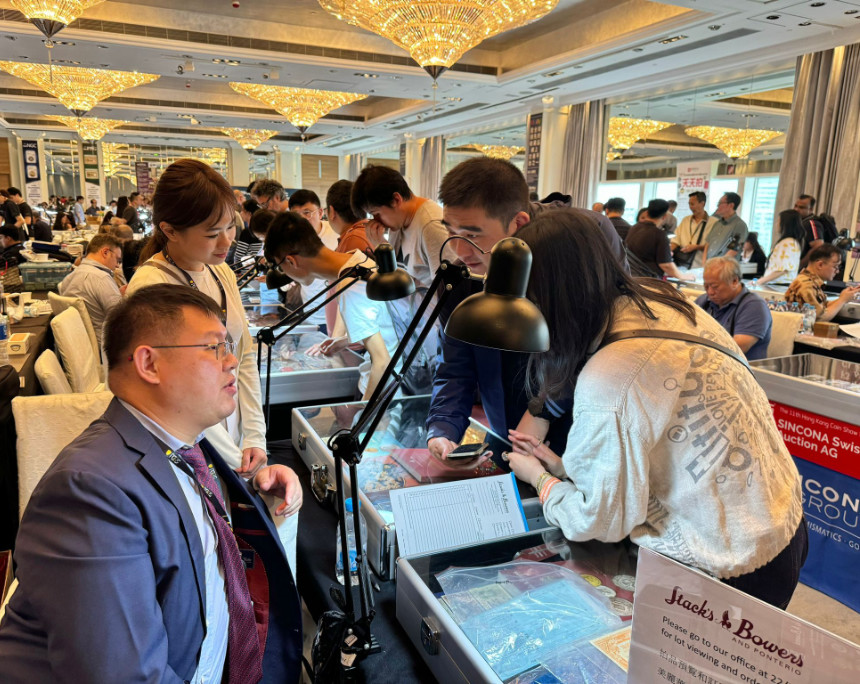
The 12th Hong Kong Coin Show (HKCS)
The 12th Hong Kong Coin Show (HKCS) will take place from Friday, 4th April to Sunday, 6th April. You can expect exhibitors from over 50 countries, auctions, educational seminars, exhibitions, on-site coin grading services and much more – in short: a festival of numismatics!
Archive: Coins, Medals and more
 https://new.coinsweekly.com/wp-content/uploads/2025/01/2025KW03HA_00.jpg
684
860
Sebastian Wieschowski
https://new.coinsweekly.com/wp-content/uploads/2023/01/logo-coinsweekly_590x204.png
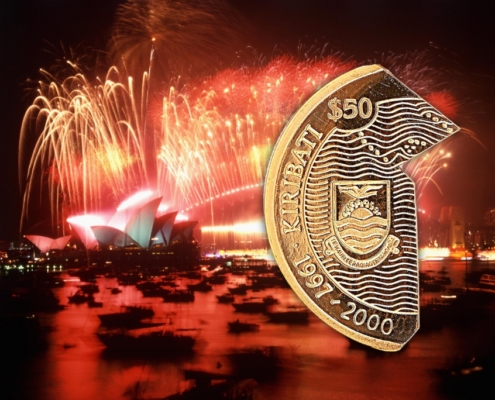
Sebastian Wieschowski2025-01-16 07:00:032025-01-16 16:55:4925 Years Ago: Millennium Coins and the Dawn of a New Era
https://new.coinsweekly.com/wp-content/uploads/2025/01/2025KW03HA_00.jpg
684
860
Sebastian Wieschowski
https://new.coinsweekly.com/wp-content/uploads/2023/01/logo-coinsweekly_590x204.png
Sebastian Wieschowski2025-01-16 07:00:032025-01-16 16:55:4925 Years Ago: Millennium Coins and the Dawn of a New Era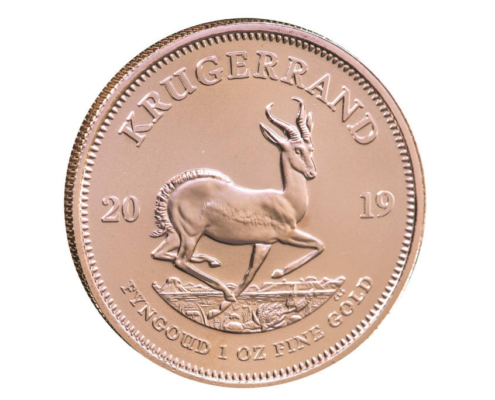 https://new.coinsweekly.com/wp-content/uploads/2025/04/2025KW16HA03_00.jpg
684
860
Lucie Loechel
https://new.coinsweekly.com/wp-content/uploads/2023/01/logo-coinsweekly_590x204.png
Lucie Loechel2025-04-17 08:26:292025-04-17 11:49:37The Birth of the Krugerrand
https://new.coinsweekly.com/wp-content/uploads/2025/04/2025KW16HA03_00.jpg
684
860
Lucie Loechel
https://new.coinsweekly.com/wp-content/uploads/2023/01/logo-coinsweekly_590x204.png
Lucie Loechel2025-04-17 08:26:292025-04-17 11:49:37The Birth of the Krugerrand
Looking Forward to 2027: the Website of the International Numismatic Congress Is Online
We still have to be patient a little longer until the XVII International Numismatic Congress takes place in Frankfurt in 2027. The website is now online and provides early information about the event.
9th International Symposium in Early Medieval Coinage 2024
The 9th International Symposium in Early Medieval Coinage will be held in April 2024. The symposium is a great opportunity for specialists, collectors and detectorists to meet – and of course to give a talk.