






Archive: People and Markets
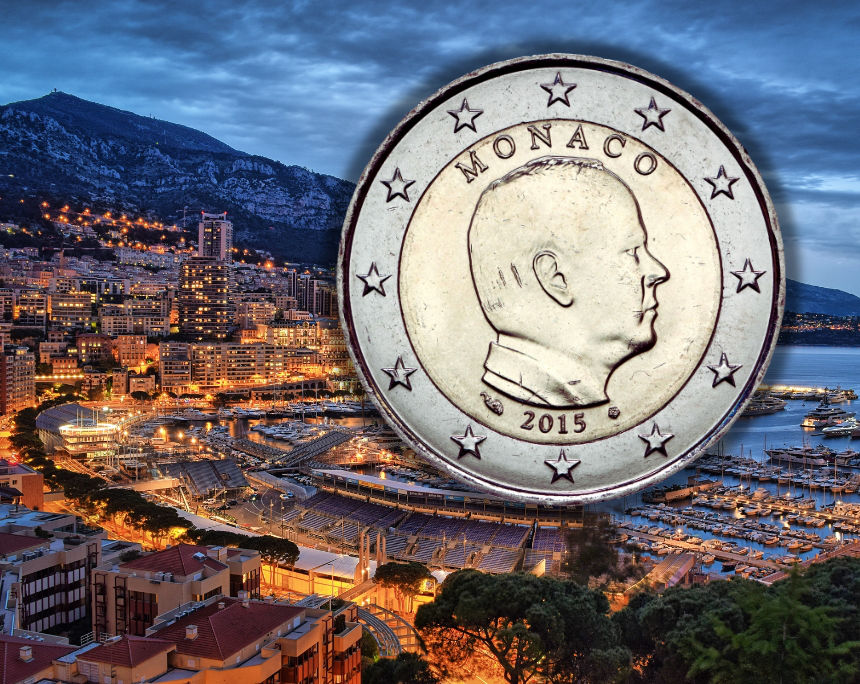
New Museum Management in Monaco: A Year Full of Surprises for Euro Collectors?
At first glance, it is “only” a piece of news on a new museum director – but the change at the top of the “Musée des Timbres et des Monnaies de Monaco” could herald a new era in the coin issuance policy of the Principality, which could spark discussions among collectors.
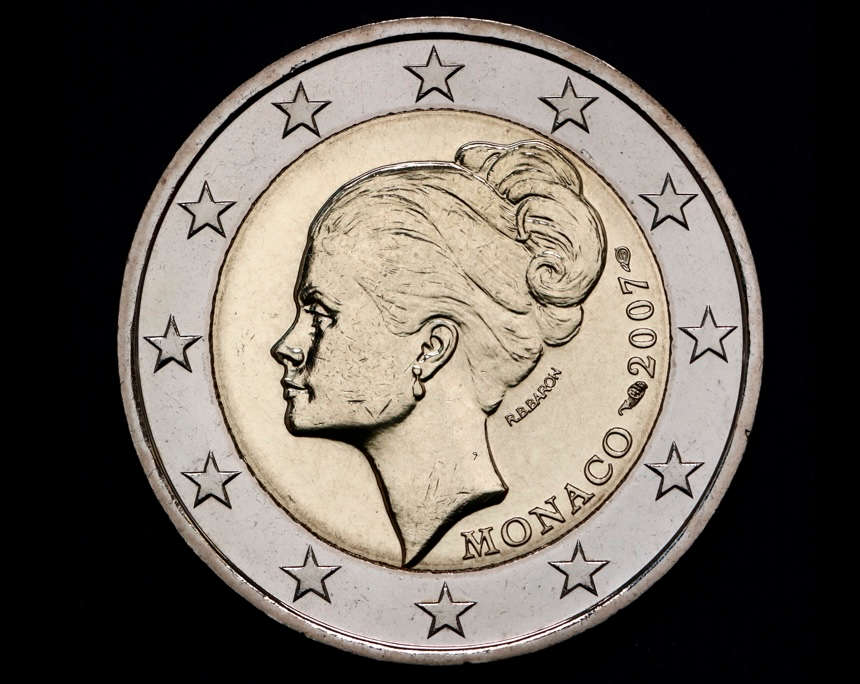
Price Decline for Monaco Euro Coins – Is the Hype Over?
For many years, Euro coins from Monaco were regarded as true treasures among collectors. The exclusive mintings from the small principality were highly sought after, with prices seemingly heading in only one direction: steeply upwards. But now that trend appears to have come to an end—why?
Archive: Coins, Medals and more
 https://new.coinsweekly.com/wp-content/uploads/2024/06/2024KW26HA_00.jpg
684
860
Ursula Kampmann
https://new.coinsweekly.com/wp-content/uploads/2023/01/logo-coinsweekly_590x204.png
Ursula Kampmann2024-06-27 08:00:492024-06-27 09:39:25The Secret of the Success of State Quarters, UNESCO Coins and Federal State Series
https://new.coinsweekly.com/wp-content/uploads/2024/06/2024KW26HA_00.jpg
684
860
Ursula Kampmann
https://new.coinsweekly.com/wp-content/uploads/2023/01/logo-coinsweekly_590x204.png
Ursula Kampmann2024-06-27 08:00:492024-06-27 09:39:25The Secret of the Success of State Quarters, UNESCO Coins and Federal State Series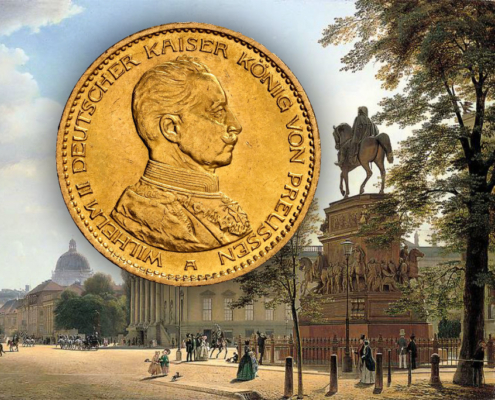 https://new.coinsweekly.com/wp-content/uploads/2024/04/2024KW14HA_00.jpg
684
860
Bruno
https://new.coinsweekly.com/wp-content/uploads/2023/01/logo-coinsweekly_590x204.png
Bruno2024-04-04 09:39:312024-04-04 13:03:19Counterfeit Detection: Altered Prussia 20 Mark
https://new.coinsweekly.com/wp-content/uploads/2024/04/2024KW14HA_00.jpg
684
860
Bruno
https://new.coinsweekly.com/wp-content/uploads/2023/01/logo-coinsweekly_590x204.png
Bruno2024-04-04 09:39:312024-04-04 13:03:19Counterfeit Detection: Altered Prussia 20 Mark
Dive Into Numismatics with the Money & Medals Network’s Coin Talks
The Money & Medals Network, funded by The Royal Numismatic Society and the British Numismatic Society, offers regular online lectures on various numismatic topics, from basics to advanced. Join live or watch past presentations, like the recent one on Identifying Ancient Greek Coins, online.
NGC Promotes Ben Wengel to Senior Vice President of World Coin Grading
NGC promoted Ben Wengel to Senior Vice President of World Coin Grading. The expert for coin counterfeit detection has worked for NGC since his time as a university student.