






Archive: People and Markets
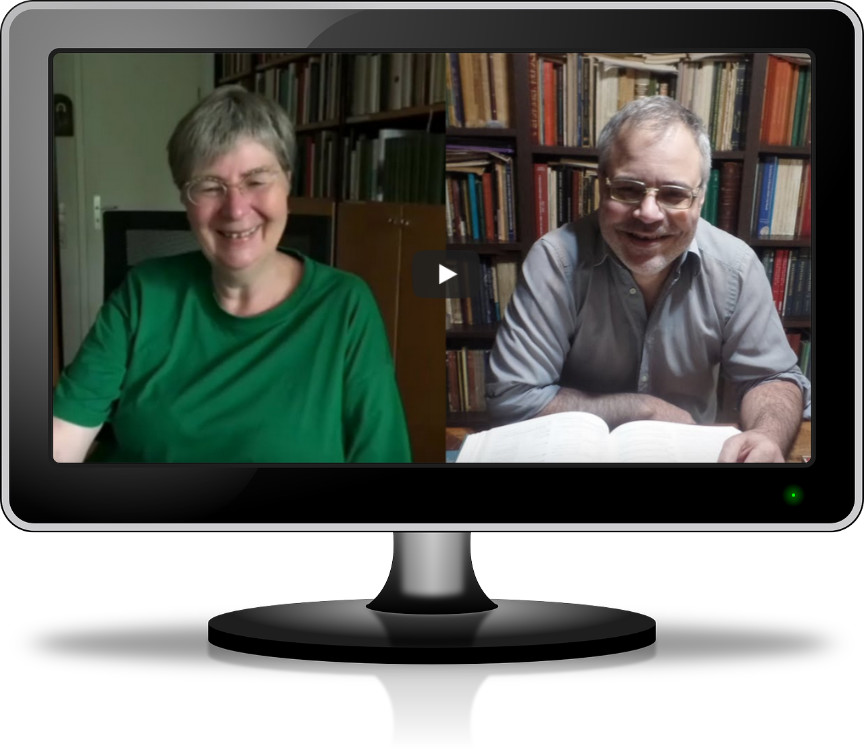
The Fight for Collector’s Rights: An Interview With Ursula Kampmann
For his passionately run “Numischannel” on YouTube, Argentine numismatist Damian Salgado conducted an interview with Ursula Kampmann. Among other things, they talked about private collecting, the rights of collectors and the fight against unfair legislation worldwide. Take a look!
CDN Publishing Acquires Whitman Publishing
CDN Publishing, the numismatic data and pricing specialist and well-known publisher of the Monthly Greysheet, has acquired Whitman Publishing, the major US numismatic publisher.
Archive: Coins, Medals and more
 https://new.coinsweekly.com/wp-content/uploads/2023/10/2023KW42HA_00.jpg
684
860
Ursula Kampmann
https://new.coinsweekly.com/wp-content/uploads/2023/01/logo-coinsweekly_590x204.png
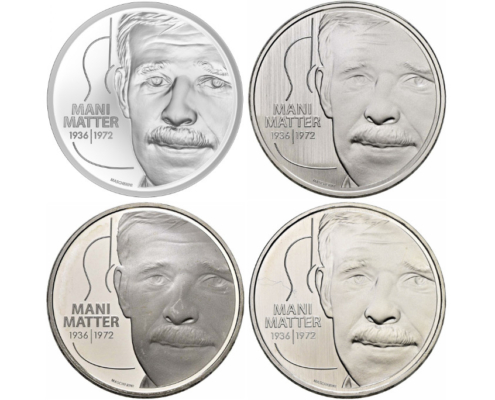
Ursula Kampmann2023-10-19 08:00:012023-10-19 11:43:14SINCONA Offers Spectacular Swissmint Patterns
https://new.coinsweekly.com/wp-content/uploads/2023/10/2023KW42HA_00.jpg
684
860
Ursula Kampmann
https://new.coinsweekly.com/wp-content/uploads/2023/01/logo-coinsweekly_590x204.png
Ursula Kampmann2023-10-19 08:00:012023-10-19 11:43:14SINCONA Offers Spectacular Swissmint Patterns https://new.coinsweekly.com/wp-content/uploads/2024/05/2024KW18HA_00.jpg
684
860
Ursula Kampmann
https://new.coinsweekly.com/wp-content/uploads/2023/01/logo-coinsweekly_590x204.png
Ursula Kampmann2024-05-02 10:35:242024-05-02 10:35:24100 Yuan Lion Dance 1995: One of the Rarest Chinese Coins of Our Age
https://new.coinsweekly.com/wp-content/uploads/2024/05/2024KW18HA_00.jpg
684
860
Ursula Kampmann
https://new.coinsweekly.com/wp-content/uploads/2023/01/logo-coinsweekly_590x204.png
Ursula Kampmann2024-05-02 10:35:242024-05-02 10:35:24100 Yuan Lion Dance 1995: One of the Rarest Chinese Coins of Our Age
Künker Auctions 100 Pieces from the Ronus Collection to Benefit the ANS
As part of Künkers eLive Auction 87, 100 pieces from the Robert Ronus Collection which were generously donated to the ANS will be auctioned off to benefit the Society. Robert Ronus is a passionate coin collector, dedicated numismatist and a long-time supporter of the ANS.
ANS awards Collier Prize to Moneda Ibérica
For the second time, the American Numismatic Society awarded the Collier Prize to an outstanding book, catalog, or digital work in the field of ancient numismatics. This year, the honor went to Moneda Ibérica, a digital catalog for ancient coins of the Iberian Peninsula.