








Archive: People and Markets

Study on Investment Behaviour of Women: Gold – Low Risk but High Returns?
The Royal Mint reports a significant rise in female investors, as more women seem to be turning to the gold and silver markets to safeguard their investment portfolios from risks.
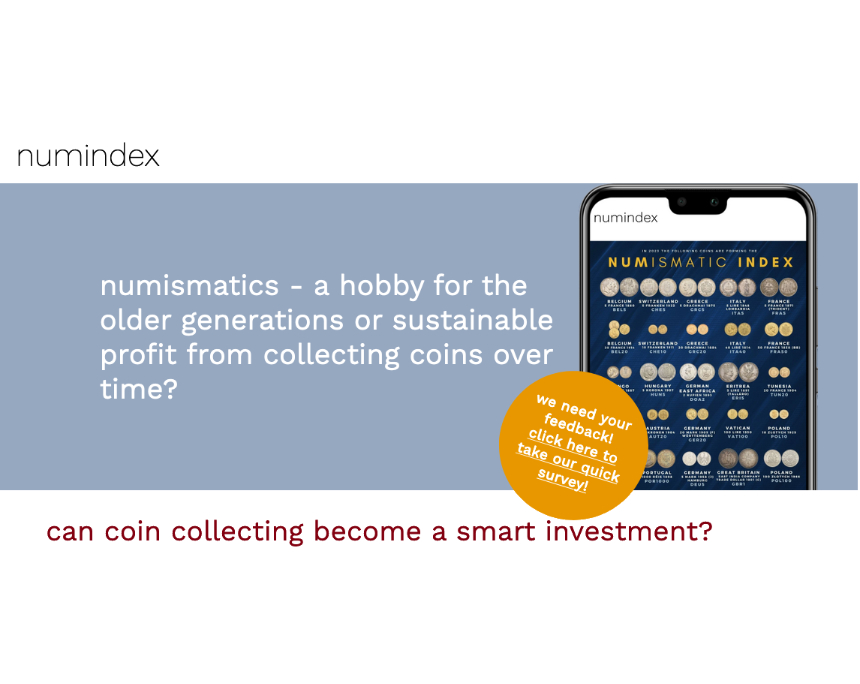
The Numismatic Index numindex in November 2023 – Your Feedback Counts!
At the beginning of the year, numindex was launched as a kind of stock index for coins. In addition to regular updates, some helpful new features have since been introduced. Your opinion as a CoinsWeekly reader is now needed!
Archive: Coins, Medals and more
 https://new.coinsweekly.com/wp-content/uploads/2023/06/00_DSC04222.png
506
500
Bruno
https://new.coinsweekly.com/wp-content/uploads/2023/01/logo-coinsweekly_590x204.png
Bruno2022-06-13 12:00:452023-07-03 12:18:15The National Identity of Modern Ukraine on its Commemorative Coins
https://new.coinsweekly.com/wp-content/uploads/2023/06/00_DSC04222.png
506
500
Bruno
https://new.coinsweekly.com/wp-content/uploads/2023/01/logo-coinsweekly_590x204.png
Bruno2022-06-13 12:00:452023-07-03 12:18:15The National Identity of Modern Ukraine on its Commemorative Coins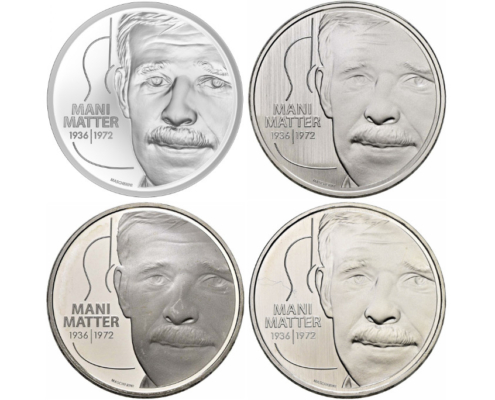 https://new.coinsweekly.com/wp-content/uploads/2023/10/2023KW42HA_00.jpg
684
860
Ursula Kampmann
https://new.coinsweekly.com/wp-content/uploads/2023/01/logo-coinsweekly_590x204.png
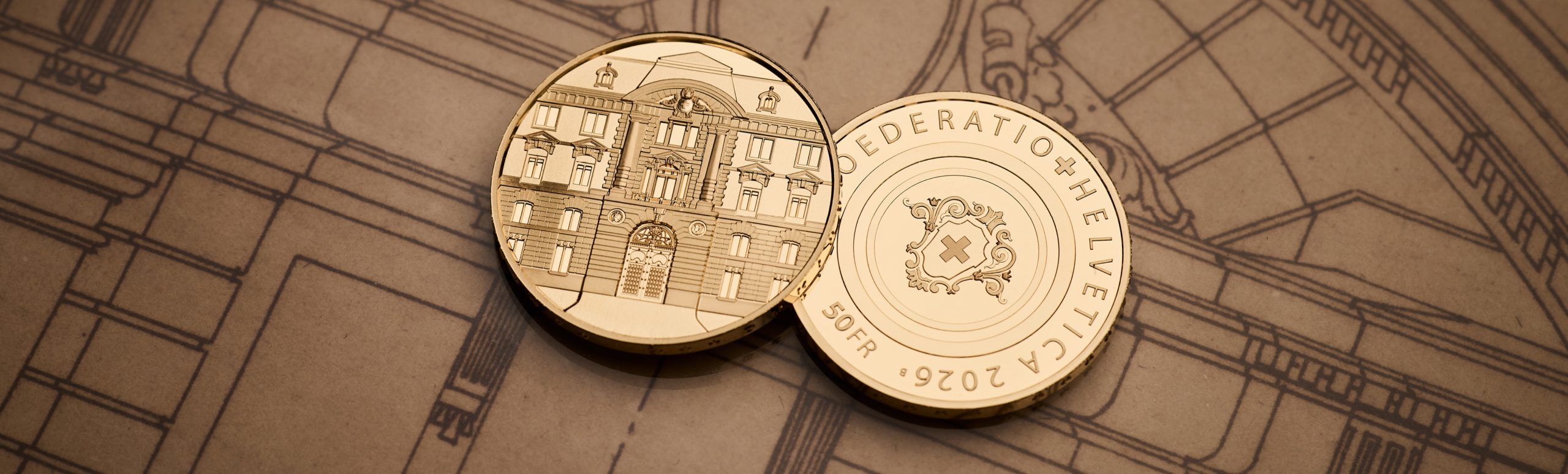
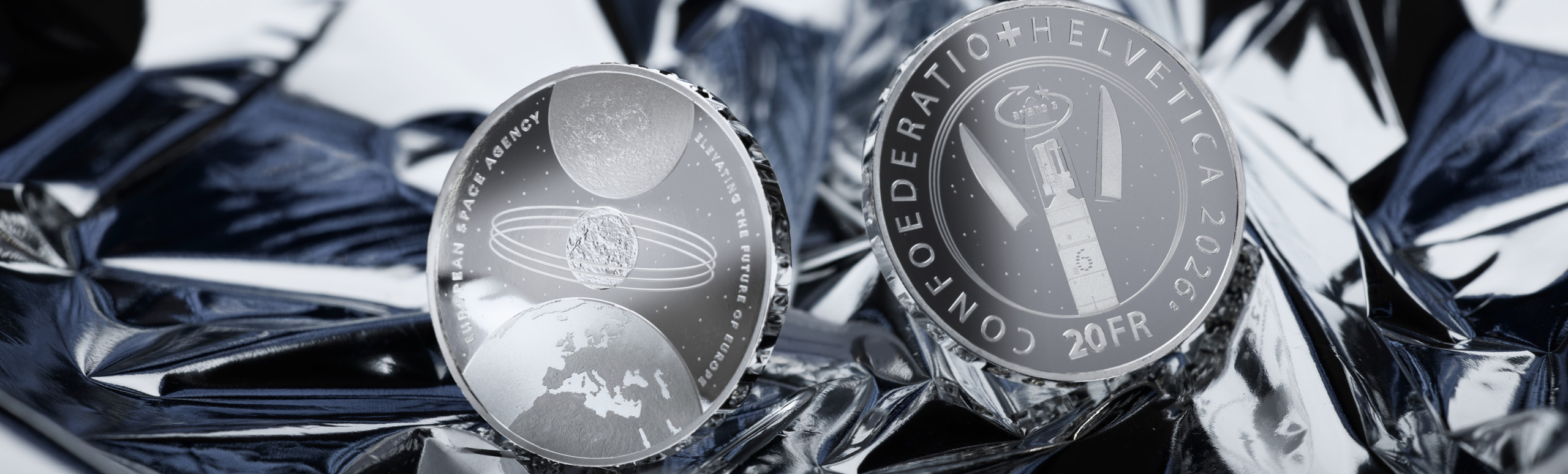
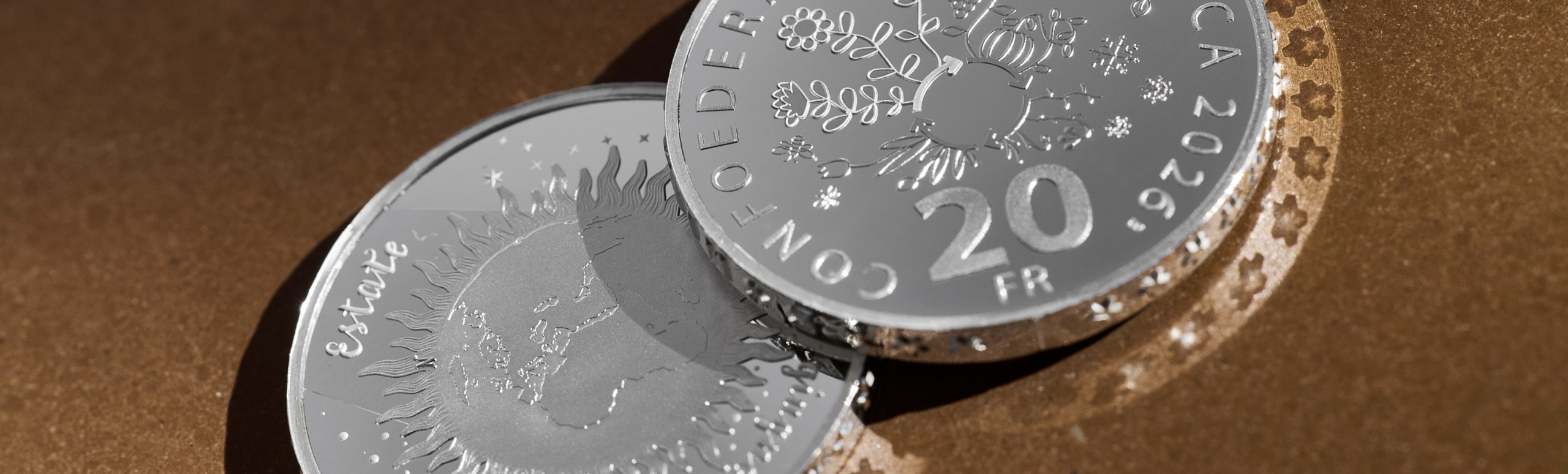
Ursula Kampmann2023-10-19 08:00:012023-10-19 11:43:14SINCONA Offers Spectacular Swissmint Patterns
https://new.coinsweekly.com/wp-content/uploads/2023/10/2023KW42HA_00.jpg
684
860
Ursula Kampmann
https://new.coinsweekly.com/wp-content/uploads/2023/01/logo-coinsweekly_590x204.png
Ursula Kampmann2023-10-19 08:00:012023-10-19 11:43:14SINCONA Offers Spectacular Swissmint Patterns
The Zurich International Coin Fair 2023
For many decades, the coin fair in Zurich has been the most important meeting point for the Swiss numismatic scene. In 2023, it was particularly crowded, as Swissmint had planned a special sale that drew many interested people.
Giant’s Causeway: A Natural Wonder at Risk – Because of Coins?
One of Britain’s most iconic natural landmarks is under threat – because tourists are decorating the famous basalt columns of the Giant’s Causeway with coins. What may seem like a well-meaning gesture is now causing increasing damage to the geologically unique rock formation.