






Archive: People and Markets
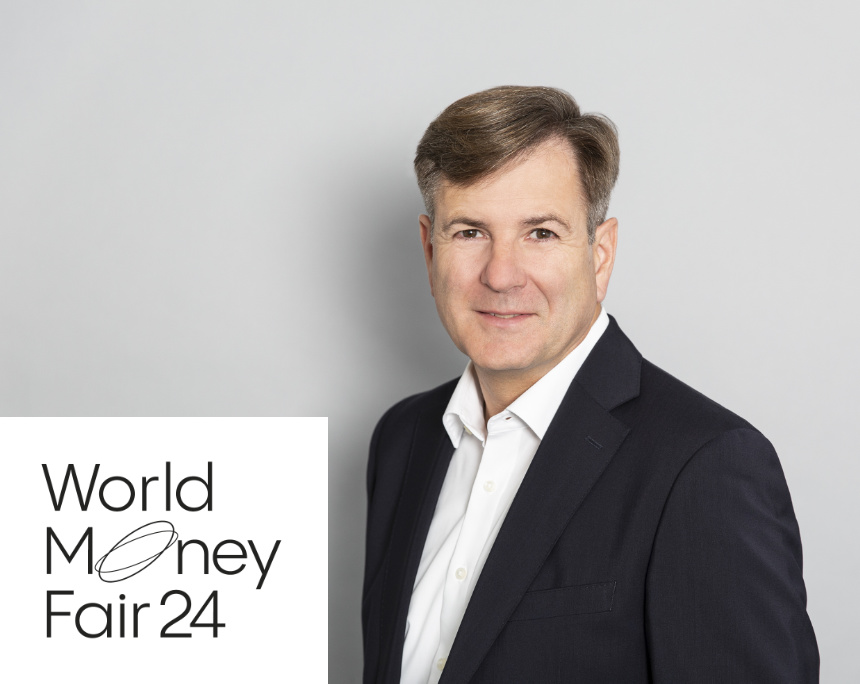
Interview: News From the World Money Fair
In 2024, a new generation takes over the leadership of the World Money Fair. Having hosted 17 successful events, Barbara Balz has handed over the reins to Goetz-Ulf Jungmichel. We talked to him to find out about the future course of the World Money Fair.
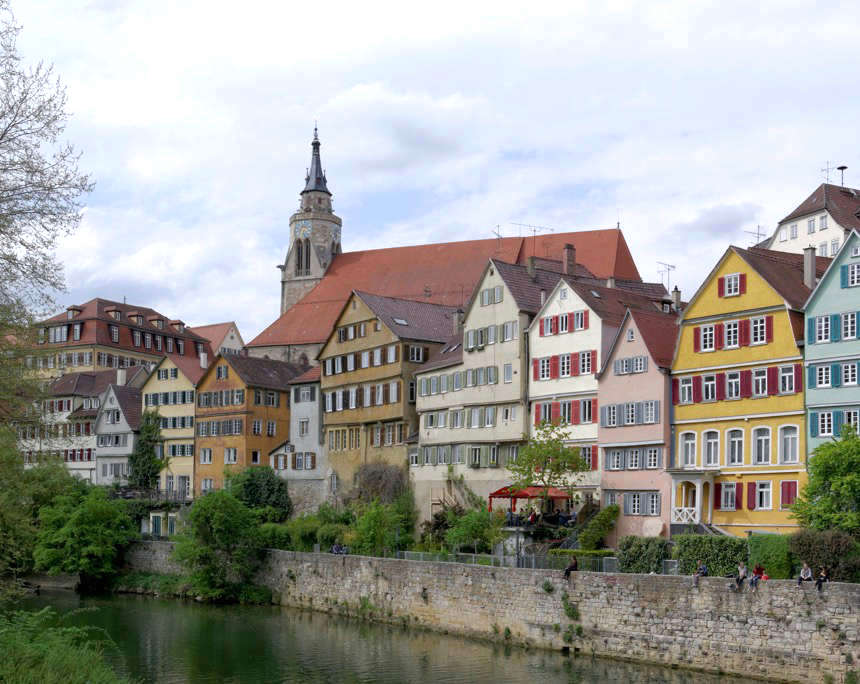
Meeting of the Oriental Numismatic Society 2024 in Tübingen
The annual international conference on Islamic numismatics will take place in Tübingen from May 4 to 5, 2024. The program tempts you to spend the first weekend in May in beautiful Tübingen!
Archive: Coins, Medals and more
 https://new.coinsweekly.com/wp-content/uploads/2025/01/2025KW05HA01_00.jpg
684
860
Lucie Loechel
https://new.coinsweekly.com/wp-content/uploads/2023/01/logo-coinsweekly_590x204.png
Lucie Loechel2025-01-29 10:30:092025-01-30 07:13:21Record! South African Rarity Leaves All Previous Top Prices Far Behind
https://new.coinsweekly.com/wp-content/uploads/2025/01/2025KW05HA01_00.jpg
684
860
Lucie Loechel
https://new.coinsweekly.com/wp-content/uploads/2023/01/logo-coinsweekly_590x204.png
Lucie Loechel2025-01-29 10:30:092025-01-30 07:13:21Record! South African Rarity Leaves All Previous Top Prices Far Behind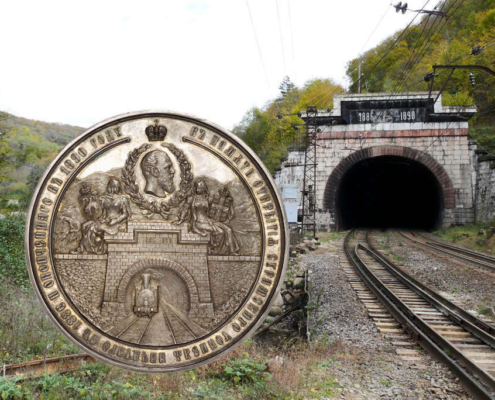 https://new.coinsweekly.com/wp-content/uploads/2024/06/2024KW23HA_00.jpg
684
860
Ursula Kampmann
https://new.coinsweekly.com/wp-content/uploads/2023/01/logo-coinsweekly_590x204.png
Ursula Kampmann2024-06-06 10:42:582024-06-06 12:38:59For Railroad Fans: The Suram Tunnel
https://new.coinsweekly.com/wp-content/uploads/2024/06/2024KW23HA_00.jpg
684
860
Ursula Kampmann
https://new.coinsweekly.com/wp-content/uploads/2023/01/logo-coinsweekly_590x204.png
Ursula Kampmann2024-06-06 10:42:582024-06-06 12:38:59For Railroad Fans: The Suram Tunnel
New RNS Research Fund for Asian Numismatics
The Royal Numismatic Society announced the establishment of a new fund which aims to enable curators and students based in Asia to visit the UK to study Asian coin and money collections.
Celebrating Wolfgang Hahn’s 80th Birthday
There are numismatists who are an integral part of the numismatic world. One of them is Wolfgang Hahn, who shaped the fate of the Department of Numismatics and Monetary History in Vienna from 1990 to 2010. On 12 March 2025, he celebrated his 80th birthday.