







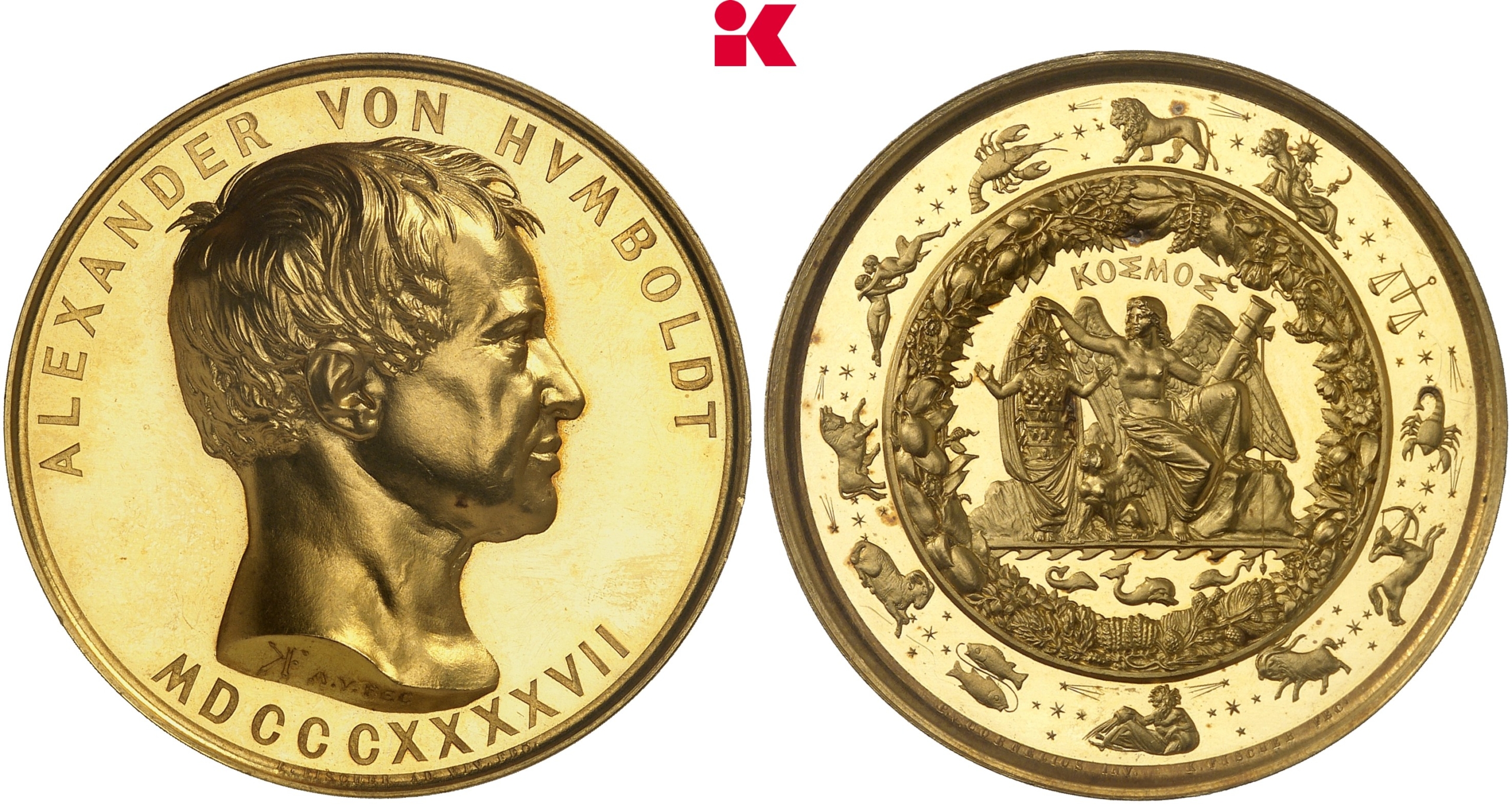
Gold medal in the weight of 50 ducats
commemorating the publication of the second volume
of Alexander von Humboldt’s *Kosmos*.
NGC MS 65 PL.
From the estate of Emperor William I.
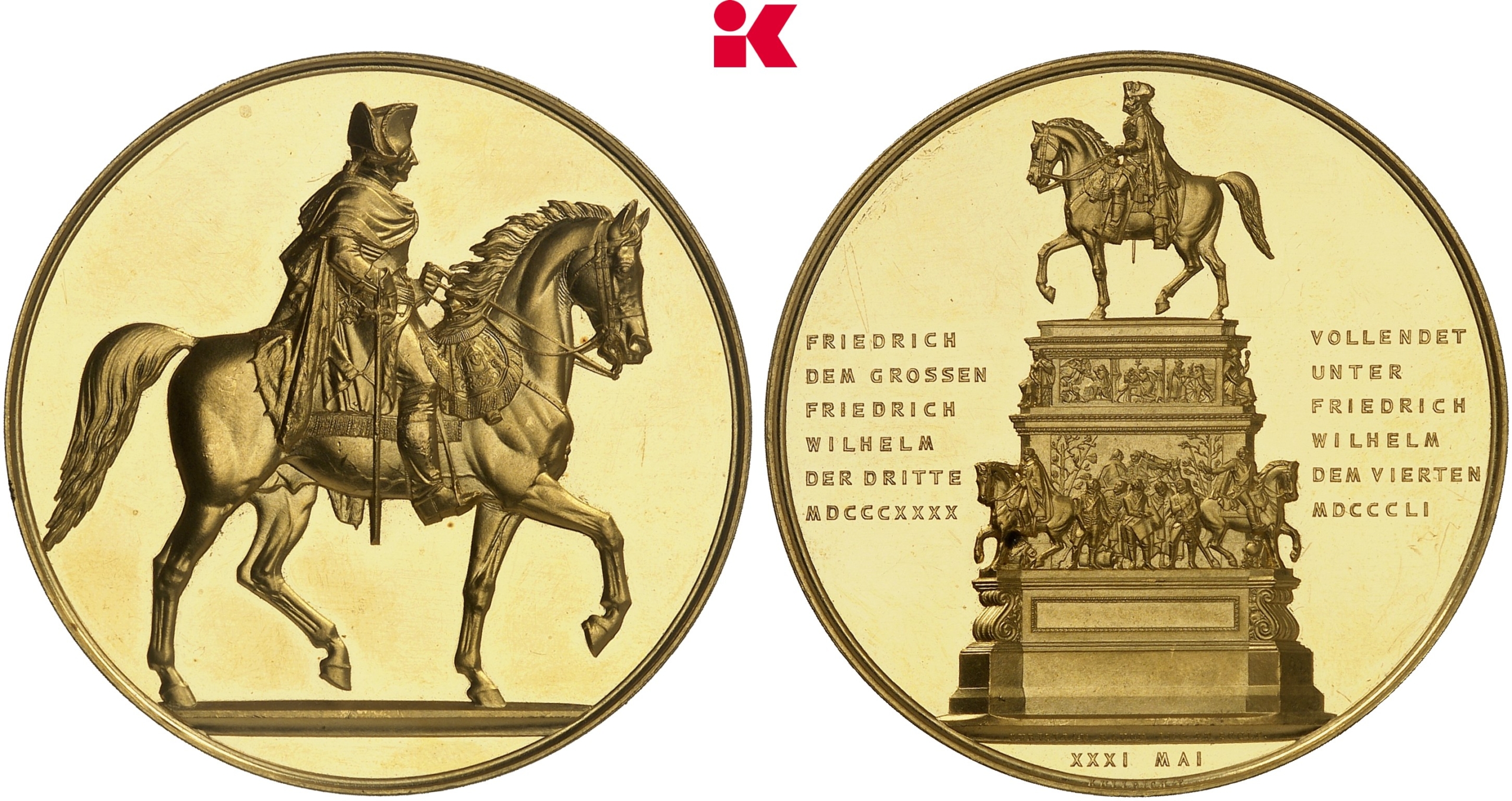
Gold medal in the weight of 50 ducats commemorating
the unveiling of the equestrian statue of
Frederick the Great on Unter den Linden in Berlin in 1851.
NGC MS 63 PL.
From the estate of Emperor William I.
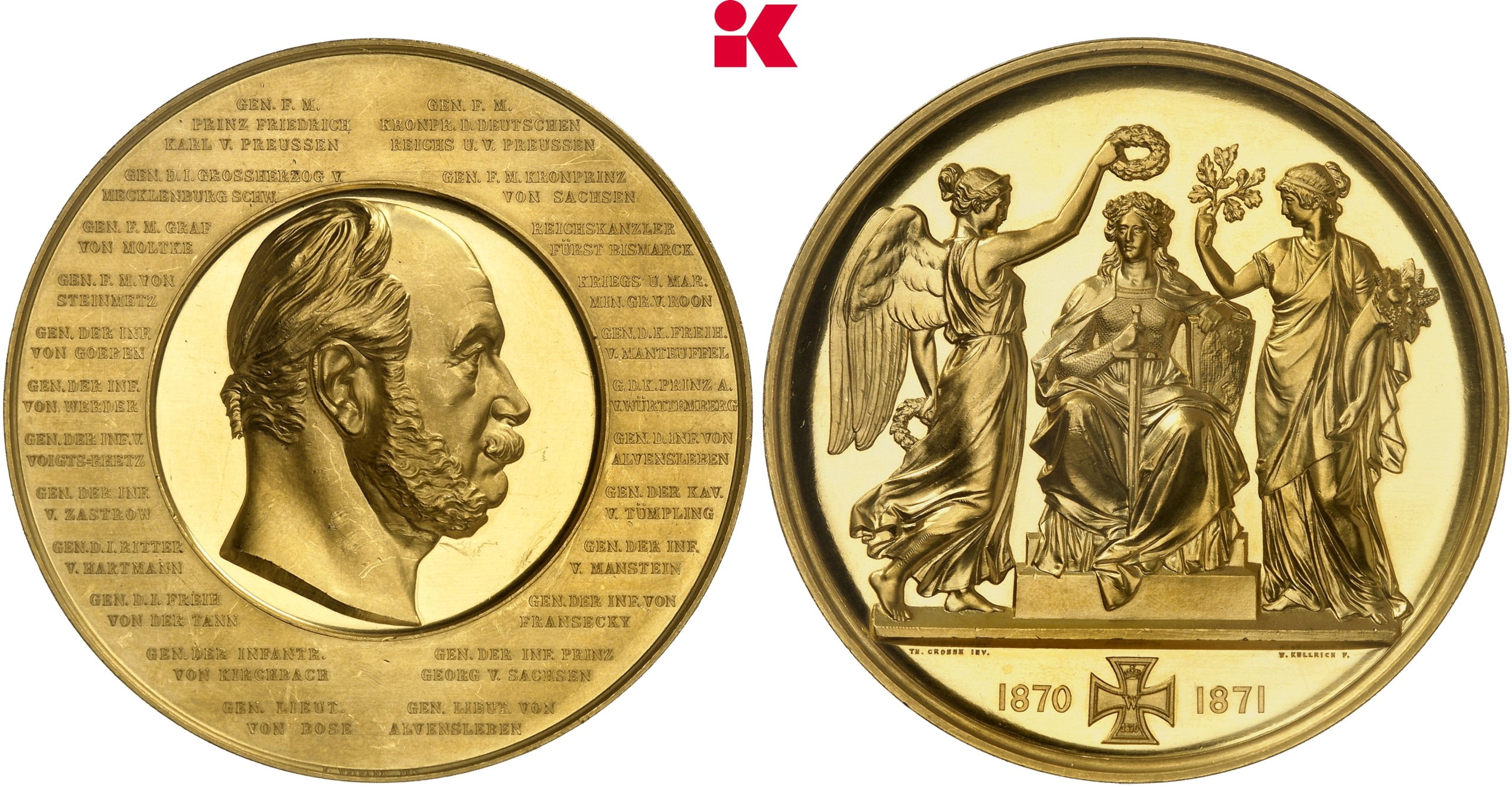
General’s Medal in the weight of 120 ducats, 1871,
commemorating the victory over France.
A magnificent specimen.
From the estate of Emperor William I.
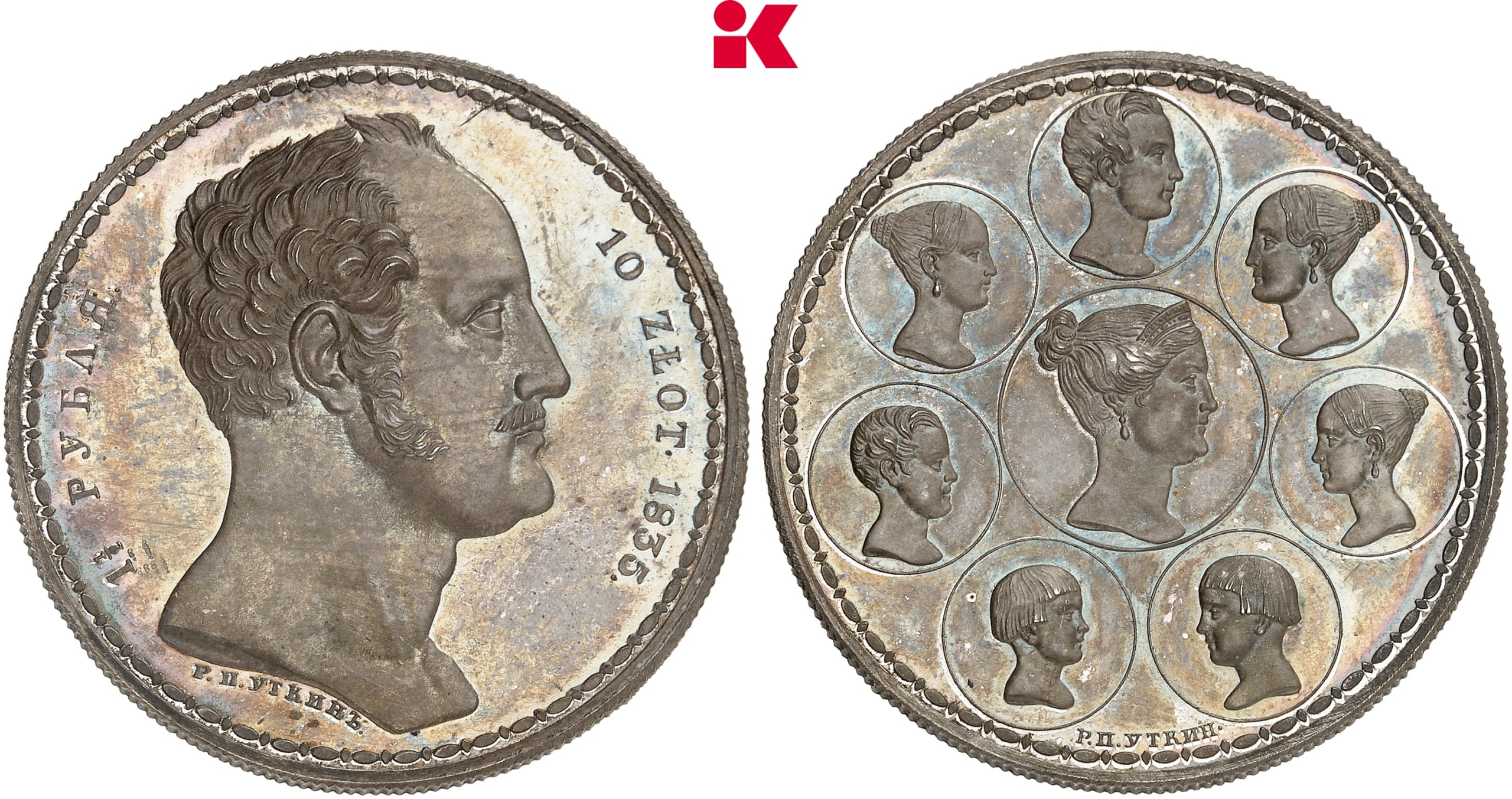
1 1/2 rubles (10 zlotys), 1835, St. Petersburg.
NGC MS 64 (Top Pop).
Only 36 examples struck.
A cabinet piece from polished dies.
From the estate of King Frederick William IV.
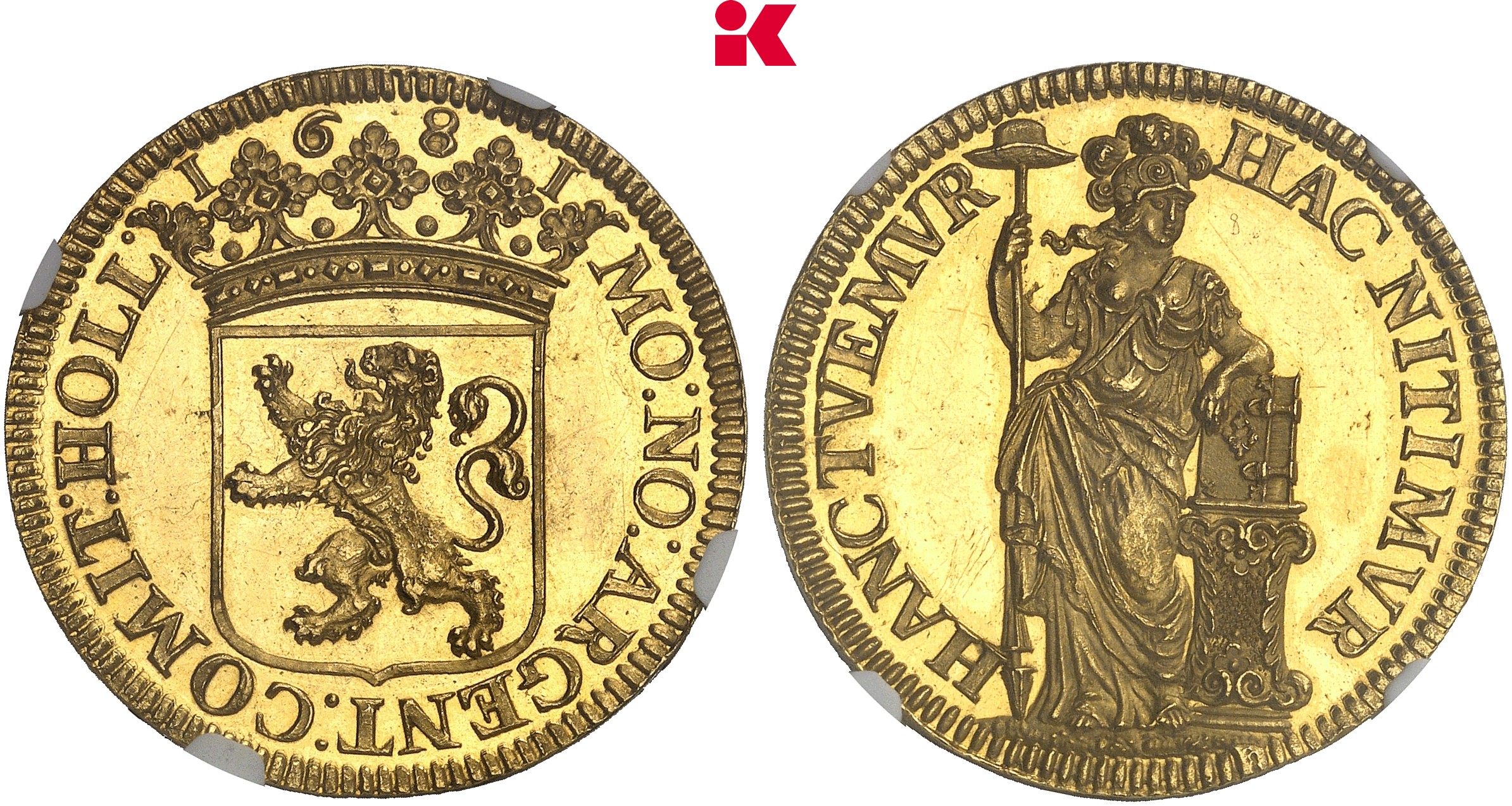
5 ducats, 1681.
Struck with the dies of a guilder.
NGC PF 64 Cameo.
Proof.
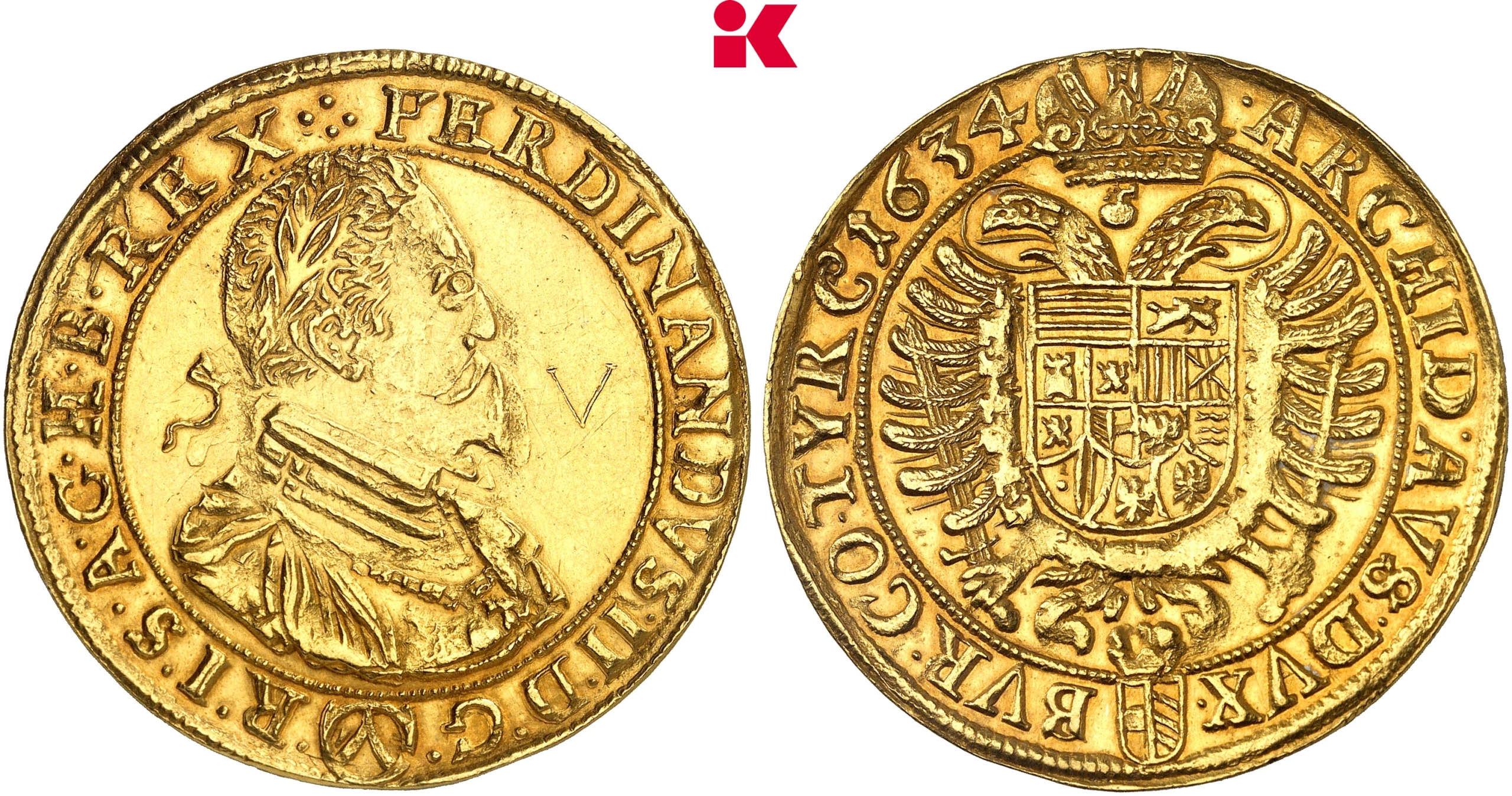
5 ducats, 1634, Vienna.
Extremely rare.
Extremely fine-uncirculated.
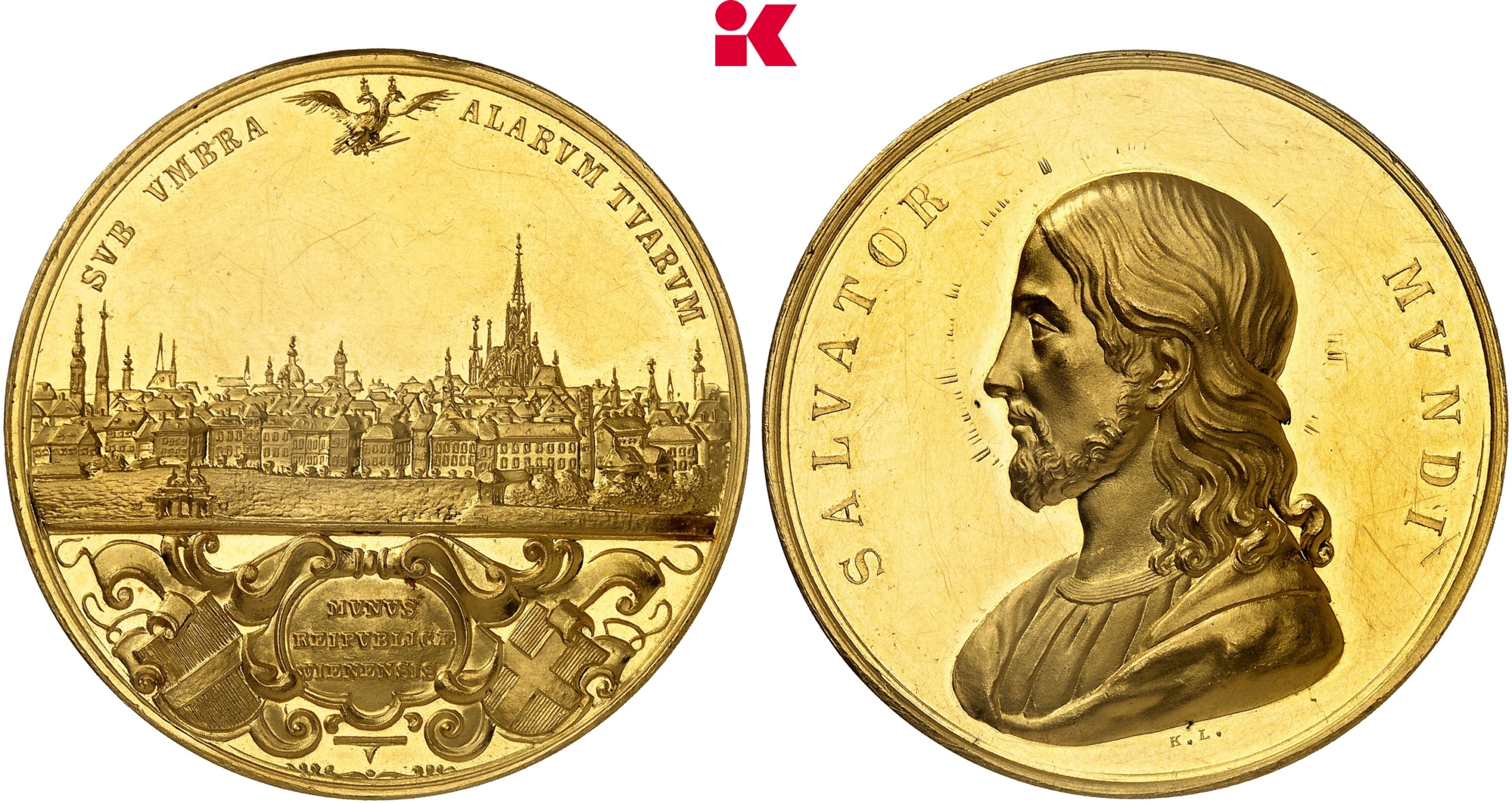
Salvator Medal in the weight of 12 ducats,
n. d.(around 1840).
NGC PF 61 CAMEO.
Proof.
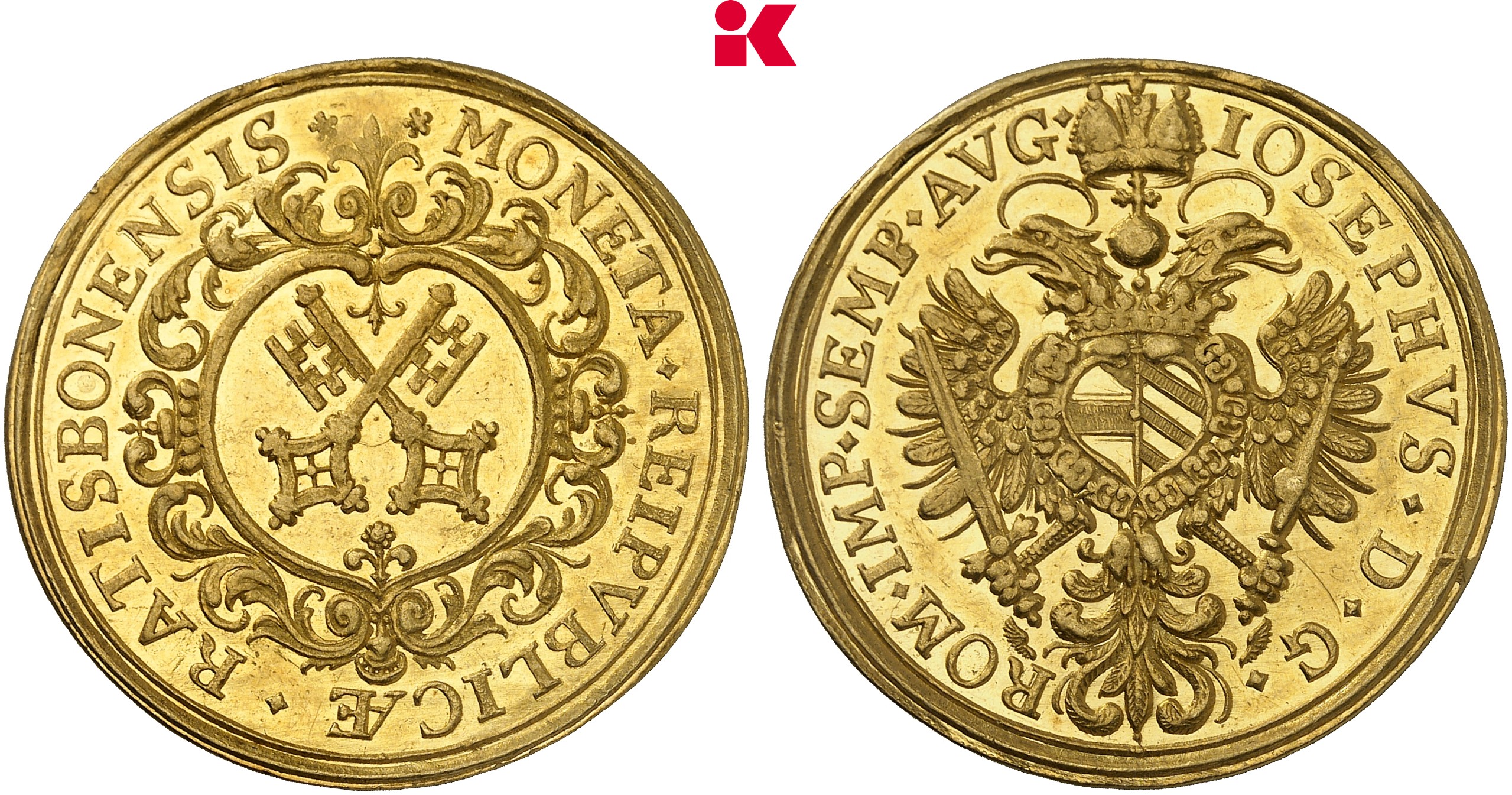
5 ducats, n. d. (1708–1710),
with the title of Joseph I. NGC MS 64.
Extremely rare. According to mint records,
only 7 copies struck.
A magnificent piece.
Archive: People and Markets

New Director of the Winterthur Coin Cabinet Appointed
Gunnar Dumke will be the new director of Winterthur Coin Cabinet. The ancient historian and archaeologist will succeed Benedikt Zäch, who is retiring after thirty years at this position.
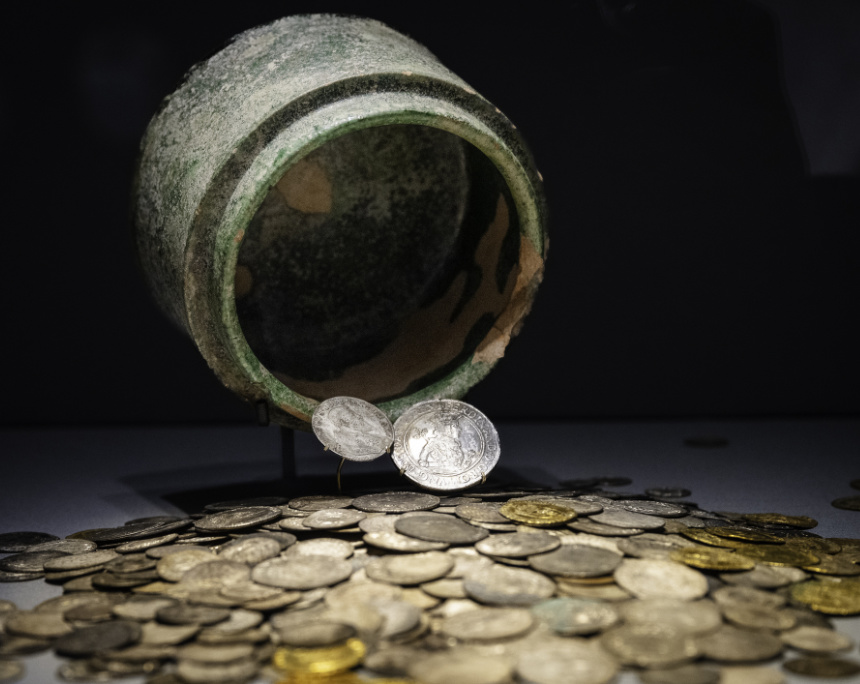
The Coin Hoard of Merishausen
From 15 March to 19 October 2025, the Museum zu Allerheiligen in Schaffhausen, Switzerland, is mounting a special exhibition on the coin hoard of Merishausen, presenting the results of research on this interesting ensemble to the public.
Archive: Coins, Medals and more
 https://new.coinsweekly.com/wp-content/uploads/2024/09/2024KW36HA_00.jpg
684
860
Lucie Loechel
https://new.coinsweekly.com/wp-content/uploads/2023/01/logo-coinsweekly_590x204.png
Lucie Loechel2024-09-05 10:46:502024-09-05 13:34:39Silver for Württemberg
https://new.coinsweekly.com/wp-content/uploads/2024/09/2024KW36HA_00.jpg
684
860
Lucie Loechel
https://new.coinsweekly.com/wp-content/uploads/2023/01/logo-coinsweekly_590x204.png
Lucie Loechel2024-09-05 10:46:502024-09-05 13:34:39Silver for Württemberg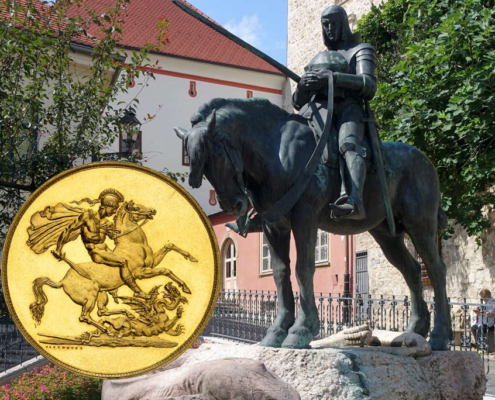 https://new.coinsweekly.com/wp-content/uploads/2024/01/2023KW03HA_00.jpg
684
860
Ursula Kampmann
https://new.coinsweekly.com/wp-content/uploads/2023/01/logo-coinsweekly_590x204.png
Ursula Kampmann2024-01-18 08:00:542024-01-18 10:35:27Why Are There So Many Coins Depicting Saint George?
https://new.coinsweekly.com/wp-content/uploads/2024/01/2023KW03HA_00.jpg
684
860
Ursula Kampmann
https://new.coinsweekly.com/wp-content/uploads/2023/01/logo-coinsweekly_590x204.png
Ursula Kampmann2024-01-18 08:00:542024-01-18 10:35:27Why Are There So Many Coins Depicting Saint George?
Change at the Helm of the U.S. Mint – Gibson Resigns
The upheaval in the U.S. administration is also affecting the U.S. Mint. Director Gibson resigned. This does not come at an easy time for the institution.
A Military Motif in Circulation – Or: How Political Should 2-Euro Coins Be?
Lithuania is planning to design a 2-euro commemorative coin for defense “against foreign armed forces”. Critics fear a numismatic mobilization – and are eagerly awaiting a possible veto from other euro countries. But have there ever been comparable cases?