








Archive: People and Markets
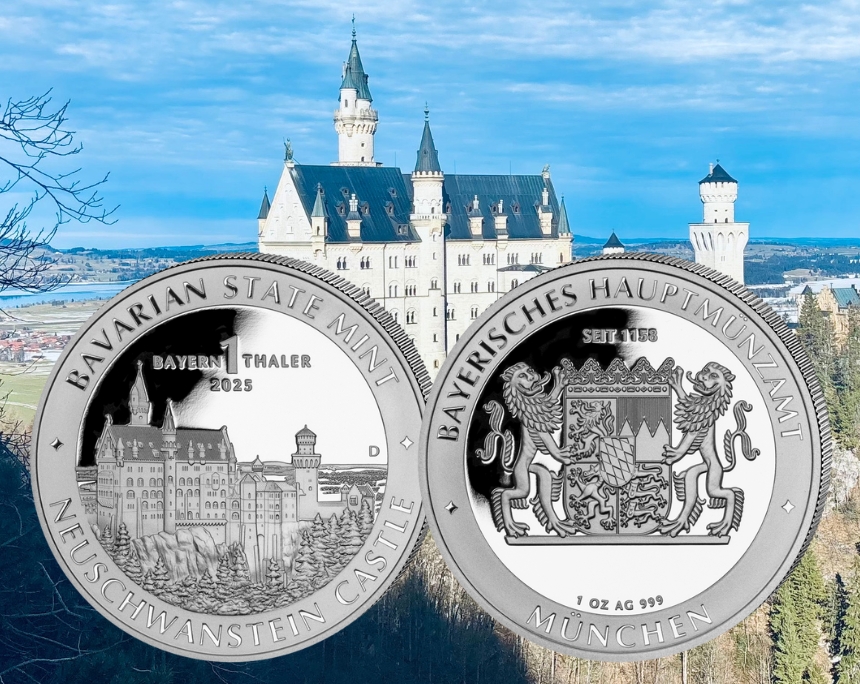
Will the Bayern Thaler Become the Long-Awaited German Bullion Coin?
The Free State of Bavaria has commissioned the Bavarian State Mint to produce a series of precious metal investment products. The “Bayern Thaler” aims to join the ranks of investment icons and is in keeping with the spirit of the times – but there are pitfalls ahead.

ANS Announces Recipient of Chairman’s Fellowship in Numismatic Research
The American Numismatic Society has chosen the inaugural recipient for the Chairman’s Fellowship for Numismatic Research. The fellowship will fund a dissertation research and a planned book project.
Archive: Coins, Medals and more
 https://new.coinsweekly.com/wp-content/uploads/2023/11/2023KW46HA_00.jpg
684
860
Ursula Kampmann
https://new.coinsweekly.com/wp-content/uploads/2023/01/logo-coinsweekly_590x204.png
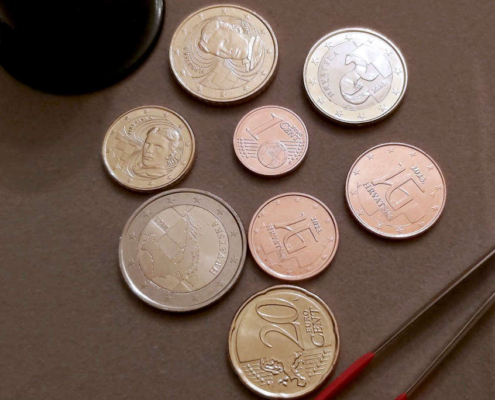
Ursula Kampmann2023-11-16 09:14:582023-11-16 09:23:58The First Error Coins from Croatia
https://new.coinsweekly.com/wp-content/uploads/2023/11/2023KW46HA_00.jpg
684
860
Ursula Kampmann
https://new.coinsweekly.com/wp-content/uploads/2023/01/logo-coinsweekly_590x204.png
Ursula Kampmann2023-11-16 09:14:582023-11-16 09:23:58The First Error Coins from Croatia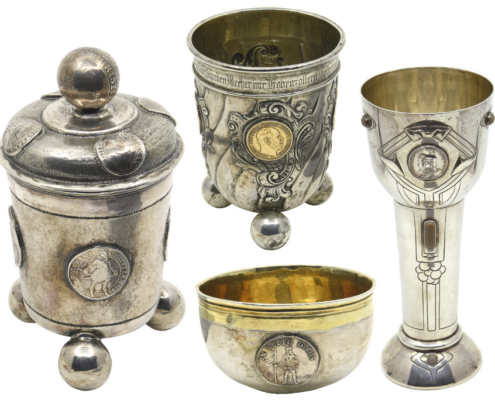 https://new.coinsweekly.com/wp-content/uploads/2025/03/2025KW11HA01_00.jpg
684
860
Lucie Loechel
https://new.coinsweekly.com/wp-content/uploads/2023/01/logo-coinsweekly_590x204.png
Lucie Loechel2025-03-13 10:11:402025-03-13 10:11:40Coin-Embedded Tableware as Part of European Dining Culture
https://new.coinsweekly.com/wp-content/uploads/2025/03/2025KW11HA01_00.jpg
684
860
Lucie Loechel
https://new.coinsweekly.com/wp-content/uploads/2023/01/logo-coinsweekly_590x204.png
Lucie Loechel2025-03-13 10:11:402025-03-13 10:11:40Coin-Embedded Tableware as Part of European Dining Culture
RNS Early Career Lectures 2024: Call for Papers!
The Royal Numismatic Society is looking for two students or early career professionals to give a lecture to its members in February 2024. As this will take place over Zoom everybody from all over the world is encouraged to submit a proposal soon!
Minerva Magazine Ceased Publishing
The archaeological journal Minerva, founded in 1990, will discontinue its service with its last issue in July/August 2023. The reason for this, it says, are the lingering effects of the pandemic and increased costs. The last issue can be downloaded for free.