











Archive: People and Markets
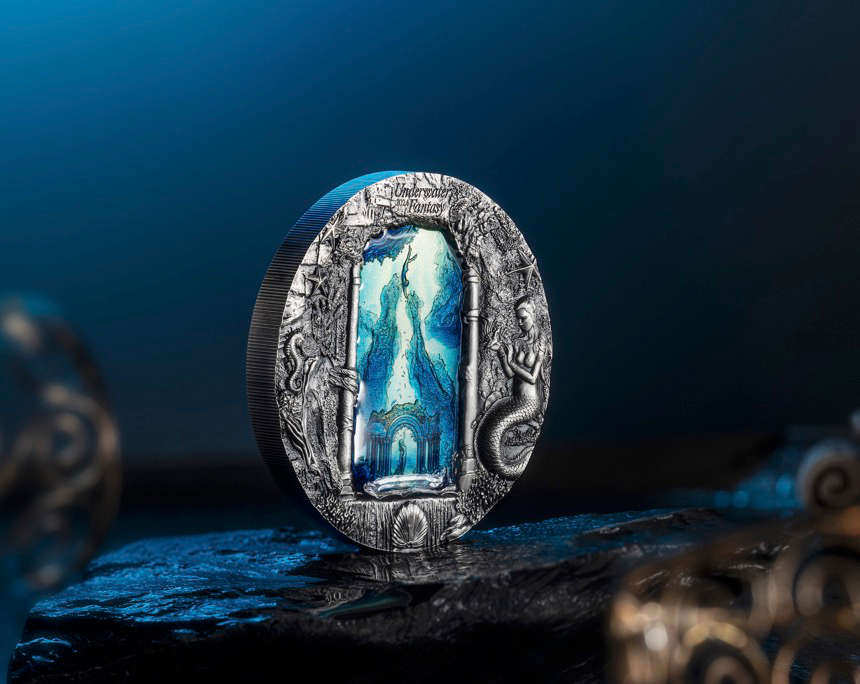
CIT’s Underwater Fantasy – Mermaids
The more we learn about the underwater world, its colorful, bizarrely shaped creatures and the sunken testaments to mankind, the more it captures our imagination and inspires our dreams. CIT translated this feeling into a numismatic shape. From a technical point of view, the application of enamel reproducing underwater visuals is highly remarkable.
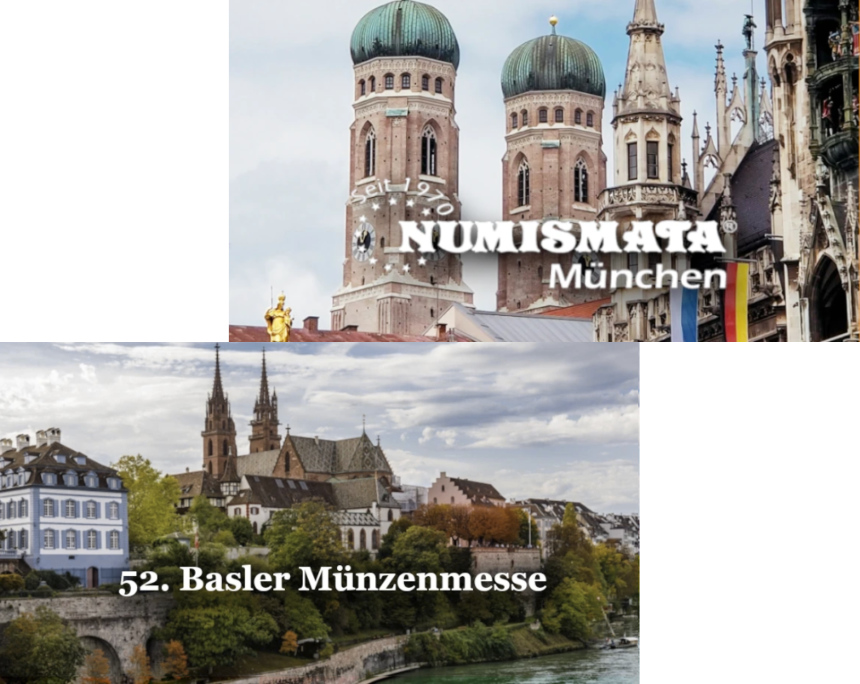
Our Event Sites for the Coin Fairs in Basel and Munich
On the last weekend in February and the first weekend in March, two coin fairs took place that we didn’t want to miss: First the Basel Coin Fair, then the NUMISMATA in Munich. You can find our impressions of the fairs on two event sites.
Archive: Coins, Medals and more
 https://new.coinsweekly.com/wp-content/uploads/2024/05/2024KW20HA_00.jpg
684
860
Ursula Kampmann
https://new.coinsweekly.com/wp-content/uploads/2023/01/logo-coinsweekly_590x204.png
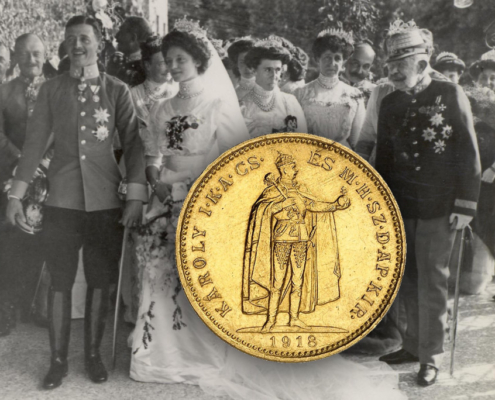
Ursula Kampmann2024-05-16 10:22:052024-05-16 10:35:23Charles I of Austria-Hungary: A Hapless Emperor Who Was Beatified
https://new.coinsweekly.com/wp-content/uploads/2024/05/2024KW20HA_00.jpg
684
860
Ursula Kampmann
https://new.coinsweekly.com/wp-content/uploads/2023/01/logo-coinsweekly_590x204.png
Ursula Kampmann2024-05-16 10:22:052024-05-16 10:35:23Charles I of Austria-Hungary: A Hapless Emperor Who Was Beatified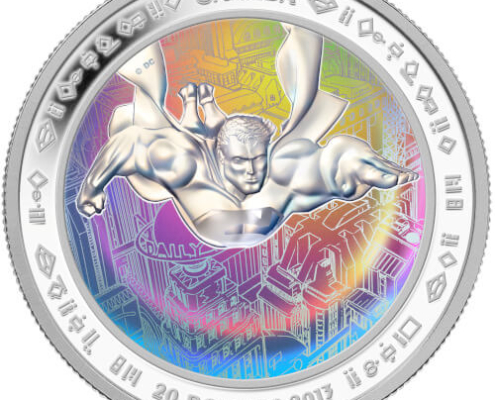 https://new.coinsweekly.com/wp-content/uploads/2023/06/00-7.jpg
496
500
Bruno
https://new.coinsweekly.com/wp-content/uploads/2023/01/logo-coinsweekly_590x204.png
Bruno2022-06-13 12:00:272023-07-03 14:53:25State-of-the-Art Minting Technology
https://new.coinsweekly.com/wp-content/uploads/2023/06/00-7.jpg
496
500
Bruno
https://new.coinsweekly.com/wp-content/uploads/2023/01/logo-coinsweekly_590x204.png
Bruno2022-06-13 12:00:272023-07-03 14:53:25State-of-the-Art Minting Technology
Two New Books on Ancient Numismatics in Poland
Book news from Poland: In the last months, two significant books on Roman numismatics were published with an English translation. Adam Degler and Kyrylo Myzgin tell us more about their works.
Outstanding Women in Silver and a Break for 5-Euro Coins: Germany’s 2025 Commemorative Coin Programme
Germany’s 2025 coin programme comprises eleven issues, combining subjects of historical importance with current socio-political topics.