







Archive: People and Markets
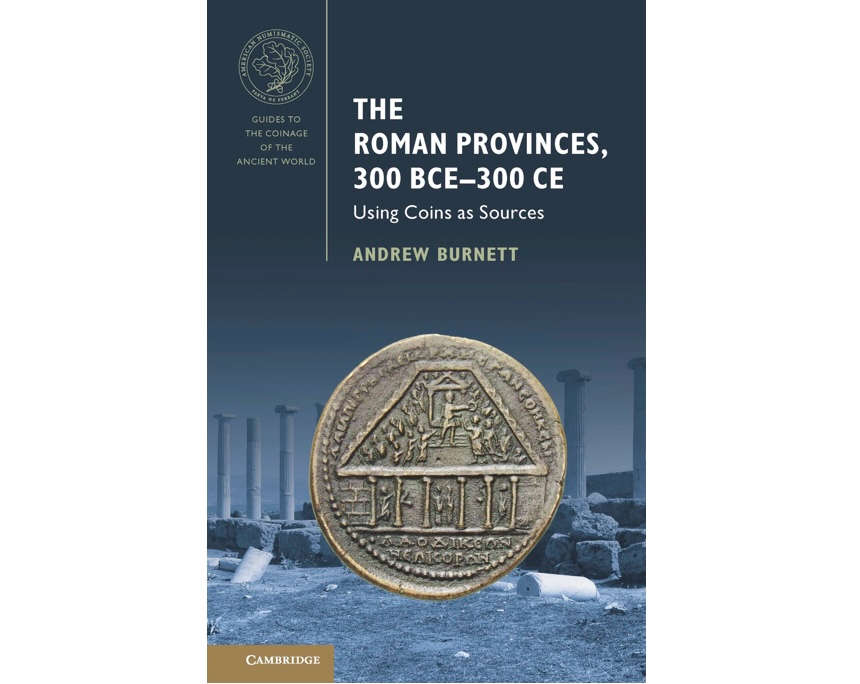
Using Coins as Sources: The Roman Provinces, 300 BCE–300 CE
The series “Guides to the Coinage of the Ancient World” has a new volume. Andrew Burnett has published his work on Roman Provincial coins, highlighting the unique insights these coins provide into the Roman world. Order by the end of January for a 20% discount!

Two Robberies in Two Days – French Museums Targeted by Criminals
Last week, two museums in France were robbed. The museums were helpless in the face of the criminals’ ruthless brutality. Is it even possible to protect our cultural heritage in this day and age?
Archive: Coins, Medals and more
 https://new.coinsweekly.com/wp-content/uploads/2025/02/2025KW06HA_00.jpg
684
860
Lucie Loechel
https://new.coinsweekly.com/wp-content/uploads/2023/01/logo-coinsweekly_590x204.png
Lucie Loechel2025-02-06 07:00:302025-02-06 15:38:12Coins on Coins: When Numismatic Legends Are Reborn
https://new.coinsweekly.com/wp-content/uploads/2025/02/2025KW06HA_00.jpg
684
860
Lucie Loechel
https://new.coinsweekly.com/wp-content/uploads/2023/01/logo-coinsweekly_590x204.png
Lucie Loechel2025-02-06 07:00:302025-02-06 15:38:12Coins on Coins: When Numismatic Legends Are Reborn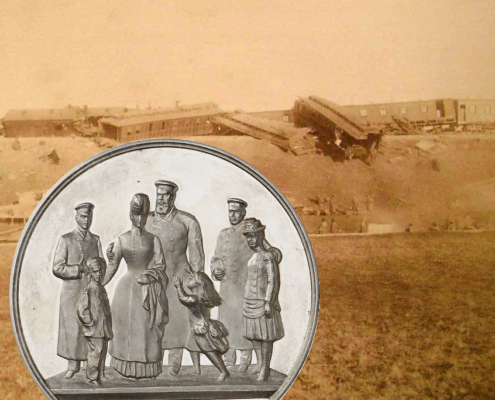 https://new.coinsweekly.com/wp-content/uploads/2023/12/2023KW50HA_00B.jpg
684
860
Ursula Kampmann
https://new.coinsweekly.com/wp-content/uploads/2023/01/logo-coinsweekly_590x204.png
Ursula Kampmann2023-12-14 10:41:562023-12-14 10:41:56The Borki Train Disaster
https://new.coinsweekly.com/wp-content/uploads/2023/12/2023KW50HA_00B.jpg
684
860
Ursula Kampmann
https://new.coinsweekly.com/wp-content/uploads/2023/01/logo-coinsweekly_590x204.png
Ursula Kampmann2023-12-14 10:41:562023-12-14 10:41:56The Borki Train Disaster
The Difference Between Stamps and Coins: Not as Trivial as You’d Think!
There are times when uninformed people buy anything as long as the object in question might retain its value. Disillusionment strikes when the market situation changes. The realisation that there isn’t a market for every collectible ruined many a collecting field in the past. Ursula Kampmann urges caution.
Stack’s Bowers Galleries Launches Coin Resource Center
Stack’s Bowers Galleries announced the launch of their Coin Resource Center. The new website is a detailed reference guide for all U.S. coins with historical backgrounds of each U.S. Mint and insightful Collector Guides.