







Archive: People and Markets
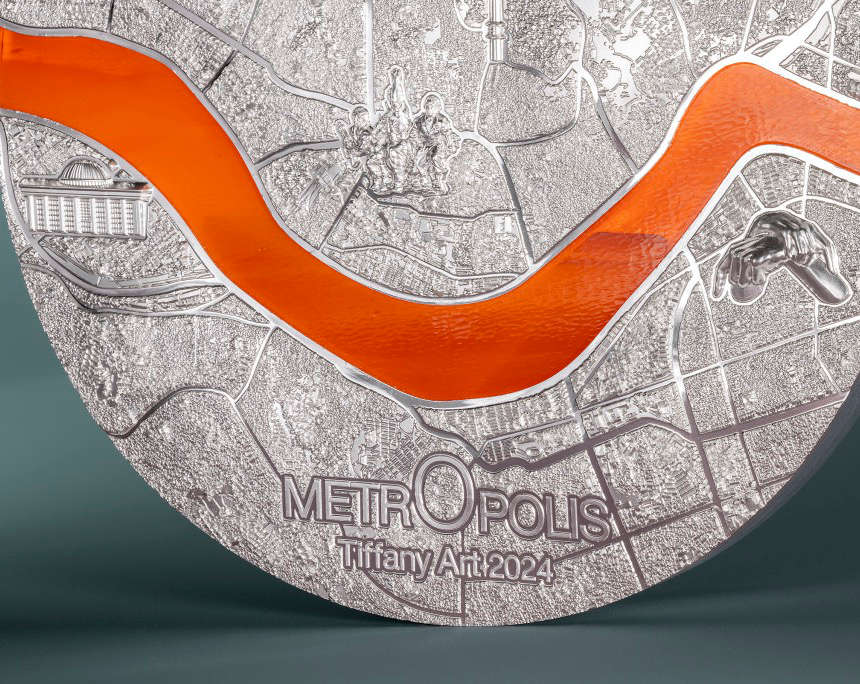
CIT’s Tiffany Art Metropolis – Seoul
CIT dedicates its fourth issue of the Tiffany Art Metropolis series to an Asian city. Following Paris, Rome and London, in 2024 CIT presents the metropolis of Seoul on the Han River.
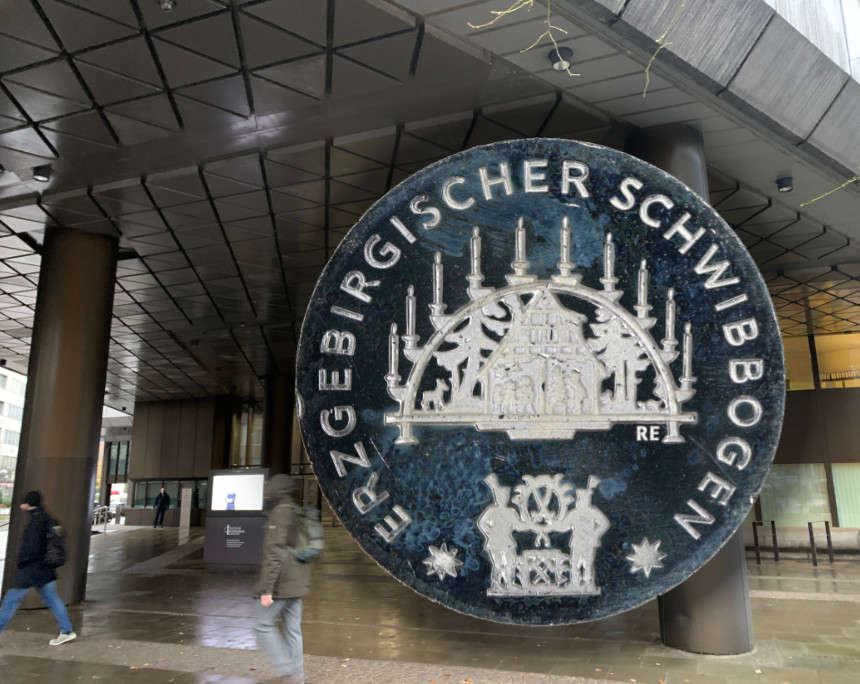
German Collector Coins – Where Are the Collectors?
Every few months, Germany’s latest collector coins can be bought at face value at the counters of the Bundesbank. Sebastian Wieschowski has been on site as a collector and roving reporter for many years. He wonders: why do fewer and fewer coin enthusiasts want to be there when new additions to their own collections are being released?
Archive: Coins, Medals and more
 https://new.coinsweekly.com/wp-content/uploads/2024/11/2024KW46HA1_00.jpg
684
860
Lucie Loechel
https://new.coinsweekly.com/wp-content/uploads/2023/01/logo-coinsweekly_590x204.png
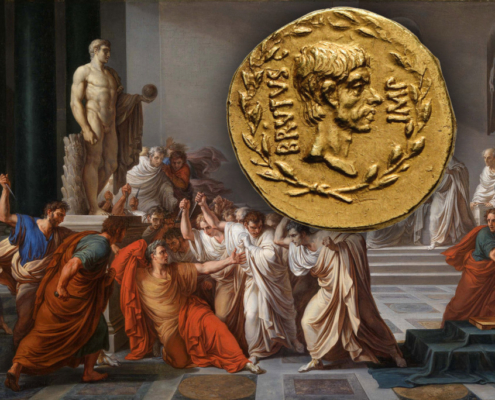
Lucie Loechel2024-11-14 10:03:272024-11-14 10:11:12The Eve of the Battle of Philippi: An Aureus Featuring the Portrait of Brutus
https://new.coinsweekly.com/wp-content/uploads/2024/11/2024KW46HA1_00.jpg
684
860
Lucie Loechel
https://new.coinsweekly.com/wp-content/uploads/2023/01/logo-coinsweekly_590x204.png
Lucie Loechel2024-11-14 10:03:272024-11-14 10:11:12The Eve of the Battle of Philippi: An Aureus Featuring the Portrait of Brutus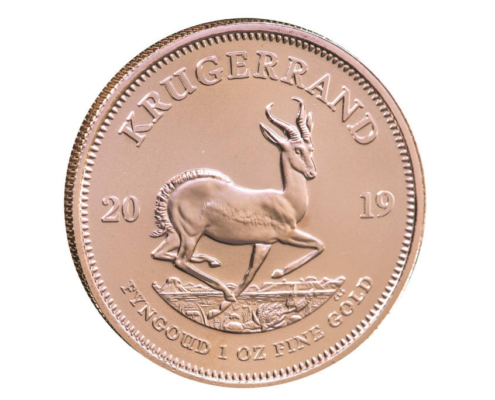 https://new.coinsweekly.com/wp-content/uploads/2025/04/2025KW16HA03_00.jpg
684
860
Lucie Loechel
https://new.coinsweekly.com/wp-content/uploads/2023/01/logo-coinsweekly_590x204.png
Lucie Loechel2025-04-17 08:26:292025-04-17 11:49:37The Birth of the Krugerrand
https://new.coinsweekly.com/wp-content/uploads/2025/04/2025KW16HA03_00.jpg
684
860
Lucie Loechel
https://new.coinsweekly.com/wp-content/uploads/2023/01/logo-coinsweekly_590x204.png
Lucie Loechel2025-04-17 08:26:292025-04-17 11:49:37The Birth of the Krugerrand
Trump’s Influence? United States Mint Removes Commemorative Medal from Store
The United States Mint has removed a commemorative medal honouring the police officers who defended the Capitol during the attack on 6 January 2021 from its website, sparking criticism.
Elagabalus’ New Transgender Identity and Its Consequences on the Coin Trade
The North Hertfordshire Museum has pulled off an ingenious PR coup: the institution publicly announced that they will no longer refer to Elagabalus as “he” but as “she”. Ursula Kampmann explores how this might affect the coin trade.