






Archive: People and Markets
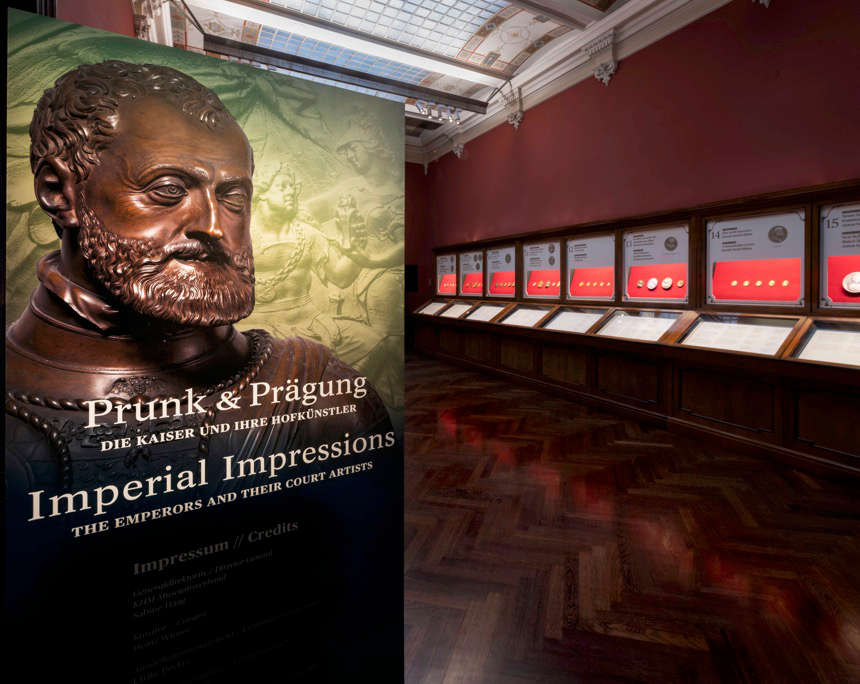
Imperial Impressions – New Exhibition at the Kunsthistorisches Museum in Vienna
A new temporary exhibition at the Kunsthistorisches Museum Vienna is exploring medals as a form of art and a tool of courtly representation for the House of Habsburg. The focus is also on the court medalists.
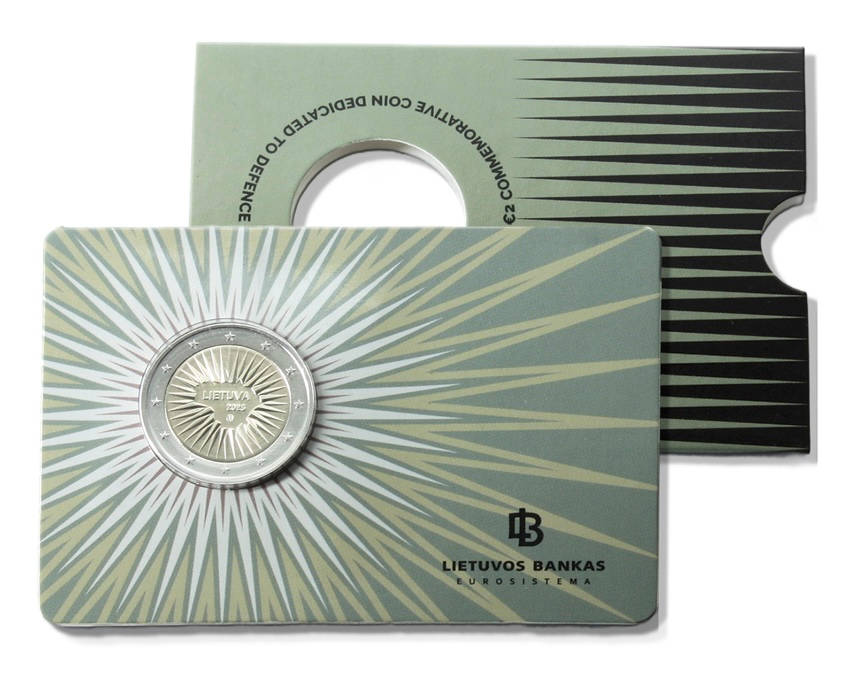
2-Euro Ticker: New €2 Coins in March 2025
Rumours about upcoming small-state euro issues are creating a buzz – and the collector year 2026 is already casting its numismatic shadow.
Archive: Coins, Medals and more
 https://new.coinsweekly.com/wp-content/uploads/2024/04/00-2024KW17aHauptartikel.jpeg
684
860
Sebastian Wieschowski
https://new.coinsweekly.com/wp-content/uploads/2023/01/logo-coinsweekly_590x204.png
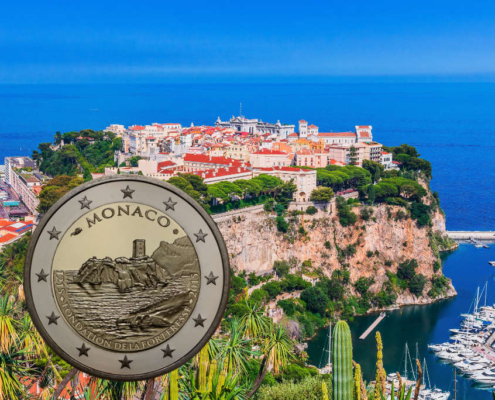
Sebastian Wieschowski2024-04-25 07:00:362024-04-25 07:52:37A Numismatic Journey Through the Principality of Monaco
https://new.coinsweekly.com/wp-content/uploads/2024/04/00-2024KW17aHauptartikel.jpeg
684
860
Sebastian Wieschowski
https://new.coinsweekly.com/wp-content/uploads/2023/01/logo-coinsweekly_590x204.png
Sebastian Wieschowski2024-04-25 07:00:362024-04-25 07:52:37A Numismatic Journey Through the Principality of Monaco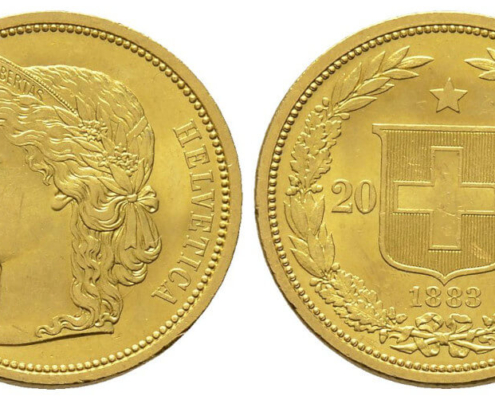 https://new.coinsweekly.com/wp-content/uploads/2023/06/00_CH-1883-20Fr.jpg
502
1000
Bruno
https://new.coinsweekly.com/wp-content/uploads/2023/01/logo-coinsweekly_590x204.png
Bruno2022-06-13 14:16:552023-06-29 11:02:58The Vreneli – A Swiss Icon
https://new.coinsweekly.com/wp-content/uploads/2023/06/00_CH-1883-20Fr.jpg
502
1000
Bruno
https://new.coinsweekly.com/wp-content/uploads/2023/01/logo-coinsweekly_590x204.png
Bruno2022-06-13 14:16:552023-06-29 11:02:58The Vreneli – A Swiss Icon
2023 American Medal of the Year Award
In 2023, the American Medal of the Year award goes to a medallist who paid tribute to Ukraine and its president. Two other medals were chosen as finalists.
Sir Winston Churchill at 150: Highlights From the J. Eric Engstrom Medal Collection
Last November, Winston Churchill would have turned 150 years old. To mark the occasion, the Heberden Coin Room at the Ashmolean is displaying pieces from their rich collection of medals related to Churchill, most of which come from the J. Eric Engstrom Collection of Churchill Medals.