







Archive: People and Markets
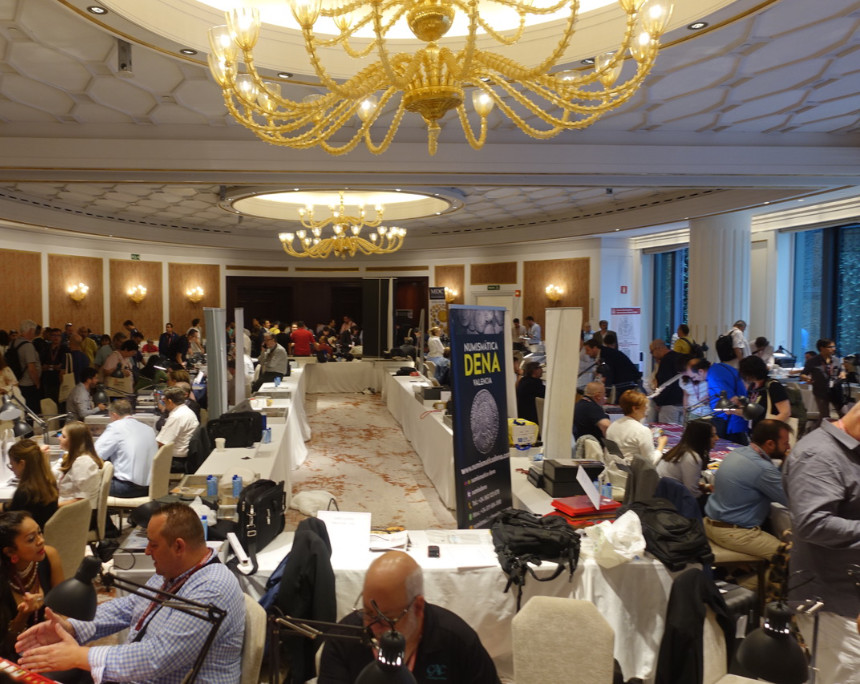
A Celebration of Spanish Numismatics
On 28 and 29 June 2024, the first Evento Numismático Internacional was held in Madrid. Dealers and collectors had high expectations – and the event exceeded them. The atmosphere in Madrid was one of exceptional excitement.
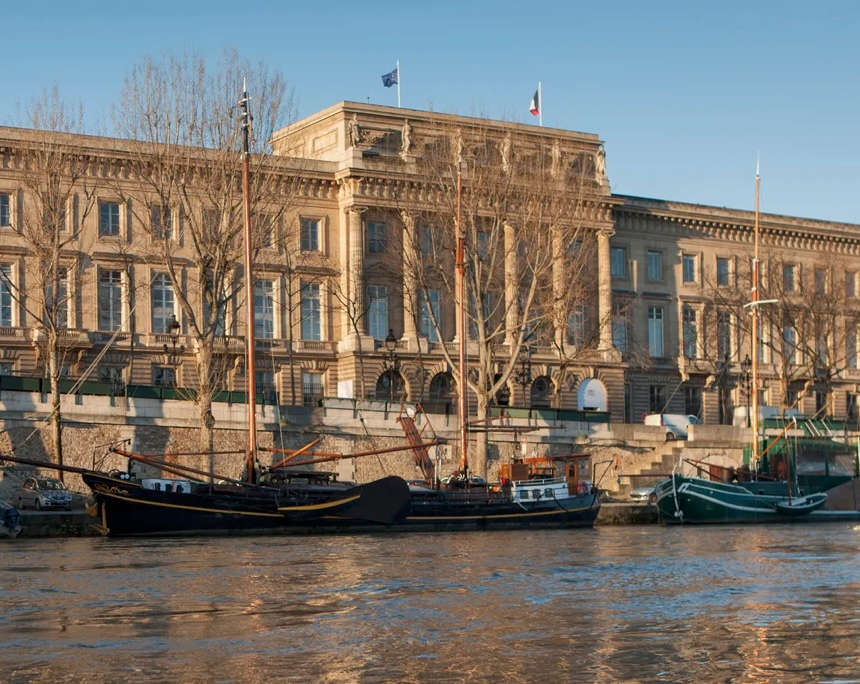
Employees of Monnaie de Paris Launch Petition to Protect Their Site
“Hands off Monnaie de Paris” – with this clear message, Rodolphe Krempp, Deputy Sales Director at Monnaie de Paris, reached out to his contacts on the business network LinkedIn over the weekend.
Archive: Coins, Medals and more
 https://new.coinsweekly.com/wp-content/uploads/2025/04/2025KW16HA03_00.jpg
684
860
Lucie Loechel
https://new.coinsweekly.com/wp-content/uploads/2023/01/logo-coinsweekly_590x204.png
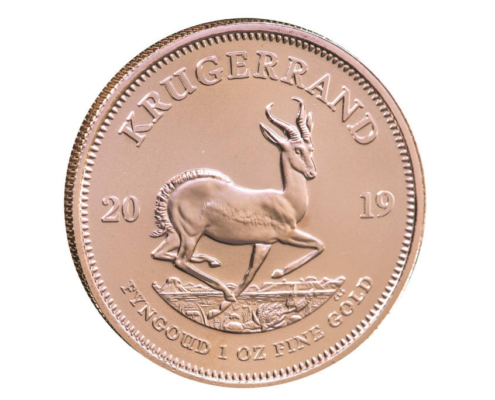
Lucie Loechel2025-04-17 08:26:292025-04-17 11:49:37The Birth of the Krugerrand
https://new.coinsweekly.com/wp-content/uploads/2025/04/2025KW16HA03_00.jpg
684
860
Lucie Loechel
https://new.coinsweekly.com/wp-content/uploads/2023/01/logo-coinsweekly_590x204.png
Lucie Loechel2025-04-17 08:26:292025-04-17 11:49:37The Birth of the Krugerrand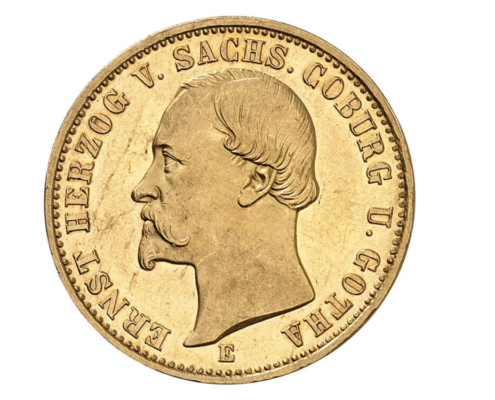 https://new.coinsweekly.com/wp-content/uploads/2023/05/2023KW21HA00.jpg
750
1000
Ursula Kampmann
https://new.coinsweekly.com/wp-content/uploads/2023/01/logo-coinsweekly_590x204.png
Ursula Kampmann2023-05-25 09:00:382023-06-27 11:24:32From Taler to Mark: The Long Road to a Common Currency
https://new.coinsweekly.com/wp-content/uploads/2023/05/2023KW21HA00.jpg
750
1000
Ursula Kampmann
https://new.coinsweekly.com/wp-content/uploads/2023/01/logo-coinsweekly_590x204.png
Ursula Kampmann2023-05-25 09:00:382023-06-27 11:24:32From Taler to Mark: The Long Road to a Common Currency
2-Euro Ticker: New 2-Euro Coins in August 2024
The 2-euro world is in a summer slump: only two new coins will be released in August, but there is good news for price-conscious collectors – interesting details were released about the issues of the coming months.
Museum of American Finance to Display Collection Highlights at IMEX
The Museum of American Finance will display some of their most important documents at the International Money Exposition (IMEX) in Nashville. See some of the collection highlights here.