







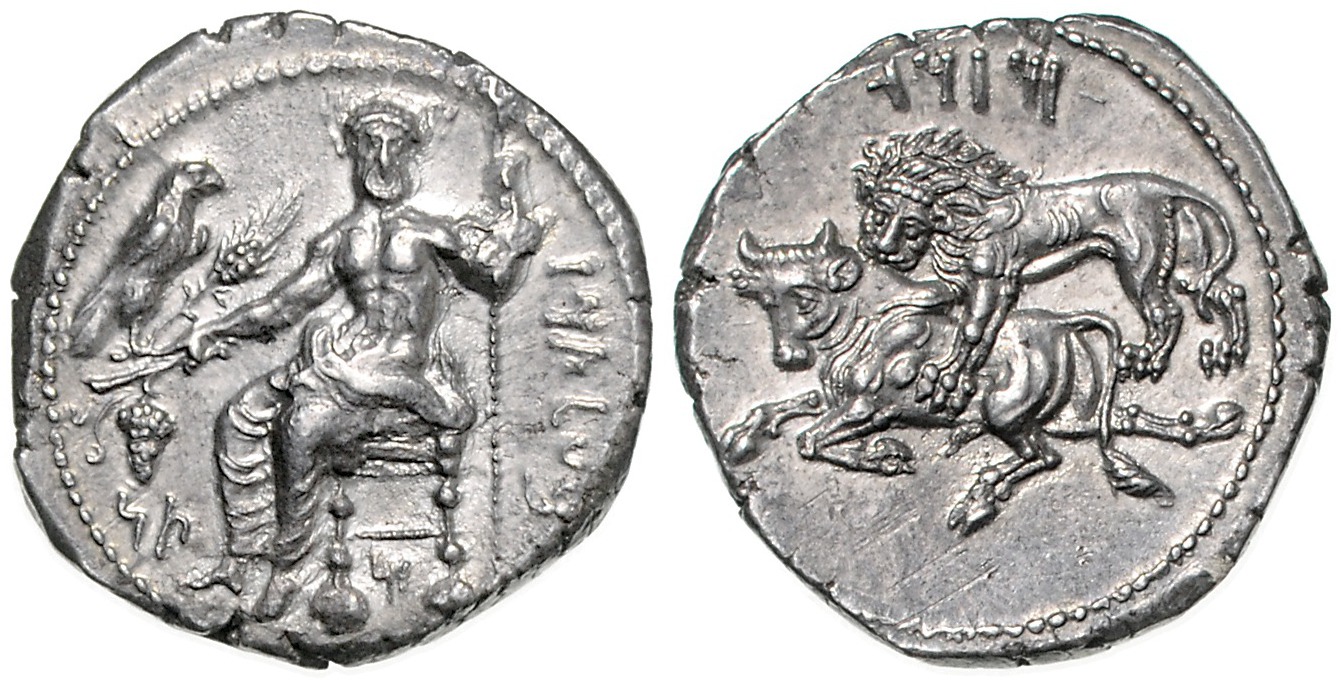
Persian satrap Mazzaios.
AR Stater (361-334 BC)
with Baal of Tarsus.
Condition: ef.
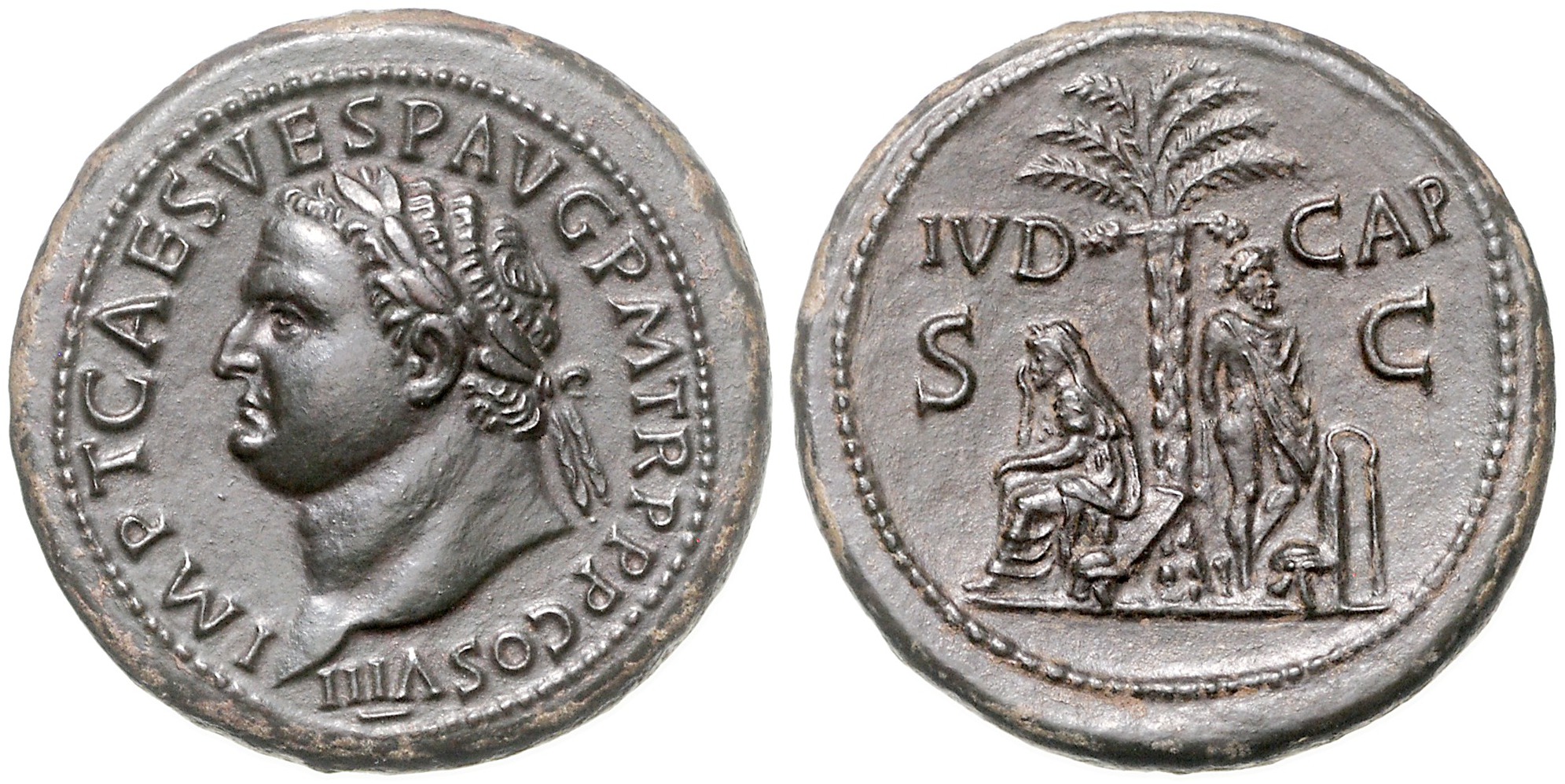
AE Sestertius (AD 80–81), Rome.
"Judaea Capta" type.
Condition: rare, ef.
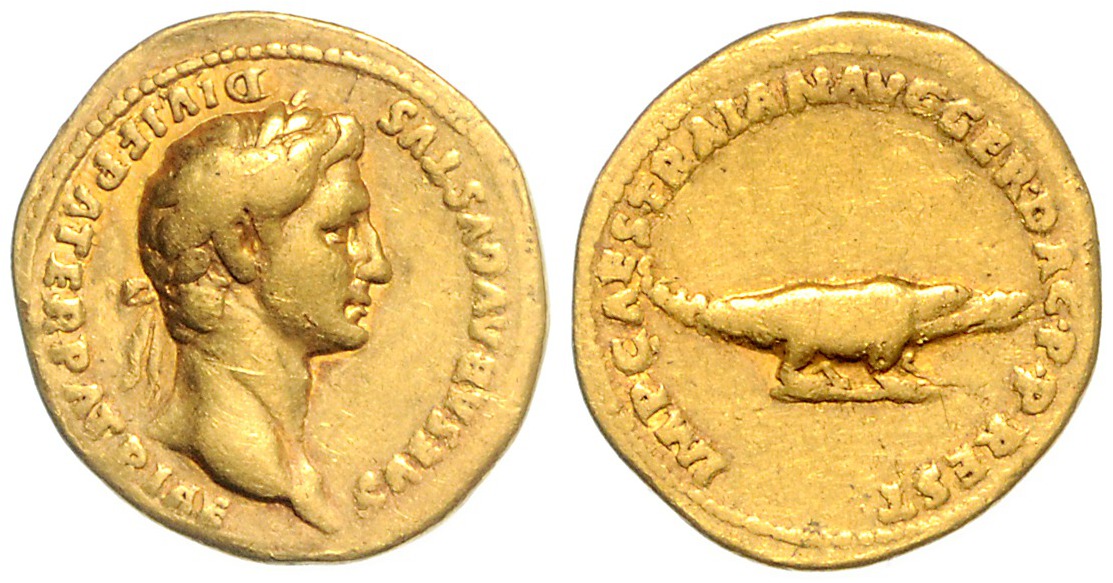
AV Aureus (AD 107–113), Rome.
Restitution issue honoring Augustus.
Condition: extremely rare, near vf.
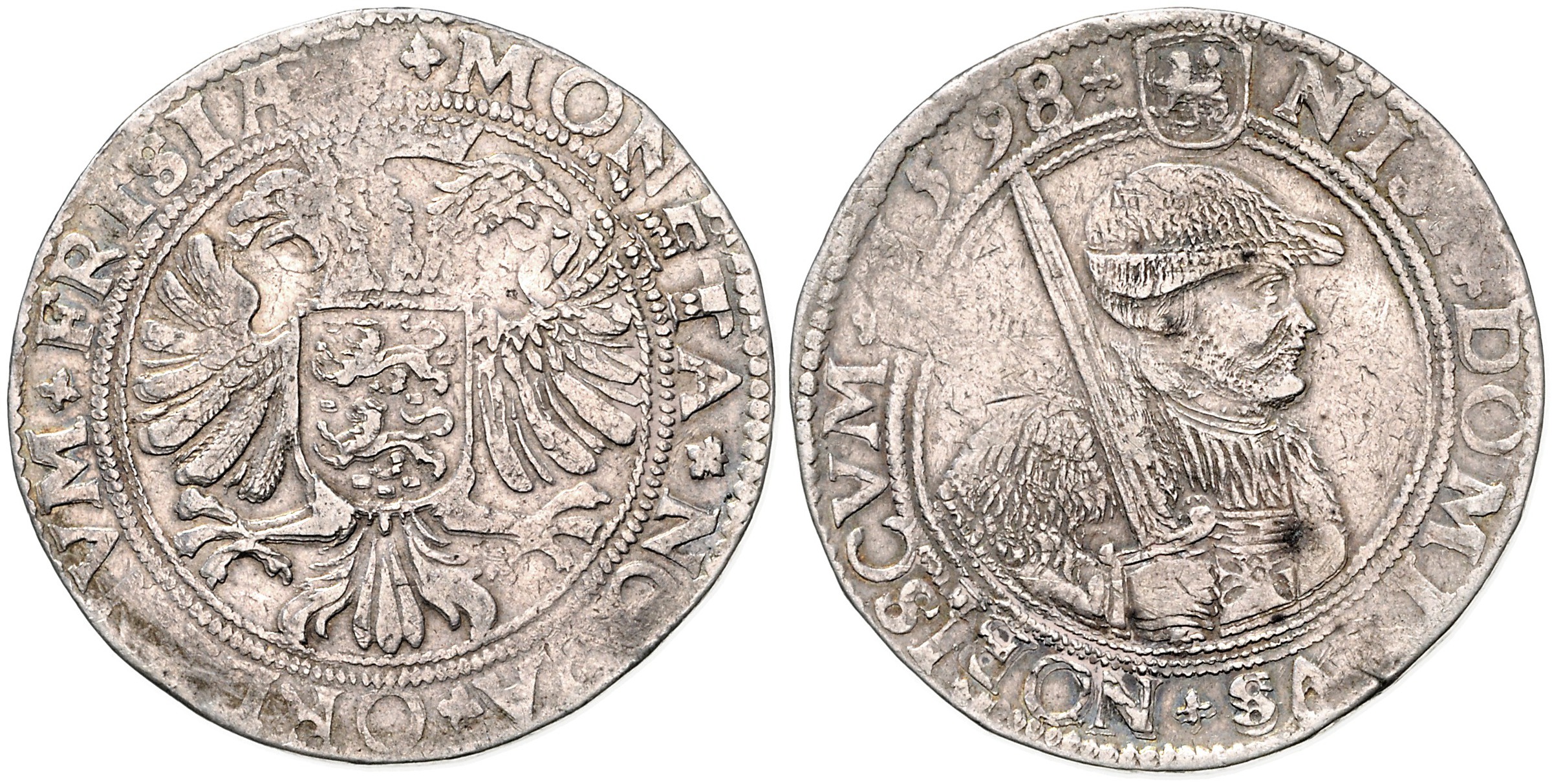
Arendsrijksdaalder (Eagle Rixdollar), 1598.
Condition: very rare, vf.
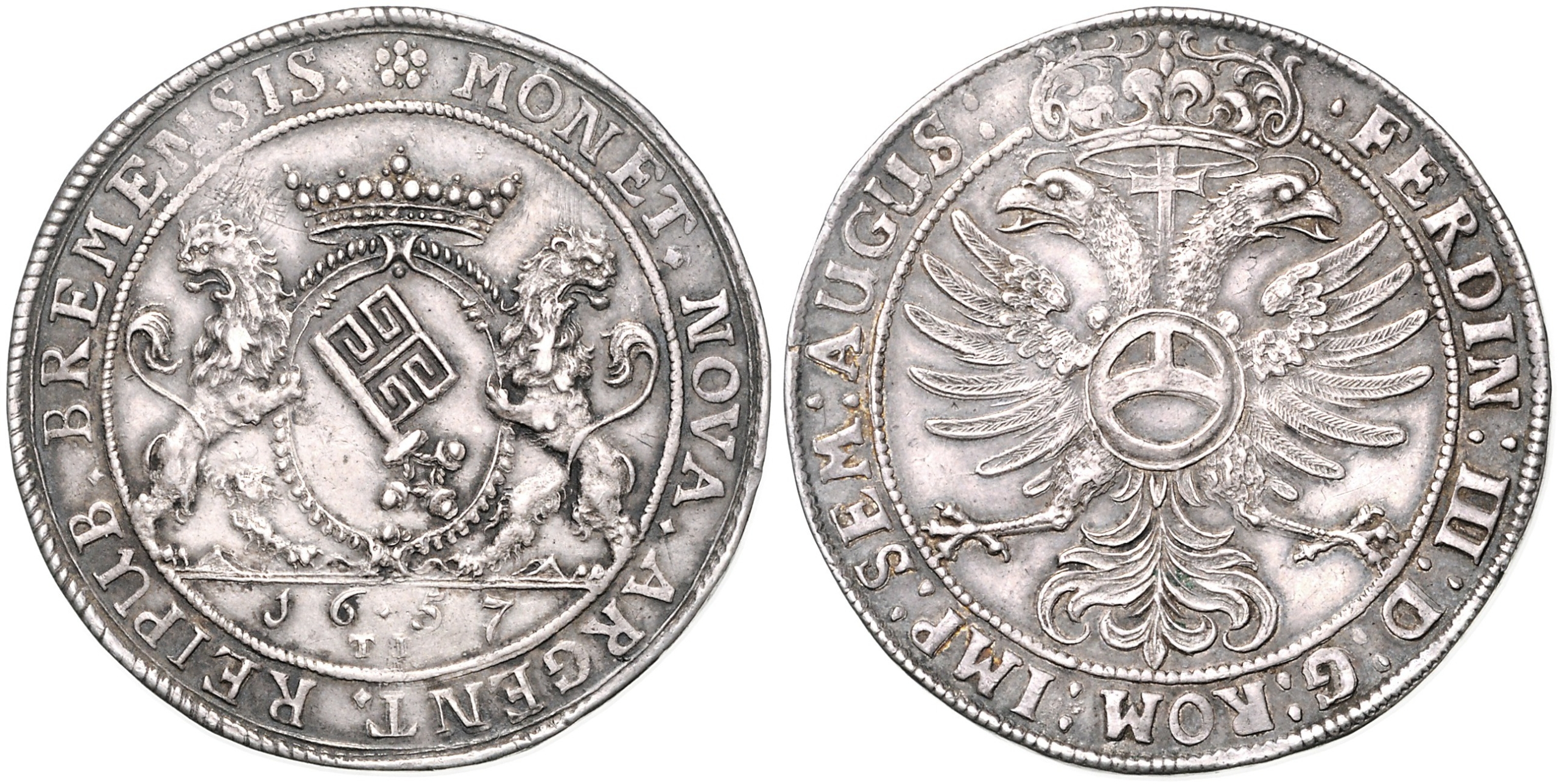
Thaler, 1657.
Bearing the title of Ferdinand III.
Condition: near ef/ef.
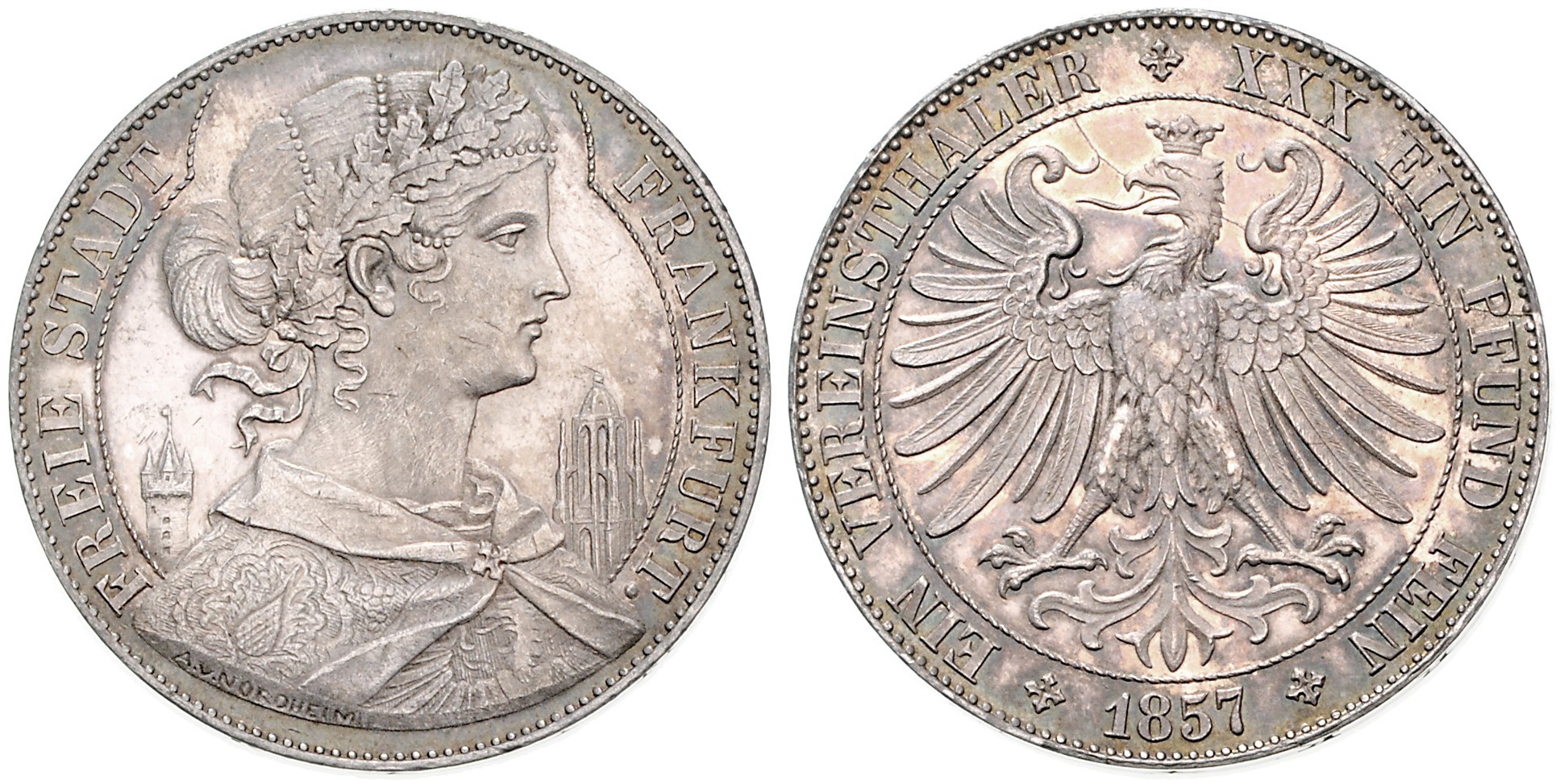
Vereinstaler 1857.
Condition: attr. piece, first strike.
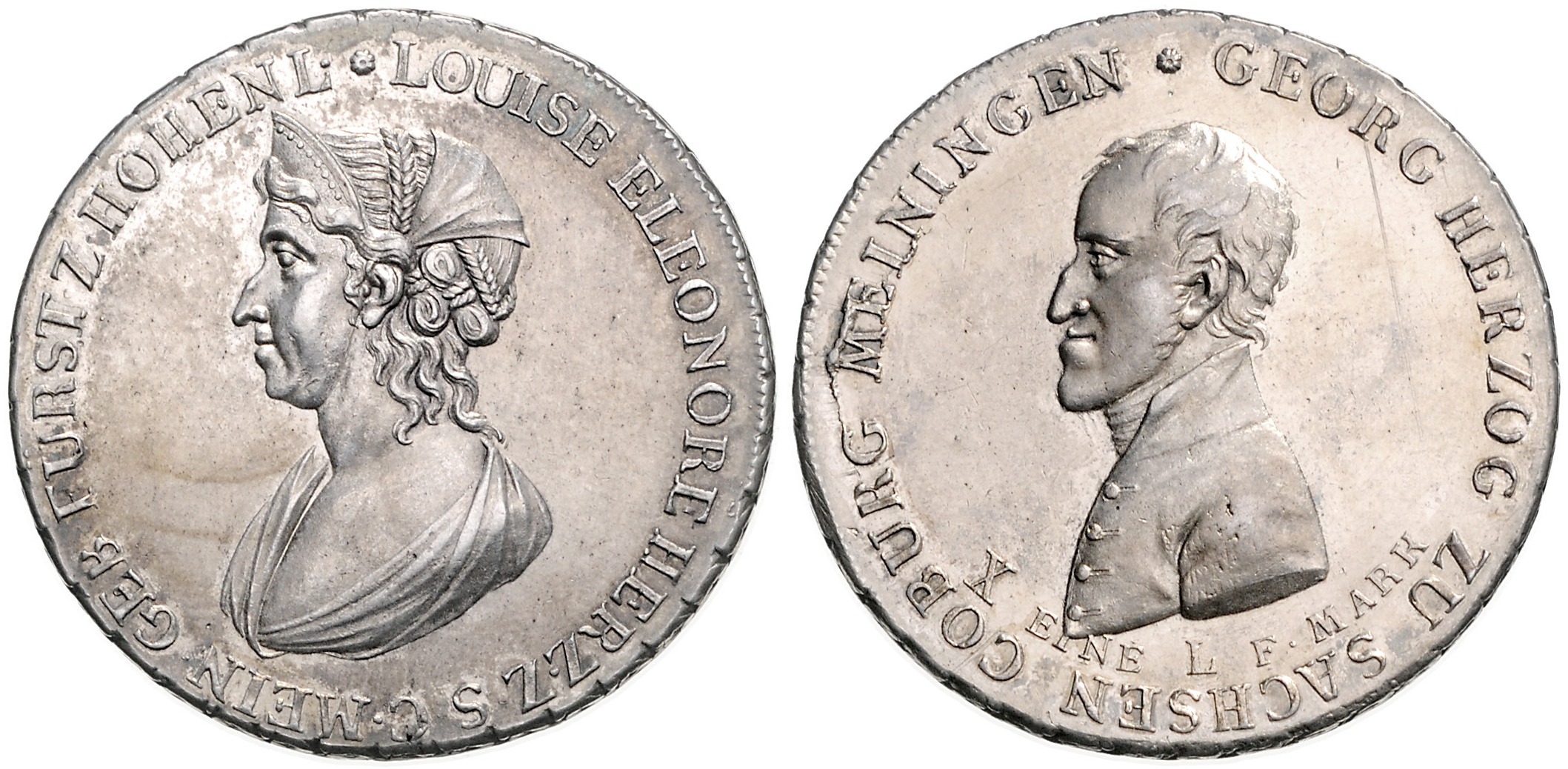
Convention thaler, n.d. (after 1803),
issued on the death of Duke Georg.
Condition: extremely rare, unc.
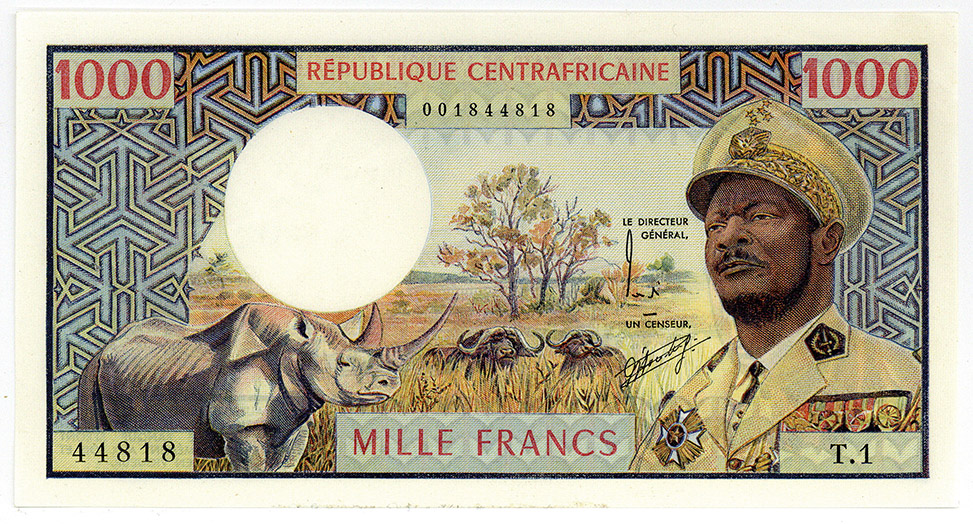
Banque des États de l'Afrique Centrale,
1000 francs 1974.
Condition: I-.
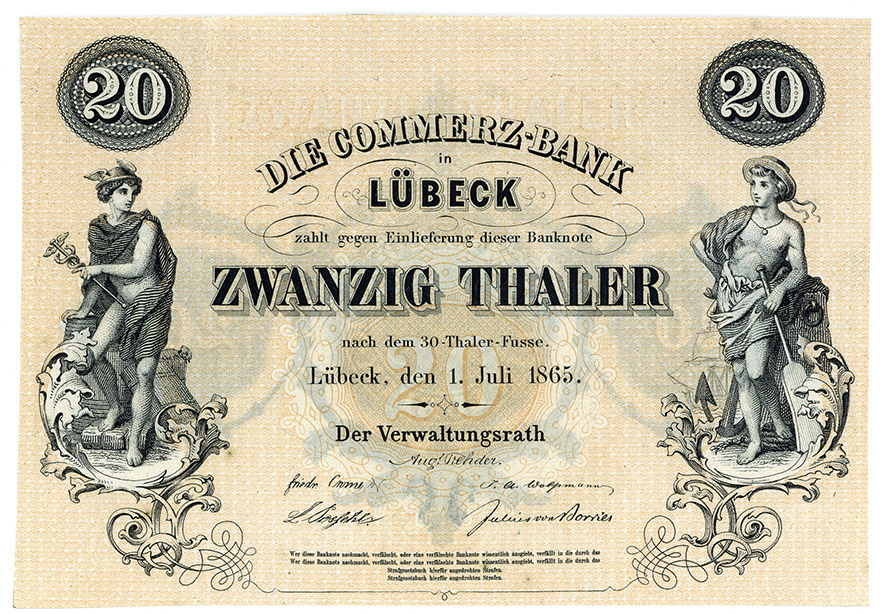
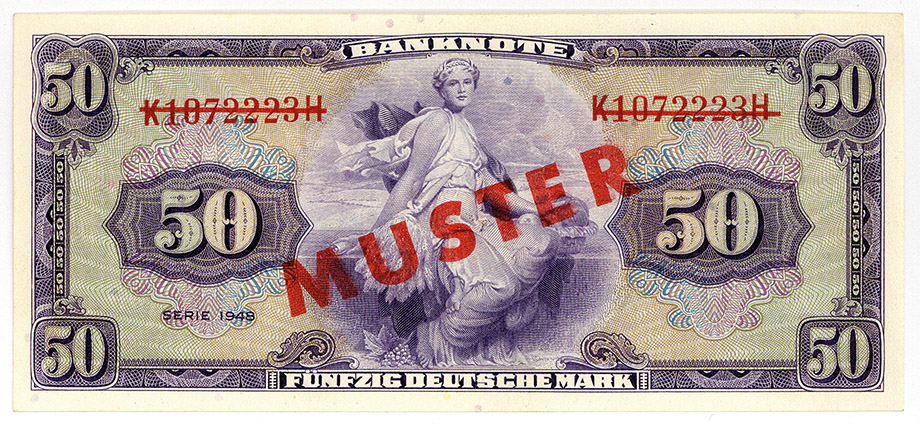
Archive: People and Markets
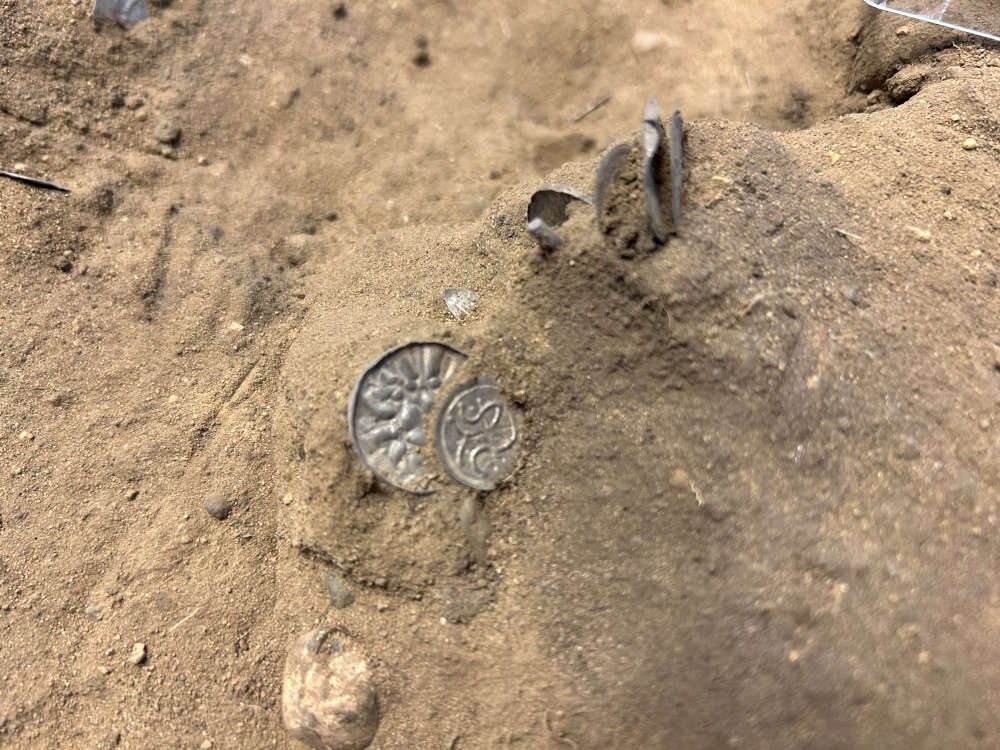
Hobby Detectorists Find Viking Treasures
Two coin hoards from Viking times were found by detectorists in Denmark at once. The coins by Harald Bluetooth tell of a dramatic period and led researchers to the sensational find of a settlement area.
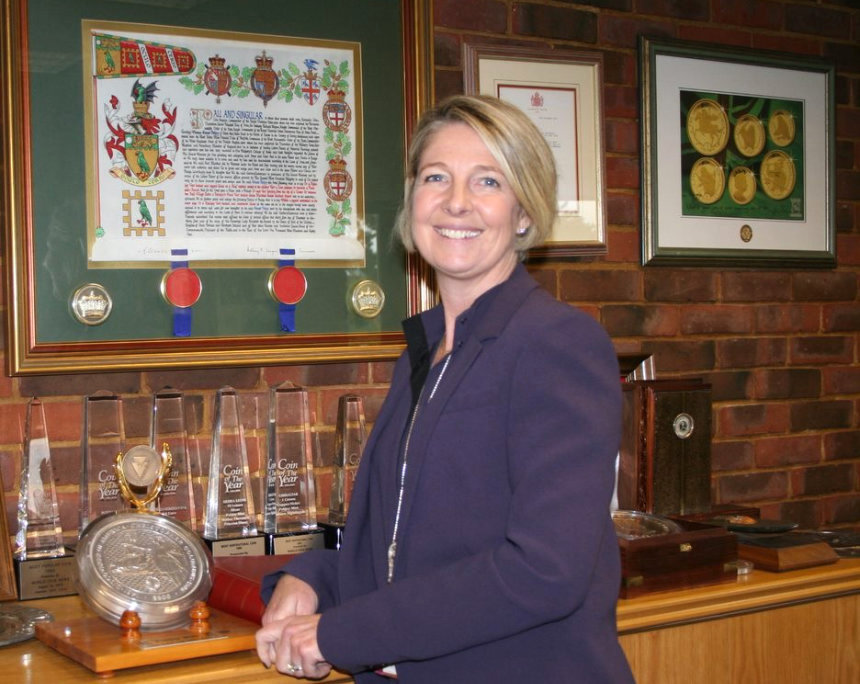
Pobjoy Mint to Close Their Doors at the End of the Year
Pobjoy Mint, an icon of Non-Circulating Legal Tender manufacturing have announced they will close their doors. This does not come as a surprise for those who know the market. Ursula Kampmann comments.
Archive: Coins, Medals and more
 https://new.coinsweekly.com/wp-content/uploads/2024/10/2024KW40HA2_00.jpg
684
860
Bruno
https://new.coinsweekly.com/wp-content/uploads/2023/01/logo-coinsweekly_590x204.png
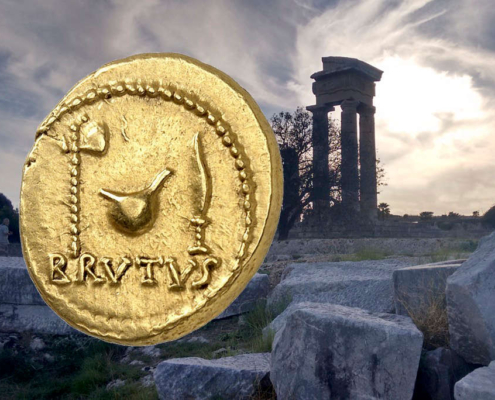
Bruno2024-10-02 13:24:392024-10-15 09:16:49Gold from Rhodes for the Battle for Rome
 https://new.coinsweekly.com/wp-content/uploads/2025/01/2025KW05HA01_00.jpg
684
860
Lucie Loechel
https://new.coinsweekly.com/wp-content/uploads/2023/01/logo-coinsweekly_590x204.png
Lucie Loechel2025-01-29 10:30:092025-01-30 07:13:21Record! South African Rarity Leaves All Previous Top Prices Far Behind

2-Euro Ticker: New 2-Euro Coins in July 2024
Croatia excites 2-euro collectors with a new city series – and significant improvements in minting quality. Portugal’s online shop has not been running smoothly.
How the Romans Made Counterfeits
Counterfeits have been around in ancient Roman times, too – usually, they were cast from a copper-tin alloy. Researchers at the University of Tübingen examined the counterfeiting process and reconstructed it experimentally. A video documents their experiment.