







Archive: People and Markets
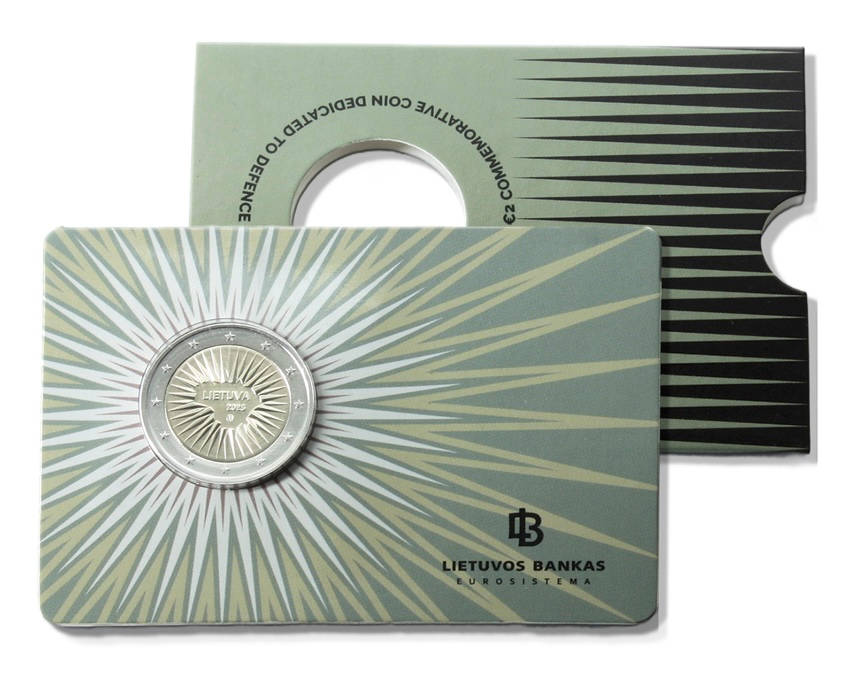
2-Euro Ticker: New €2 Coins in March 2025
Rumours about upcoming small-state euro issues are creating a buzz – and the collector year 2026 is already casting its numismatic shadow.
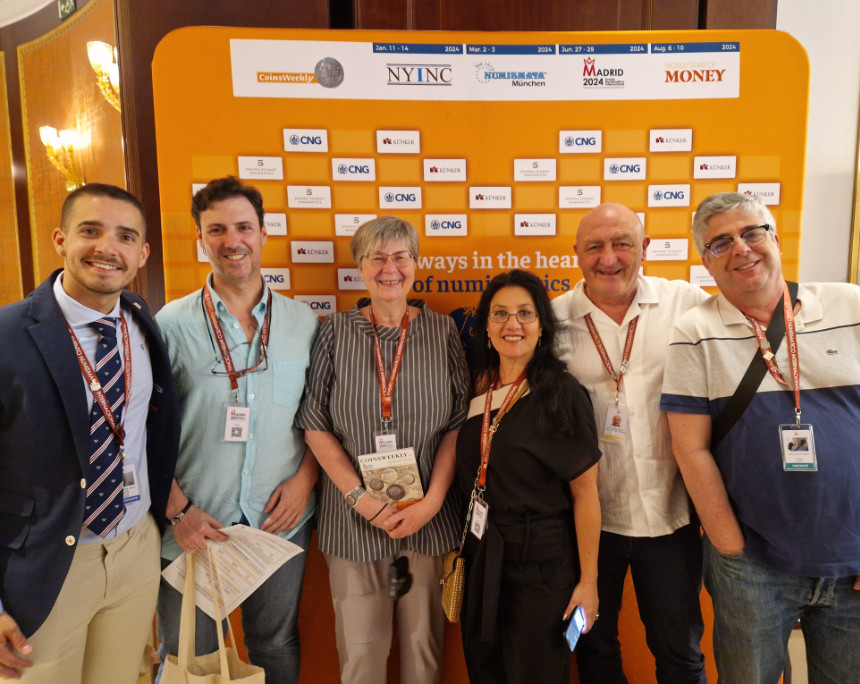
NUMMUS – Spain’s New Numismatic Society
In March 2024, a new numismatic association was created in Spain with a strong commitment to private collectors as agents of cultural generation and heritage conservation. Find out more about the aims of NUMMUS here.
Archive: Coins, Medals and more
 https://new.coinsweekly.com/wp-content/uploads/2024/03/2024KW10HA_00.jpg
684
860
Ursula Kampmann
https://new.coinsweekly.com/wp-content/uploads/2023/01/logo-coinsweekly_590x204.png
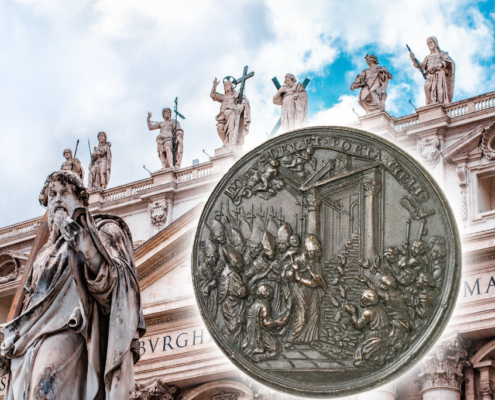
Ursula Kampmann2024-03-07 11:39:512024-03-07 14:21:30Coins and Medals of the Popes: Representatives of the Catholic Church
https://new.coinsweekly.com/wp-content/uploads/2024/03/2024KW10HA_00.jpg
684
860
Ursula Kampmann
https://new.coinsweekly.com/wp-content/uploads/2023/01/logo-coinsweekly_590x204.png
Ursula Kampmann2024-03-07 11:39:512024-03-07 14:21:30Coins and Medals of the Popes: Representatives of the Catholic Church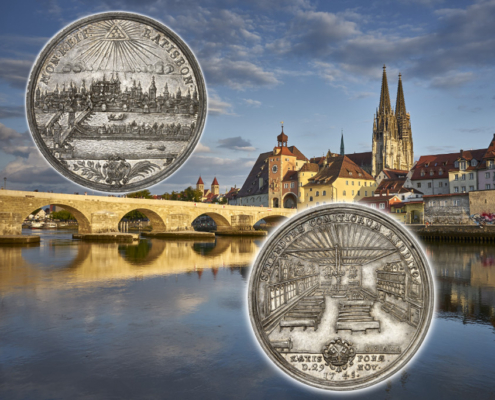 https://new.coinsweekly.com/wp-content/uploads/2024/03/2024KW12HA_00.jpg
684
860
Ursula Kampmann
https://new.coinsweekly.com/wp-content/uploads/2023/01/logo-coinsweekly_590x204.png
Ursula Kampmann2024-03-14 11:47:492024-03-14 11:57:08Regensburg: Where the Emperor and the Empire Met
https://new.coinsweekly.com/wp-content/uploads/2024/03/2024KW12HA_00.jpg
684
860
Ursula Kampmann
https://new.coinsweekly.com/wp-content/uploads/2023/01/logo-coinsweekly_590x204.png
Ursula Kampmann2024-03-14 11:47:492024-03-14 11:57:08Regensburg: Where the Emperor and the Empire Met
ANA Money Museum Offers Free Classes for Children
The ANA offers opportunities for kids to learn about money through free activities at the Money Museum in Colorado Springs.
New Collector Coin by Swissmint: St. Nicholas
Christmas spirit at the Swissmint: on 27 November 2024, the latest swiss silver coin, St. Nicholas, was issued in honor of the traditional St. Nicholas processions on 6 December.