











Archive: People and Markets
US Coin Dealer Robbed in Madrid
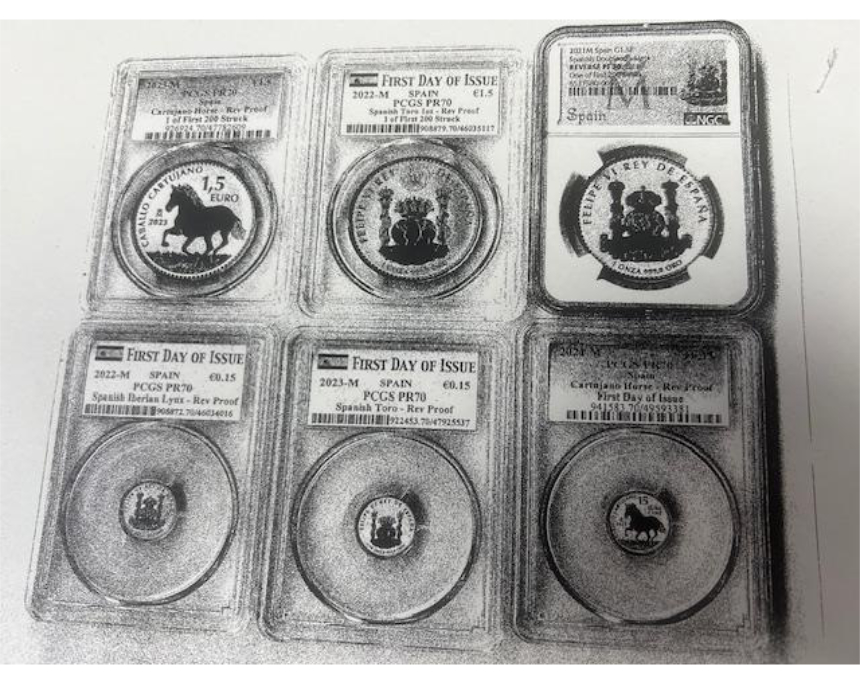
The Numismatic Crime Information Center notified us that Don Kagin was the victim of a theft that occurred in a shop in Madrid, Spain. Find out more about the stolen coins and the thieves’ modus operandi here.
Directory of Circulating Coins – 4th Edition is Now Available
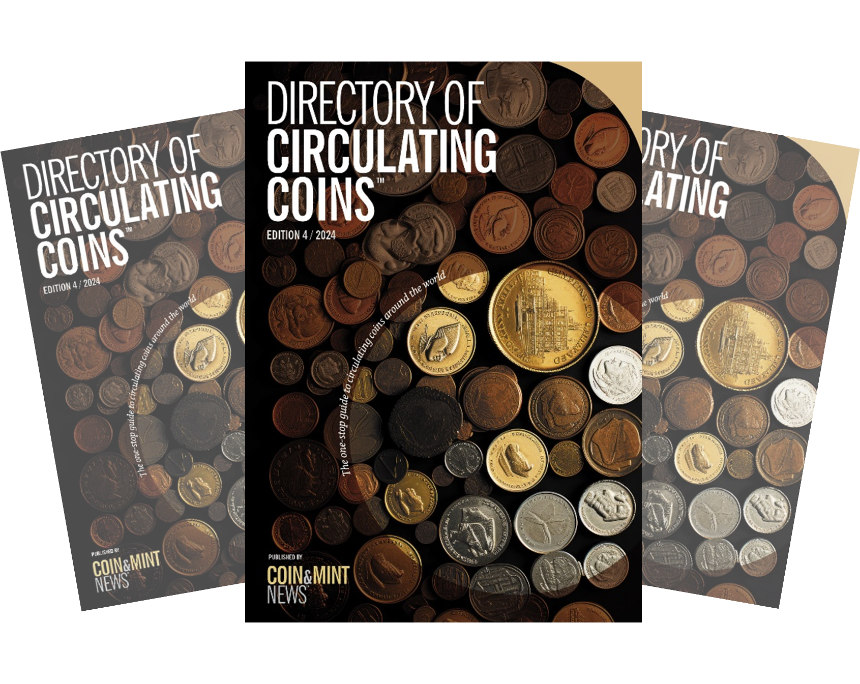
The fourth edition of the Directory of Circulating Coins has been published. Five years after the last edition, the useful reference book for current circulation coins is now up to date again.
Archive: Coins, Medals and more
 https://new.coinsweekly.com/wp-content/uploads/2024/12/2024KW49HA_00.jpg
684
860
Lucie Loechel
https://new.coinsweekly.com/wp-content/uploads/2023/01/logo-coinsweekly_590x204.png
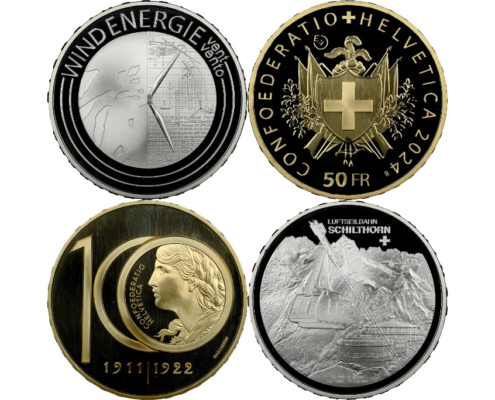
Lucie Loechel2024-12-05 06:00:382024-12-05 13:32:34Swissmint Patterns at Numismatica Genevensis SA
https://new.coinsweekly.com/wp-content/uploads/2024/12/2024KW49HA_00.jpg
684
860
Lucie Loechel
https://new.coinsweekly.com/wp-content/uploads/2023/01/logo-coinsweekly_590x204.png
Lucie Loechel2024-12-05 06:00:382024-12-05 13:32:34Swissmint Patterns at Numismatica Genevensis SA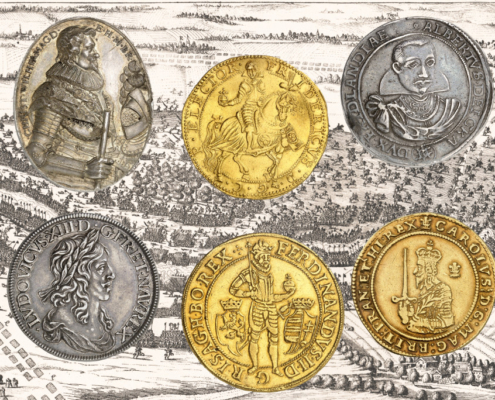 https://new.coinsweekly.com/wp-content/uploads/2024/09/2024KW37HA_00.jpg
684
860
Ursula Kampmann
https://new.coinsweekly.com/wp-content/uploads/2023/01/logo-coinsweekly_590x204.png
Ursula Kampmann2024-09-12 10:23:452024-09-12 10:23:45The Protagonists of the Thirty Years’ War: A Slightly Different Preview of Künker’s Auction 410
https://new.coinsweekly.com/wp-content/uploads/2024/09/2024KW37HA_00.jpg
684
860
Ursula Kampmann
https://new.coinsweekly.com/wp-content/uploads/2023/01/logo-coinsweekly_590x204.png
Ursula Kampmann2024-09-12 10:23:452024-09-12 10:23:45The Protagonists of the Thirty Years’ War: A Slightly Different Preview of Künker’s Auction 410
2024 Huntington Award Presented to William E. Metcalf
At the 167th Annual Meeting of the American Numismatic Society, the Archer M. Huntington Award was presented to Dr. William E. Metcalf, honoring his tremendous contributions to Roman and Byzantine numismatics.
Greek Museums Between Commercialisation and Modernisation
Five of Greece’s most important museums are to become more autonomous and operate independently of state funding. A bill of the Greek government to this effect has been hotly debated and led to strikes.