











Archive: People and Markets
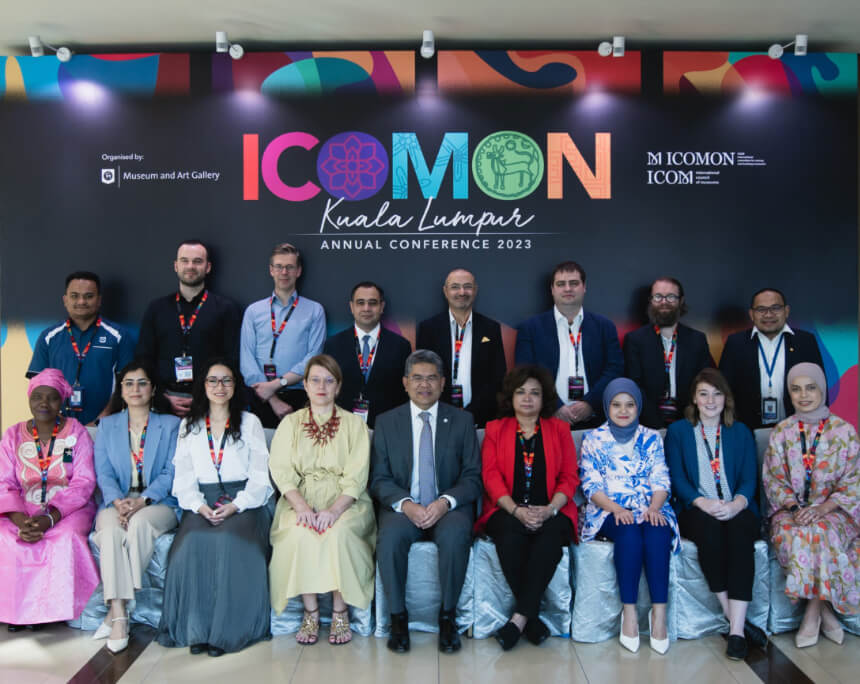
Report of the ICOMON 29th Annual Conference in Kuala Lumpur
The 2023 ICOMON conference was held in Malaysia. Read here about the program, the topics presented and discussed, and where you can watch the presentations online.
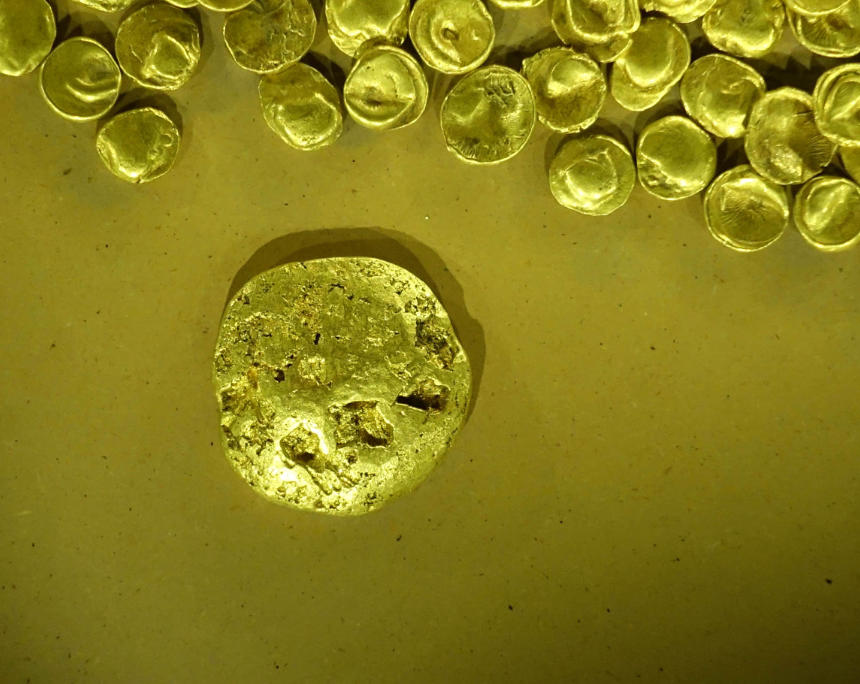
Celtic Coin Hoard Melted Down into Lumps
Six months ago, a Celtic gold treasure was stolen in a burglary at the kelten römer museum Manching, Germany. Now the police have announced success in apprehending four suspected criminals.
Archive: Coins, Medals and more
 https://new.coinsweekly.com/wp-content/uploads/2024/11/2024KW45HA2_00.jpg
684
860
Bruno
https://new.coinsweekly.com/wp-content/uploads/2023/01/logo-coinsweekly_590x204.png
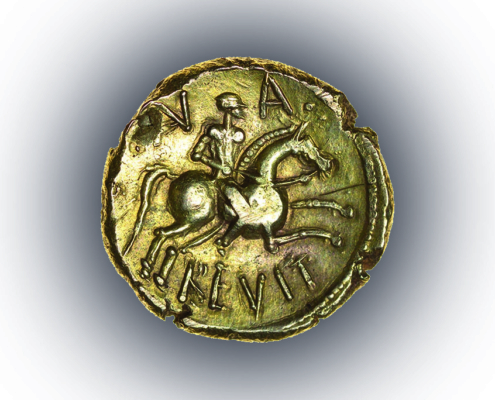
Bruno2024-11-07 07:54:412024-11-07 13:16:47Was Anarevito a Slave Trader?
https://new.coinsweekly.com/wp-content/uploads/2024/11/2024KW45HA2_00.jpg
684
860
Bruno
https://new.coinsweekly.com/wp-content/uploads/2023/01/logo-coinsweekly_590x204.png
Bruno2024-11-07 07:54:412024-11-07 13:16:47Was Anarevito a Slave Trader?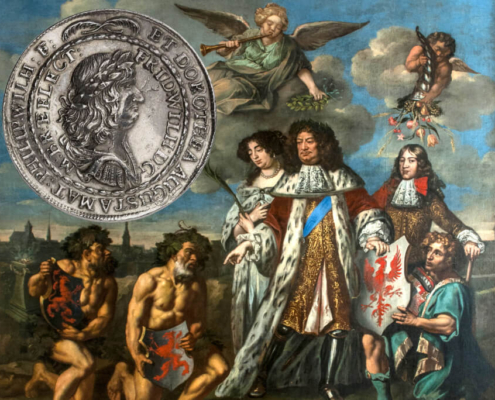 https://new.coinsweekly.com/wp-content/uploads/2023/12/2023KW51HA_00.jpg
684
860
Ursula Kampmann
https://new.coinsweekly.com/wp-content/uploads/2023/01/logo-coinsweekly_590x204.png
Ursula Kampmann2023-12-21 09:39:422023-12-21 09:51:29The Great Elector, Taxes and the Rise of Prussia
https://new.coinsweekly.com/wp-content/uploads/2023/12/2023KW51HA_00.jpg
684
860
Ursula Kampmann
https://new.coinsweekly.com/wp-content/uploads/2023/01/logo-coinsweekly_590x204.png
Ursula Kampmann2023-12-21 09:39:422023-12-21 09:51:29The Great Elector, Taxes and the Rise of Prussia
Now available: Our CoinsWeekly Special Issue for the World Money Fair 2025
We usually publish our printed CoinsWeekly Special for the World Money Fair in German, as it is tailored to all the German visitors. This year, however, we decided to also offer an English version of the issue as a download for our international readers. We hope you enjoy reading it!
“Alexandria in Nummis”– Impressions from the Symposium in Lugano
On 20 and 21 September, the Circolo Numismatico Ticinese (CNT) held an international symposium in Lugano dedicated to the Roman Imperial Coinage of Alexandria. Fabrizio Rossini, CNT president, shares his impressions of the event.