











Archive: People and Markets
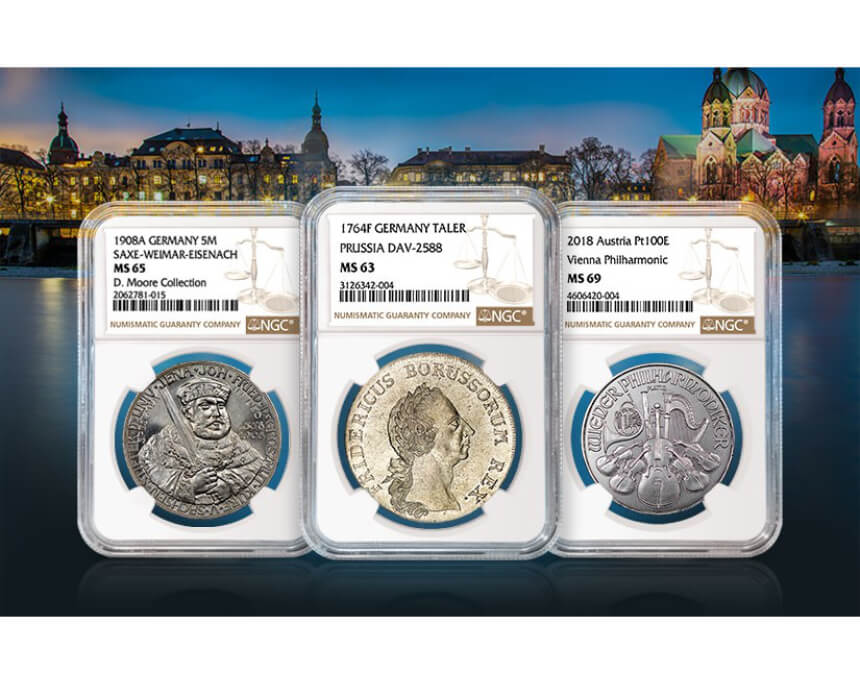
NGC Grading On-site in Munich in February
For the first time since 2019, NGC will be carrying out on-site coin grading at its office in Munich in February. Collectors and dealers have the opportunity to submit their treasures for grading at the World Money Fair in Berlin.
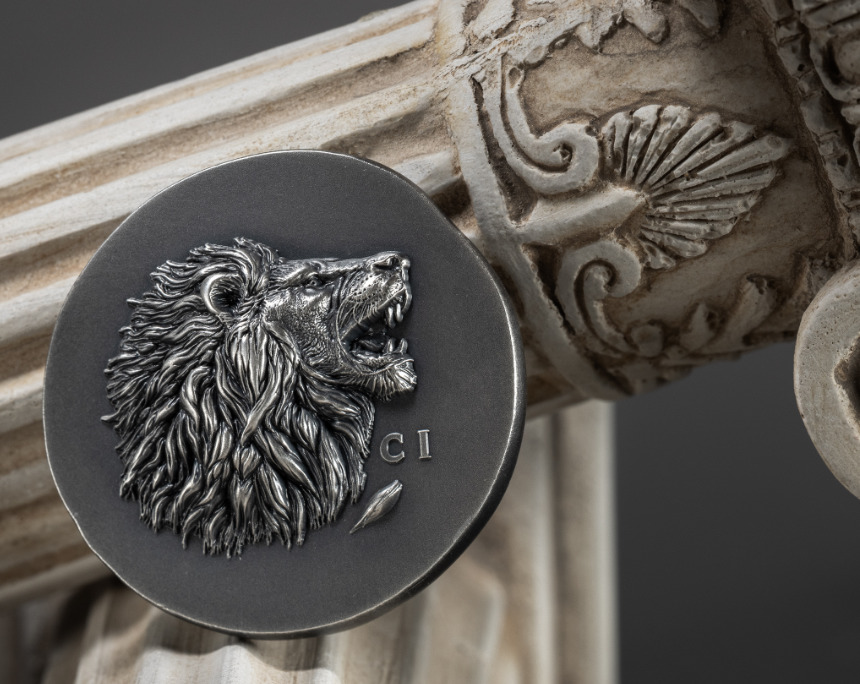
CIT’ Numismatic Icons – Leon
CIT is releasing the sixth issue in its successful Numismatic Icons series. It reinterprets the early tetradrachms of the Sicilian city of Leontinoi. The impressive motif of a lion’s head – ‘leon’ in Greek – has always made these coins unique.
Archive: Coins, Medals and more
 https://new.coinsweekly.com/wp-content/uploads/2024/09/2024KW39HA_00.jpg
684
860
Sebastian Wieschowski
https://new.coinsweekly.com/wp-content/uploads/2023/01/logo-coinsweekly_590x204.png
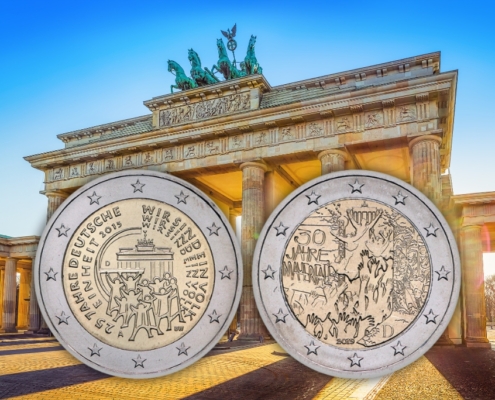
Sebastian Wieschowski2024-09-26 06:00:552024-09-26 09:25:24Unity Coin Sows Discord: More Than Just a Matter of Taste?
https://new.coinsweekly.com/wp-content/uploads/2024/09/2024KW39HA_00.jpg
684
860
Sebastian Wieschowski
https://new.coinsweekly.com/wp-content/uploads/2023/01/logo-coinsweekly_590x204.png
Sebastian Wieschowski2024-09-26 06:00:552024-09-26 09:25:24Unity Coin Sows Discord: More Than Just a Matter of Taste?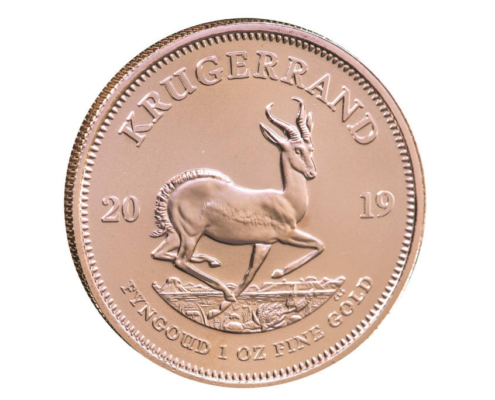 https://new.coinsweekly.com/wp-content/uploads/2025/04/2025KW16HA03_00.jpg
684
860
Lucie Loechel
https://new.coinsweekly.com/wp-content/uploads/2023/01/logo-coinsweekly_590x204.png
Lucie Loechel2025-04-17 08:26:292025-04-17 11:49:37The Birth of the Krugerrand
https://new.coinsweekly.com/wp-content/uploads/2025/04/2025KW16HA03_00.jpg
684
860
Lucie Loechel
https://new.coinsweekly.com/wp-content/uploads/2023/01/logo-coinsweekly_590x204.png
Lucie Loechel2025-04-17 08:26:292025-04-17 11:49:37The Birth of the Krugerrand
PNG 2023 Lifetime Achievement Award to Robert Brueggeman
Robert Brueggeman has been honored by the Professional Numismatists Guild with the 2023 Harvey G. Stack Lifetime Achievement Award. He was not the only numismatist to be honored with a PNG award.
Eisleben, Germany: Church Treasure Recovered After Almost 400 Years
What a find: last year, a hoard of 864 coins was discovered in a sandstone figure in a church in Eisleben, Germany. The coins were hidden there during the Thirty Years’ War and provide a rare insight into the currency in circulation at that time. A coin expert from the region tells us more about it.