







Archive: People and Markets
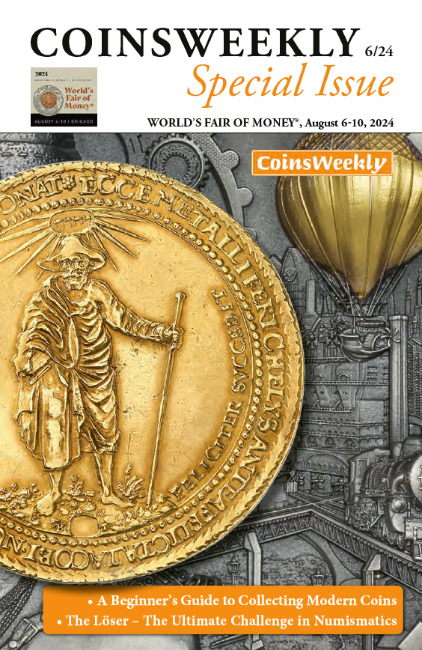
CoinsWeekly Special for the ANA World’s Fair of Money Chicago 2024
On the occasion of the ANA World’s Fair of Money in Chicago, we are publishing our sixth printed CoinsWeekly Special of 2024. It includes a helpful beginner’s guide to collecting modern coins.
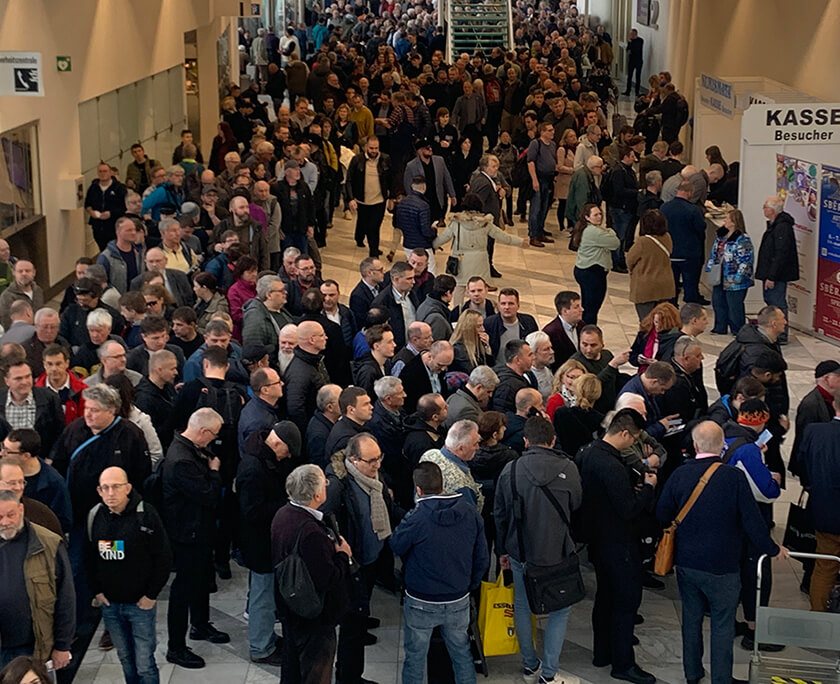
NUMISMATA’s Key to Success: Keep It Simple!
On the first weekend of spring, the NUMISMATA coin show was held in Munich. The fair attracted thousands of passionate coin collectors who crowded the aisles of the exhibition centre.
Archive: Coins, Medals and more
 https://new.coinsweekly.com/wp-content/uploads/2024/05/2024KW18HA_00.jpg
684
860
Ursula Kampmann
https://new.coinsweekly.com/wp-content/uploads/2023/01/logo-coinsweekly_590x204.png
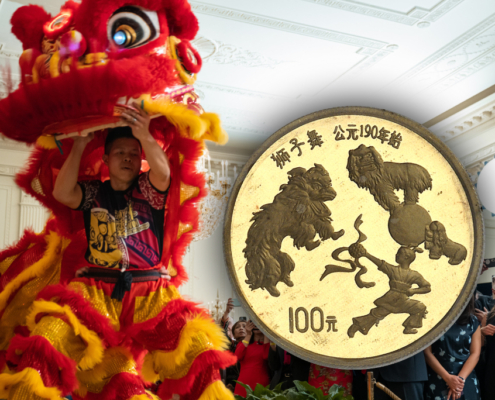
Ursula Kampmann2024-05-02 10:35:242024-05-02 10:35:24100 Yuan Lion Dance 1995: One of the Rarest Chinese Coins of Our Age
https://new.coinsweekly.com/wp-content/uploads/2024/05/2024KW18HA_00.jpg
684
860
Ursula Kampmann
https://new.coinsweekly.com/wp-content/uploads/2023/01/logo-coinsweekly_590x204.png
Ursula Kampmann2024-05-02 10:35:242024-05-02 10:35:24100 Yuan Lion Dance 1995: One of the Rarest Chinese Coins of Our Age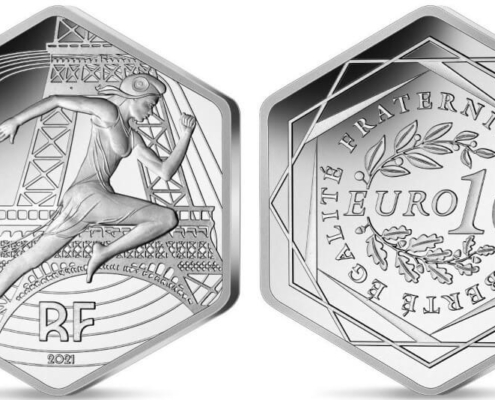 https://new.coinsweekly.com/wp-content/uploads/2023/06/CoCo05_15.jpg
534
1000
Ursula Kampmann
https://new.coinsweekly.com/wp-content/uploads/2023/01/logo-coinsweekly_590x204.png
Ursula Kampmann2022-06-13 09:54:432023-06-27 10:33:10The French Marianne I: Marianne as a Representative of the French People – Part 2
https://new.coinsweekly.com/wp-content/uploads/2023/06/CoCo05_15.jpg
534
1000
Ursula Kampmann
https://new.coinsweekly.com/wp-content/uploads/2023/01/logo-coinsweekly_590x204.png
Ursula Kampmann2022-06-13 09:54:432023-06-27 10:33:10The French Marianne I: Marianne as a Representative of the French People – Part 2
Aquileia: A Centre of the Late Roman Empire
Under the Tetrarchs, Rome lost its position as the main residence of the emperor. Other sites with a more favourable strategic location took over this role. One of them was Aquileia. Those who visit the city today will find traces of Roman civilisation everywhere. Join Ursula Kampmann on her numismatic discovery tour!
Hideo Futahashi (†2024)
We have only now learned that Hideo Futahashi has passed away. Mr. Futahashi was a key figure for Europeans looking to gain a foothold in the Japanese coin market. He was one of those open-minded Japanese who loved introducing European coin enthusiasts to the beauty of his country.