







Archive: People and Markets
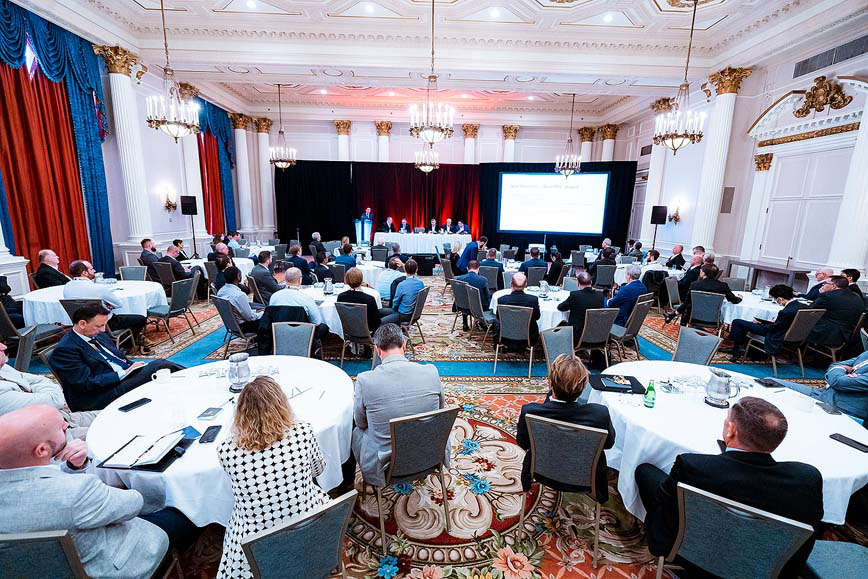
Mark Cartwright is the New MDA Executive Director
The Chair of the Mint Directors Association has announced the appointment of Mark Cartwright as the Executive Director of MDA Ltd.
New RNS Research Fund for Asian Numismatics
The Royal Numismatic Society announced the establishment of a new fund which aims to enable curators and students based in Asia to visit the UK to study Asian coin and money collections.
Archive: Coins, Medals and more
 https://new.coinsweekly.com/wp-content/uploads/2025/02/2025KW06HA_00.jpg
684
860
Lucie Loechel
https://new.coinsweekly.com/wp-content/uploads/2023/01/logo-coinsweekly_590x204.png
Lucie Loechel2025-02-06 07:00:302025-02-06 15:38:12Coins on Coins: When Numismatic Legends Are Reborn
https://new.coinsweekly.com/wp-content/uploads/2025/02/2025KW06HA_00.jpg
684
860
Lucie Loechel
https://new.coinsweekly.com/wp-content/uploads/2023/01/logo-coinsweekly_590x204.png
Lucie Loechel2025-02-06 07:00:302025-02-06 15:38:12Coins on Coins: When Numismatic Legends Are Reborn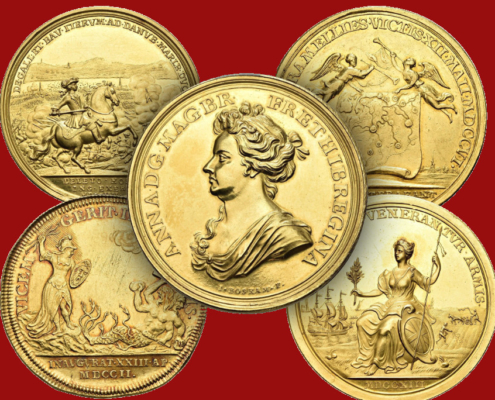 https://new.coinsweekly.com/wp-content/uploads/2025/05/2025KW19HA01_00.jpg
684
860
Lucie Loechel
https://new.coinsweekly.com/wp-content/uploads/2023/01/logo-coinsweekly_590x204.png
Lucie Loechel2025-05-08 10:15:222025-05-08 10:15:22Queen Anne: Great Britain on Its Way to Becoming a Global Power
https://new.coinsweekly.com/wp-content/uploads/2025/05/2025KW19HA01_00.jpg
684
860
Lucie Loechel
https://new.coinsweekly.com/wp-content/uploads/2023/01/logo-coinsweekly_590x204.png
Lucie Loechel2025-05-08 10:15:222025-05-08 10:15:22Queen Anne: Great Britain on Its Way to Becoming a Global Power
New Swiss Silver Coin “Switzerland”
On 12 September 2024, the Federal Mint Swissmint will launch the 20-franc silver coin entitled “Switzerland” in honour of the country becoming a federal state in 1848. The limited-edition special coin will go on sale on Switzerland’s unofficial birthday.
Heimerle + Meule Group becomes HM Precious Metals
Following a number of major acquisitions in recent months, the Heimerle + Meule Group is now adapting its name – not least to make it easier to pronounce internationally.