







Archive: People and Markets

Tokyo Sets New Record for Lost Cash Handed In
If you loose your cash let’s hope it happens in Tokyo. Then chances are good you get it back. Maybe in no other city in the world people hand in so much lost cash to police. There are good reasons why they do it.
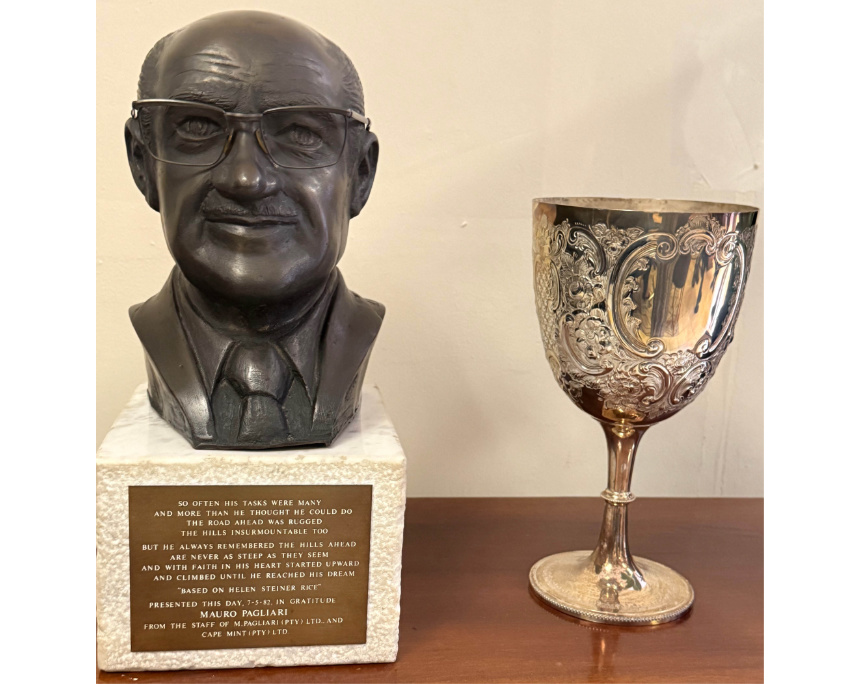
The Cape Mint: The Oldest Private Mint in South Africa
Did you think the South African Mint was the only mint in South Africa? That’s not true. In the heart of Cape Town, a small private mint fulfills all customer needs. I was privileged to visit the Cape Mint and met people there who take great pride in their work.
Archive: Coins, Medals and more
 https://new.coinsweekly.com/wp-content/uploads/2024/10/2024KW40HA2_00.jpg
684
860
Bruno
https://new.coinsweekly.com/wp-content/uploads/2023/01/logo-coinsweekly_590x204.png
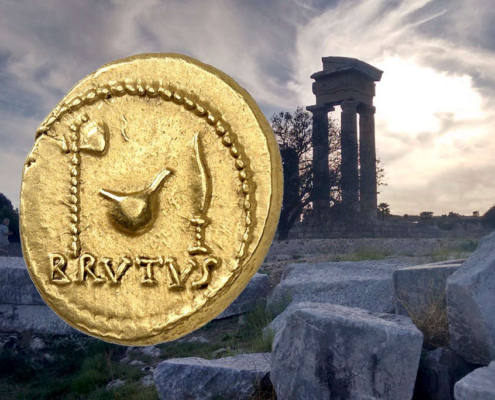
Bruno2024-10-02 13:24:392024-10-15 09:16:49Gold from Rhodes for the Battle for Rome
https://new.coinsweekly.com/wp-content/uploads/2024/10/2024KW40HA2_00.jpg
684
860
Bruno
https://new.coinsweekly.com/wp-content/uploads/2023/01/logo-coinsweekly_590x204.png
Bruno2024-10-02 13:24:392024-10-15 09:16:49Gold from Rhodes for the Battle for Rome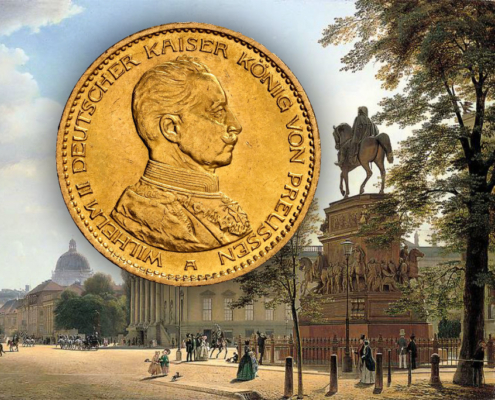 https://new.coinsweekly.com/wp-content/uploads/2024/04/2024KW14HA_00.jpg
684
860
Bruno
https://new.coinsweekly.com/wp-content/uploads/2023/01/logo-coinsweekly_590x204.png
Bruno2024-04-04 09:39:312024-04-04 13:03:19Counterfeit Detection: Altered Prussia 20 Mark
https://new.coinsweekly.com/wp-content/uploads/2024/04/2024KW14HA_00.jpg
684
860
Bruno
https://new.coinsweekly.com/wp-content/uploads/2023/01/logo-coinsweekly_590x204.png
Bruno2024-04-04 09:39:312024-04-04 13:03:19Counterfeit Detection: Altered Prussia 20 Mark
More than Gold – Splendour and Thought in Indigenous Colombia
A new exhibition at Zurich Museum Rietberg is dedicated to the diversity of artistic production in pre-Hispanic Colombia. On display are spectacular gold objects.
Acquisition of a Highly Significant Ensemble for the Coin Cabinet in Vienna
The Kunsthistorisches Museum has acquired 22 coins of the imperial couple Regalianus and Dryantilla and made them digitally accessible. This is all the more impressive considering that only about 160 coins of this imperial couple are known worldwide. These are the only Roman coins that were minted in what is now Austria.