








Archive: People and Markets

Peter K. Tompa Appointed as New IAPN Executive Director
The International Association of Professional Numismatists (IAPN) has a new Executive Director: Peter K. Tompa succeeds Jean-Luc Van der Schueren.
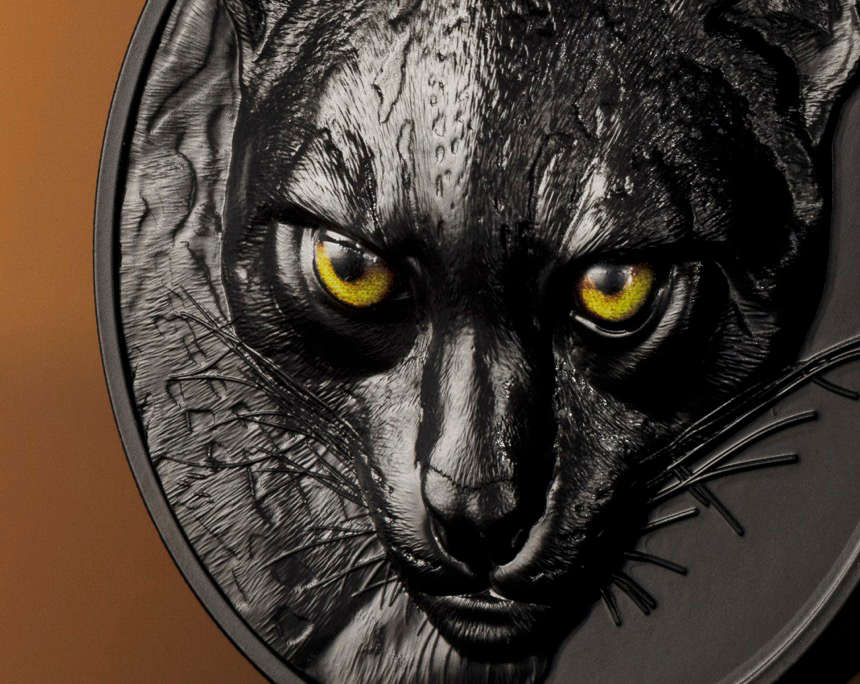
New CIT Issue: Hunters by Night – Ocelot
Since 2020, CIT has been releasing its award-winning and successful Hunters by Night series. The fifth issue is now dedicated to the ocelot, with the nocturnal hunter’s eyes standing out almost hypnotically against the Black Obsidian surface.
Archive: Coins, Medals and more
 https://new.coinsweekly.com/wp-content/uploads/2024/12/2024KW49HA_00.jpg
684
860
Lucie Loechel
https://new.coinsweekly.com/wp-content/uploads/2023/01/logo-coinsweekly_590x204.png
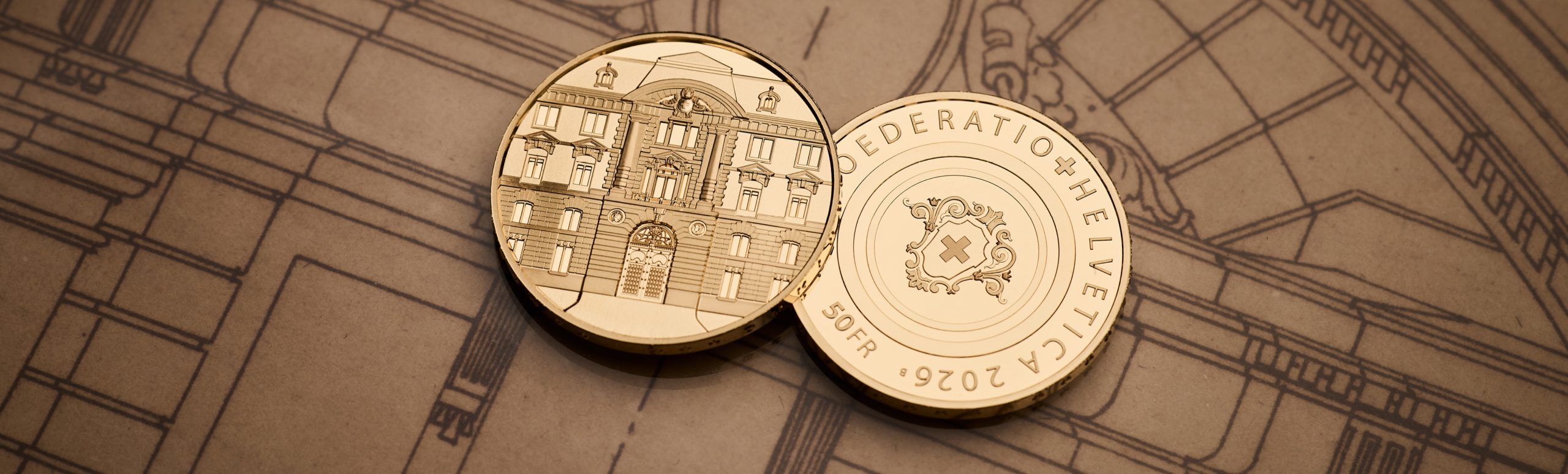
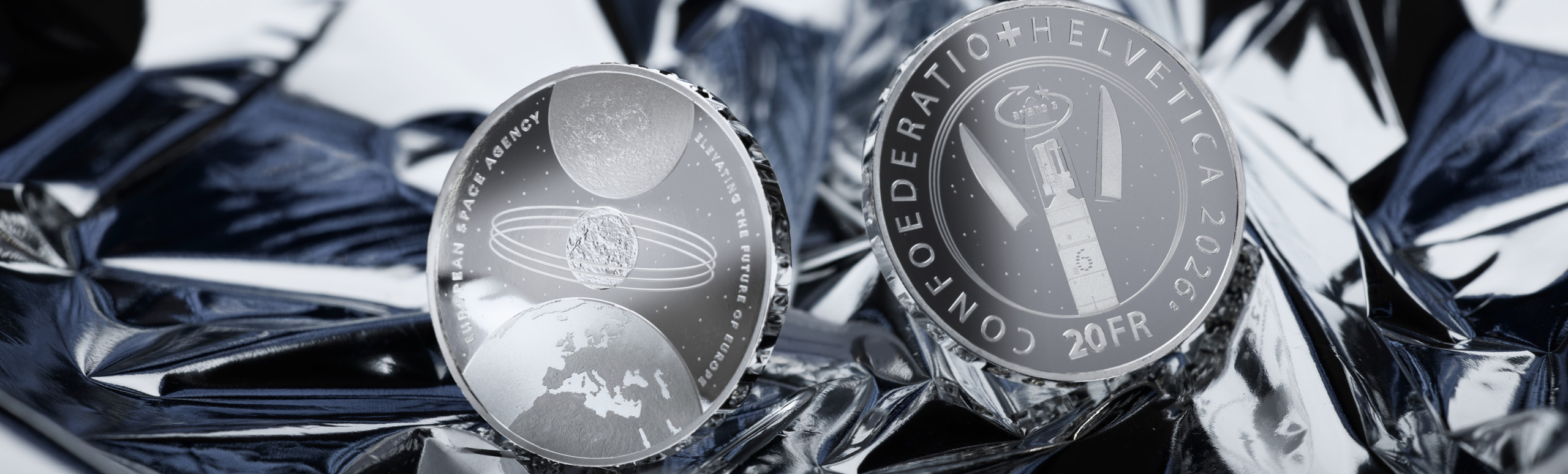
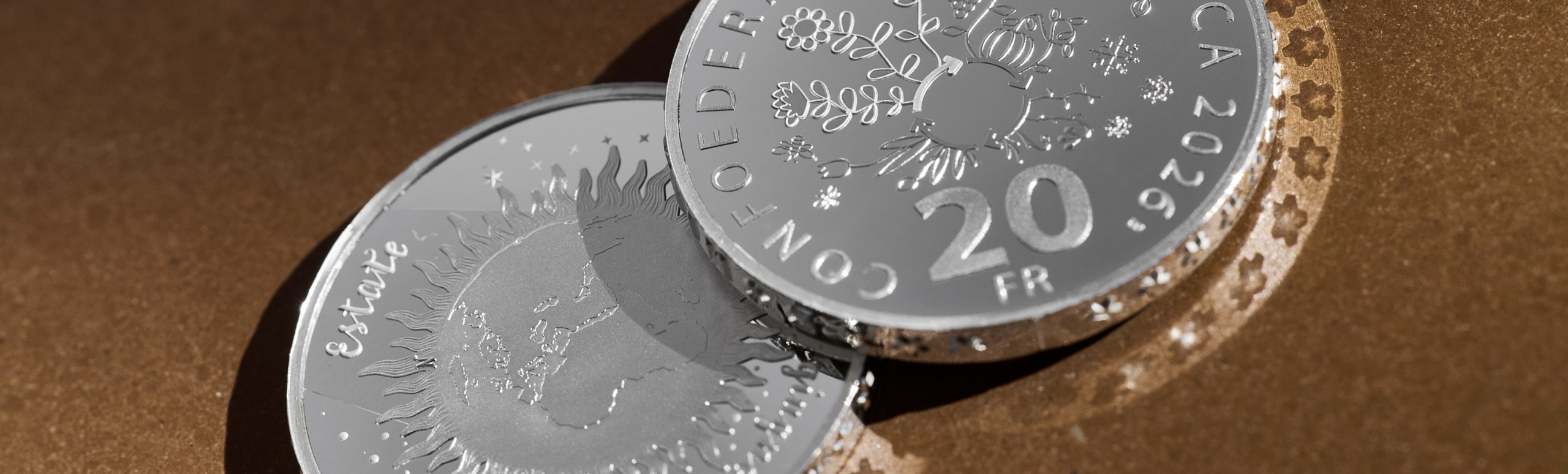
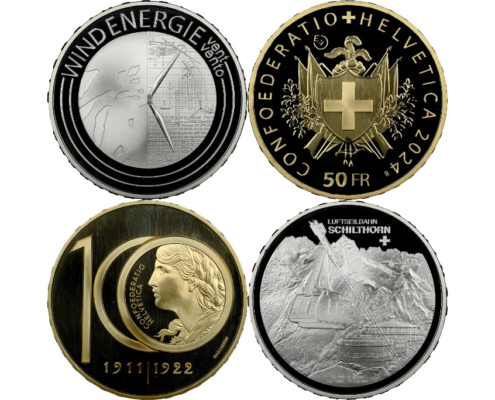
Lucie Loechel2024-12-05 06:00:382024-12-05 13:32:34Swissmint Patterns at Numismatica Genevensis SA
https://new.coinsweekly.com/wp-content/uploads/2024/12/2024KW49HA_00.jpg
684
860
Lucie Loechel
https://new.coinsweekly.com/wp-content/uploads/2023/01/logo-coinsweekly_590x204.png
Lucie Loechel2024-12-05 06:00:382024-12-05 13:32:34Swissmint Patterns at Numismatica Genevensis SA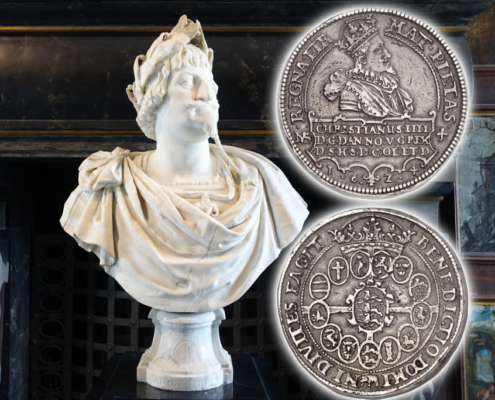 https://new.coinsweekly.com/wp-content/uploads/2024/06/2024KW24HA_00.jpg
684
860
Ursula Kampmann
https://new.coinsweekly.com/wp-content/uploads/2023/01/logo-coinsweekly_590x204.png
Ursula Kampmann2024-06-13 10:48:452024-06-13 11:10:58400 Years Ago – The Founding of Kongsberg
https://new.coinsweekly.com/wp-content/uploads/2024/06/2024KW24HA_00.jpg
684
860
Ursula Kampmann
https://new.coinsweekly.com/wp-content/uploads/2023/01/logo-coinsweekly_590x204.png
Ursula Kampmann2024-06-13 10:48:452024-06-13 11:10:58400 Years Ago – The Founding of Kongsberg
CoinFindsViewer – Roman Coin Finds in Southern Germany
Recently a new numismatic project went online: the CoinFindsViewer represents the first large-scale visualization of Roman coin find data in southern Germany. It enables users to interactively explore the dataset along the Roman frontier, the Limes, and its hinterland across various historical periods.
CCG to Open Tokyo Office in 2024
The Certified Collectibles Group® announced that it will open an office in Tokyo, Japan, in 2024. The new CCG office will make it easier for collectors and dealers in Japan and the surrounding region to submit to NGC, PMG and CGC.