






Archive: People and Markets
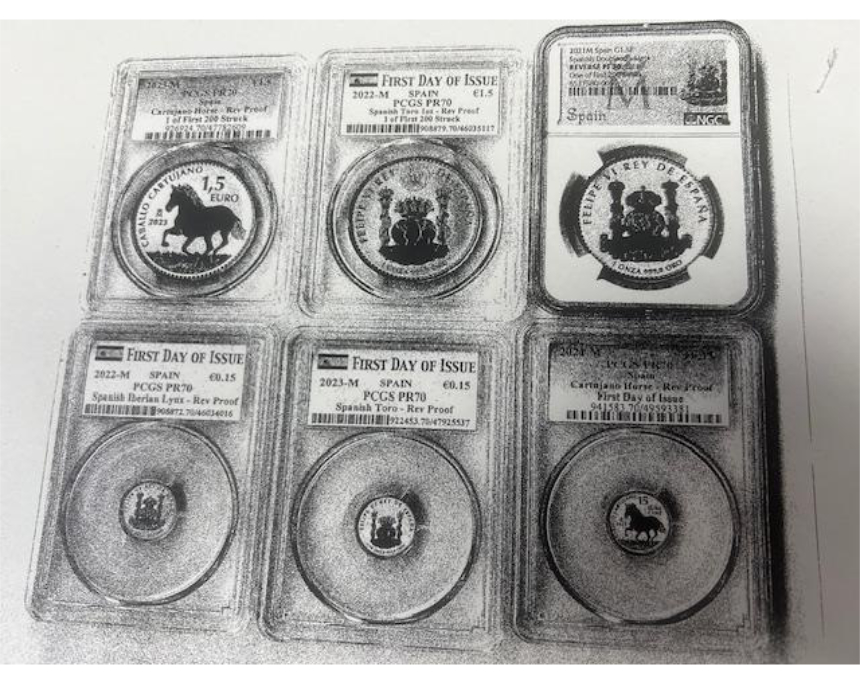
US Coin Dealer Robbed in Madrid
The Numismatic Crime Information Center notified us that Don Kagin was the victim of a theft that occurred in a shop in Madrid, Spain. Find out more about the stolen coins and the thieves’ modus operandi here.
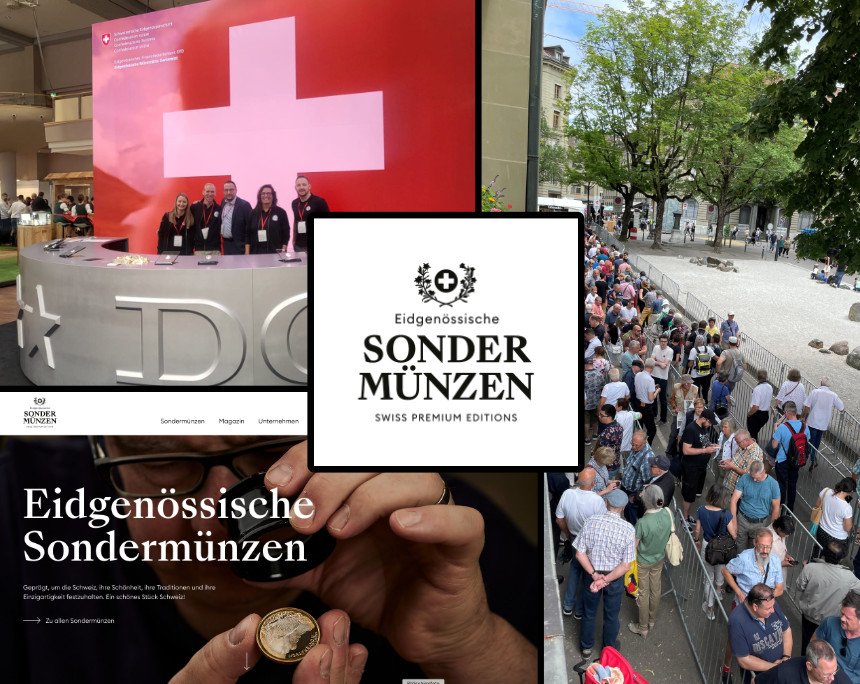
There’s a Lot Going on at Swissmint!
A new website, a new online shop, a new layout for its customer magazine – these are just some of the innovations Swissmint has in store for us. The mint has changed profoundly over the past two years. Ursula Kampmann explains how.
Archive: Coins, Medals and more
 https://new.coinsweekly.com/wp-content/uploads/2025/03/0.jpg
684
860
Sebastian Wieschowski
https://new.coinsweekly.com/wp-content/uploads/2023/01/logo-coinsweekly_590x204.png
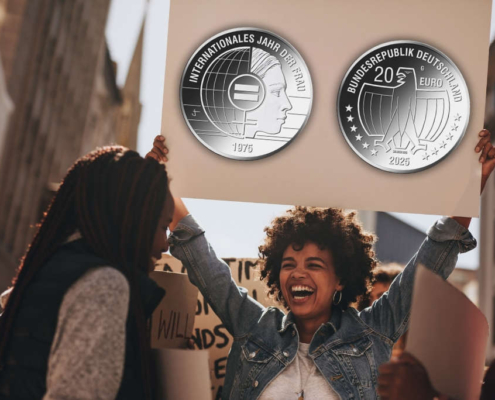
Sebastian Wieschowski2025-03-06 06:00:312025-03-06 14:32:55Women on Commemorative Coins: A Long Road to True Equality
https://new.coinsweekly.com/wp-content/uploads/2025/03/0.jpg
684
860
Sebastian Wieschowski
https://new.coinsweekly.com/wp-content/uploads/2023/01/logo-coinsweekly_590x204.png
Sebastian Wieschowski2025-03-06 06:00:312025-03-06 14:32:55Women on Commemorative Coins: A Long Road to True Equality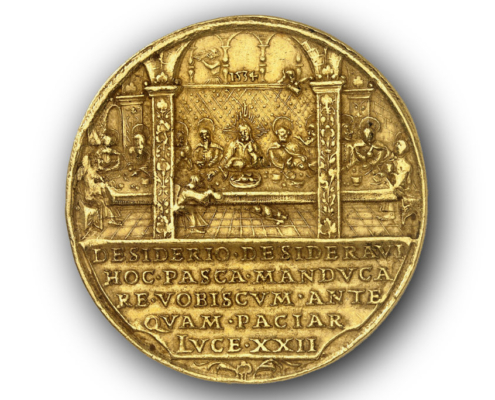 https://new.coinsweekly.com/wp-content/uploads/2025/01/2025KW02HA_00.jpg
684
860
Lucie Loechel
https://new.coinsweekly.com/wp-content/uploads/2023/01/logo-coinsweekly_590x204.png
Lucie Loechel2025-01-09 10:35:332025-01-09 14:45:59Joachimsthal and the Reformation
https://new.coinsweekly.com/wp-content/uploads/2025/01/2025KW02HA_00.jpg
684
860
Lucie Loechel
https://new.coinsweekly.com/wp-content/uploads/2023/01/logo-coinsweekly_590x204.png
Lucie Loechel2025-01-09 10:35:332025-01-09 14:45:59Joachimsthal and the Reformation
Jewish-American Hall of Fame honors Julius Rosenwald and Booker T. Washington
The Jewish-American Hall of Fame is celebrating May as Jewish American Heritage Month by issuing art medals honoring Julius Rosenwald, who appears along with his friend and associate Booker T. Washington. These Renaissance-style high relief medals are the 56th in the longest continuing series of art medals in America.
CIT’s Mt. Everest – First Ascent
70 years ago two mountaineers were the first men to reach the summit of Mount Everest. To commemorate this event, CIT has minted two silver coins with Ultra High Relief and further features.