







Archive: People and Markets
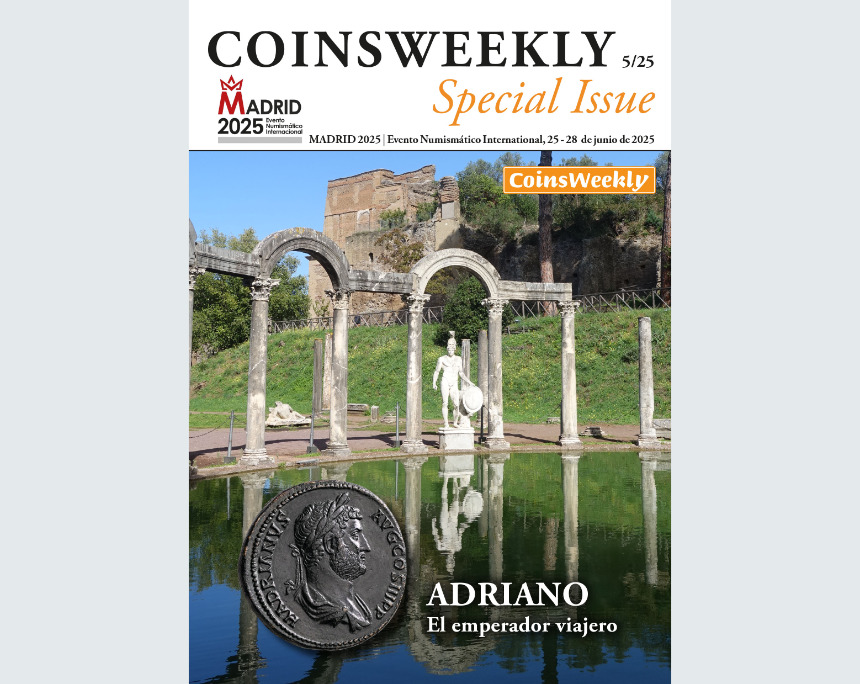
CoinsWeekly Special Issue for the Evento Numismático International Madrid 2025
On the occasion of the 2025 Evento Numismático International in Madrid, we are once again publishing one of our printed CoinsWeekly Special Issues, this time in Spanish. Read all about the Traveling Emperor Hadrian and his coinage.
Decline in Print Business: MDM Announces Job Cuts
The Münzhandelsgesellschaft in Brunswick reports a decline in sales and plans to reorganise its sales and develop new products.
Archive: Coins, Medals and more
 https://new.coinsweekly.com/wp-content/uploads/2023/06/00_shutterstock_235125199.jpg
667
1000
Bruno
https://new.coinsweekly.com/wp-content/uploads/2023/01/logo-coinsweekly_590x204.png
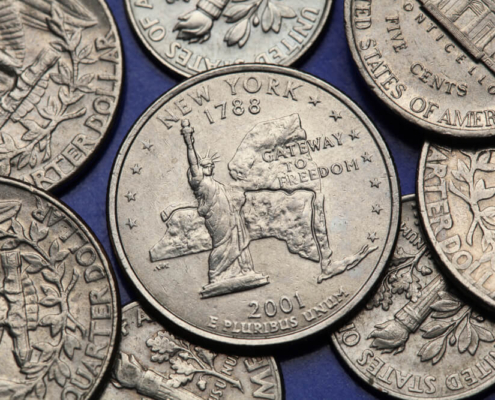
Bruno2022-06-13 12:25:292023-07-03 12:43:47Fascinating Change: The 50 State Quarters of the USA – a Milestone
https://new.coinsweekly.com/wp-content/uploads/2023/06/00_shutterstock_235125199.jpg
667
1000
Bruno
https://new.coinsweekly.com/wp-content/uploads/2023/01/logo-coinsweekly_590x204.png
Bruno2022-06-13 12:25:292023-07-03 12:43:47Fascinating Change: The 50 State Quarters of the USA – a Milestone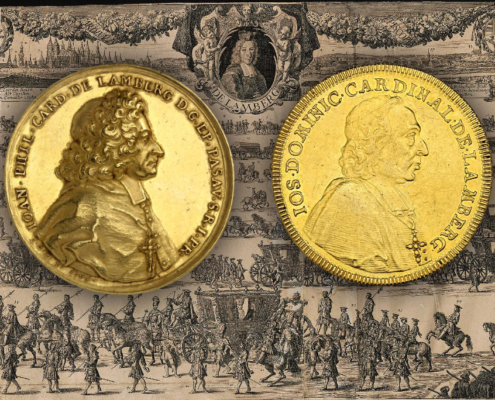 https://new.coinsweekly.com/wp-content/uploads/2025/06/2025KW25HA01_00.jpg
684
860
Lucie Loechel
https://new.coinsweekly.com/wp-content/uploads/2023/01/logo-coinsweekly_590x204.png
Lucie Loechel2025-06-18 09:13:002025-06-18 09:13:00Münster, Osnabrück, Passau and the Counts of Lamberg
https://new.coinsweekly.com/wp-content/uploads/2025/06/2025KW25HA01_00.jpg
684
860
Lucie Loechel
https://new.coinsweekly.com/wp-content/uploads/2023/01/logo-coinsweekly_590x204.png
Lucie Loechel2025-06-18 09:13:002025-06-18 09:13:00Münster, Osnabrück, Passau and the Counts of Lamberg
Pobjoy’s 50 Pence Moon Coin
Pobjoy Mint has issued a 50 pence coin featuring the surface of the moon. The coin is available in two versions and comes with special permission granted by NASA.
Next Week, It’s Time for the Coin Conference 2024!
From 28 to 30 October, the central banks and mints will meet in Lisbon to discuss the challenges the coin sector faces today. Ursula Kampmann will also be there. She’s responsible for a workshop on “Commemorative Coins for an International and a Domestic Market.”