







Archive: People and Markets
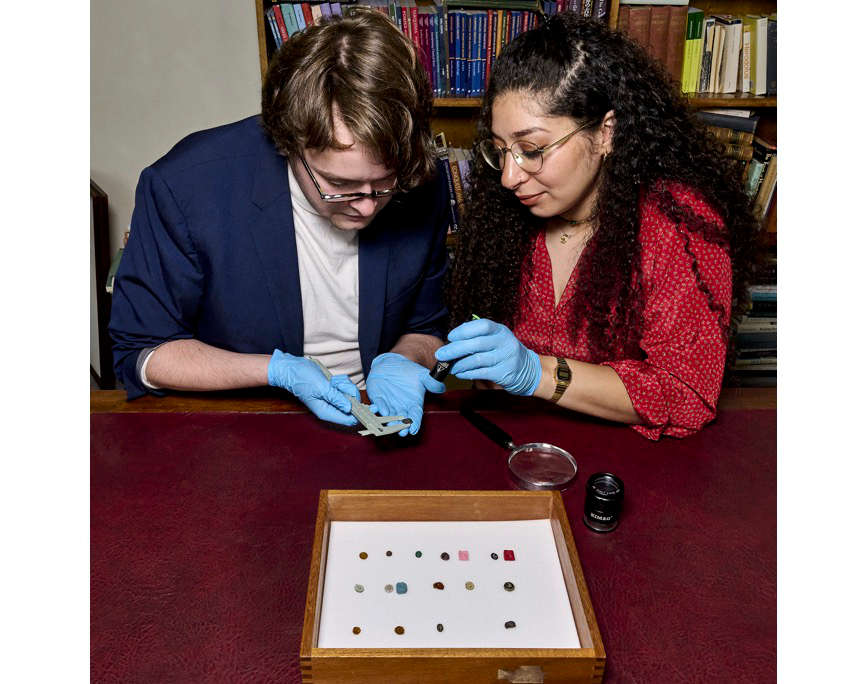
Further Recoveries of British Museum Objects
The British Museum has announced the return of a further 268 missing objects, taking the total number of recovered items to 626. The museum also confirmed that it is currently working on new leads for around 100 additional objects.
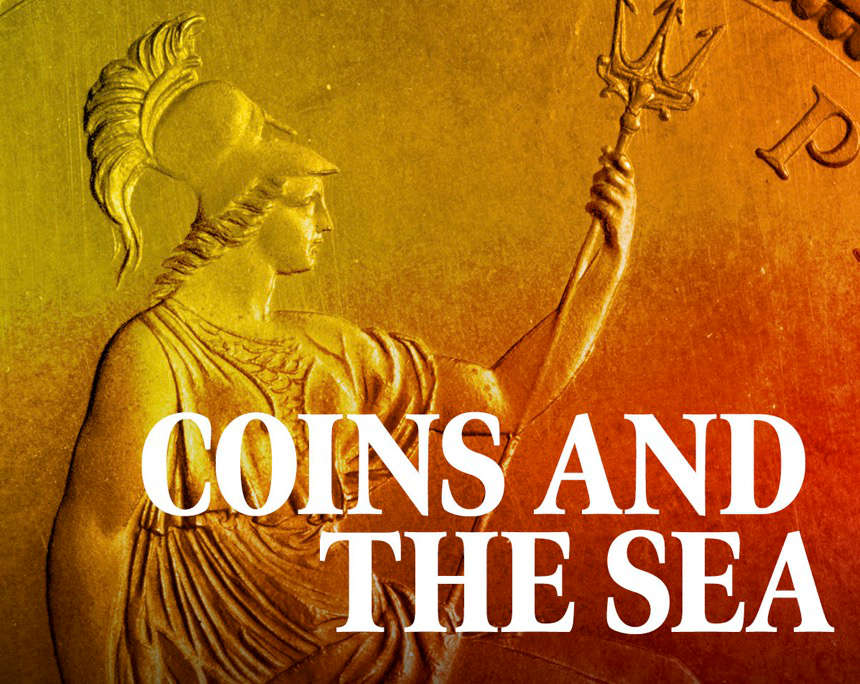
Numismatics for the Ears: The Royal Mint Museum Explores Britain’s Seafaring History in New Podcast
The Royal Mint Museum has launched its first-ever podcast series, called “Coins and the Sea.” The podcast is part of a wider project, which includes a temporary exhibition at The Royal Mint Experience.
Archive: Coins, Medals and more
 https://new.coinsweekly.com/wp-content/uploads/2023/08/2023KW34HA_00.jpg
684
860
Bruno
https://new.coinsweekly.com/wp-content/uploads/2023/01/logo-coinsweekly_590x204.png
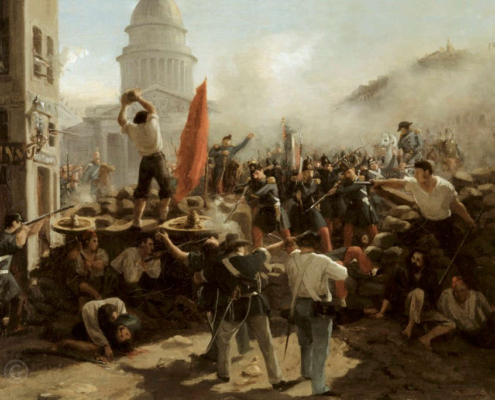
Bruno2023-08-23 10:16:152023-08-23 10:16:15French History in Coins – Part 2: From the Second Republic to the Second Empire
https://new.coinsweekly.com/wp-content/uploads/2023/08/2023KW34HA_00.jpg
684
860
Bruno
https://new.coinsweekly.com/wp-content/uploads/2023/01/logo-coinsweekly_590x204.png
Bruno2023-08-23 10:16:152023-08-23 10:16:15French History in Coins – Part 2: From the Second Republic to the Second Empire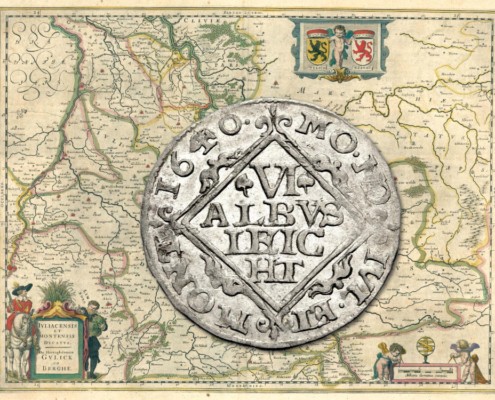 https://new.coinsweekly.com/wp-content/uploads/2023/06/2023KW25HA01_00.jpg
750
1000
Ursula Kampmann
https://new.coinsweekly.com/wp-content/uploads/2023/01/logo-coinsweekly_590x204.png
Ursula Kampmann2023-06-21 17:00:302023-06-27 11:18:18A Discovery From Jülich-Berg
https://new.coinsweekly.com/wp-content/uploads/2023/06/2023KW25HA01_00.jpg
750
1000
Ursula Kampmann
https://new.coinsweekly.com/wp-content/uploads/2023/01/logo-coinsweekly_590x204.png
Ursula Kampmann2023-06-21 17:00:302023-06-27 11:18:18A Discovery From Jülich-Berg
Look at the Coins! Papers in Honour of Joe Cribb on his 75th Birthday
Joe Cribb is a well-known specialist in the monetary history of Asia. On the occasion of his 75th birthday, this volume has been prepared by friends and colleagues in appreciation of his contribution to the field, and especially for his support and guidance.
Croatia’s New “Lace-Making in Croatia” Gold Coins
Croatia has released three new gold commemorative coins to pay tribute to lace-making, a tradition recognised by UNESCO. The manufacture of lace in Pag, Hvar, and Lepoglava has been part of the Intangible Cultural Heritage of Humanity since 2009.