











Archive: People and Markets

Important Volumes on Ancient Numismatics Will Soon Be Freely Available Online
A great piece of news: Over 6,000 volumes primarily on ancient numismatics from the S&S Library will be digitized and made available for everyone through the Newman Numismatic Portal.
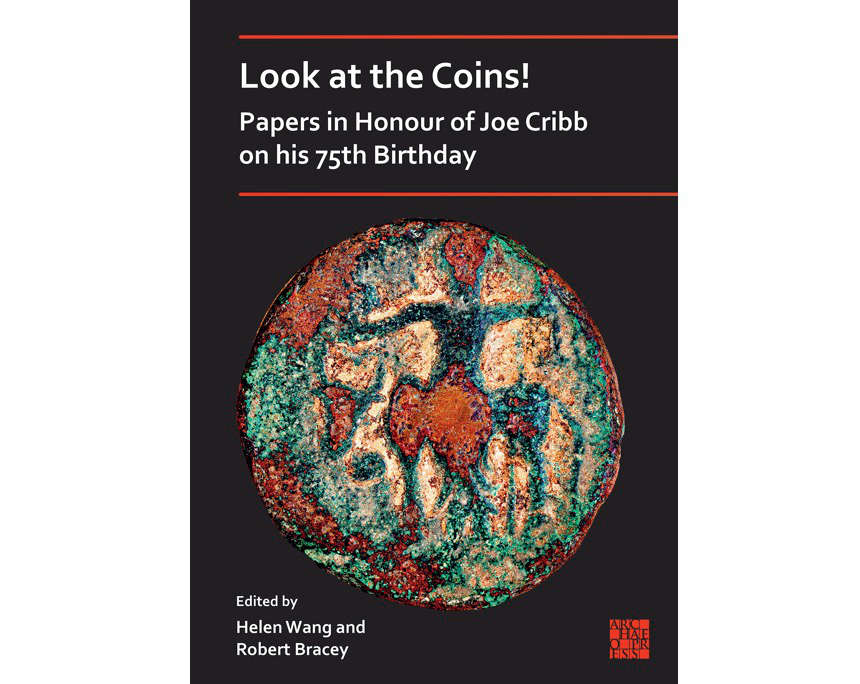
Look at the Coins! Papers in Honour of Joe Cribb on his 75th Birthday
Joe Cribb is a well-known specialist in the monetary history of Asia. On the occasion of his 75th birthday, this volume has been prepared by friends and colleagues in appreciation of his contribution to the field, and especially for his support and guidance.
Archive: Coins, Medals and more
 https://new.coinsweekly.com/wp-content/uploads/2023/06/CoCo04_04-1.jpg
750
1000
Ursula Kampmann
https://new.coinsweekly.com/wp-content/uploads/2023/01/logo-coinsweekly_590x204.png
Ursula Kampmann2022-06-13 10:25:572023-06-27 10:30:06The French Marianne I: Marianne as a Representative of the French People – Part 1
https://new.coinsweekly.com/wp-content/uploads/2023/06/CoCo04_04-1.jpg
750
1000
Ursula Kampmann
https://new.coinsweekly.com/wp-content/uploads/2023/01/logo-coinsweekly_590x204.png
Ursula Kampmann2022-06-13 10:25:572023-06-27 10:30:06The French Marianne I: Marianne as a Representative of the French People – Part 1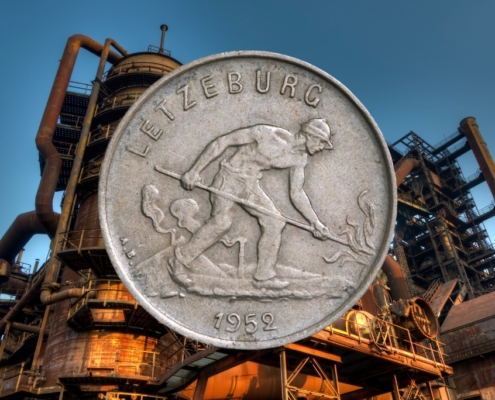 https://new.coinsweekly.com/wp-content/uploads/2024/02/2024KW09aHauptartikel_00.jpg
684
860
Ursula Kampmann
https://new.coinsweekly.com/wp-content/uploads/2023/01/logo-coinsweekly_590x204.png
Ursula Kampmann2024-02-29 09:19:272024-02-29 14:11:43A Coin on a Coin: Luxembourg to Resurrect the “Feierstëppler”
https://new.coinsweekly.com/wp-content/uploads/2024/02/2024KW09aHauptartikel_00.jpg
684
860
Ursula Kampmann
https://new.coinsweekly.com/wp-content/uploads/2023/01/logo-coinsweekly_590x204.png
Ursula Kampmann2024-02-29 09:19:272024-02-29 14:11:43A Coin on a Coin: Luxembourg to Resurrect the “Feierstëppler”
Celtic Coin Hoard Melted Down into Lumps
Six months ago, a Celtic gold treasure was stolen in a burglary at the kelten römer museum Manching, Germany. Now the police have announced success in apprehending four suspected criminals.
The End of Mint of Finland
Mint of Finland will close its doors in the spring of 2025. The Board of Directors of Mint of Finland announced this decision on 28 August 2024. Ursula Kampmann sums up the situation.