







Archive: People and Markets
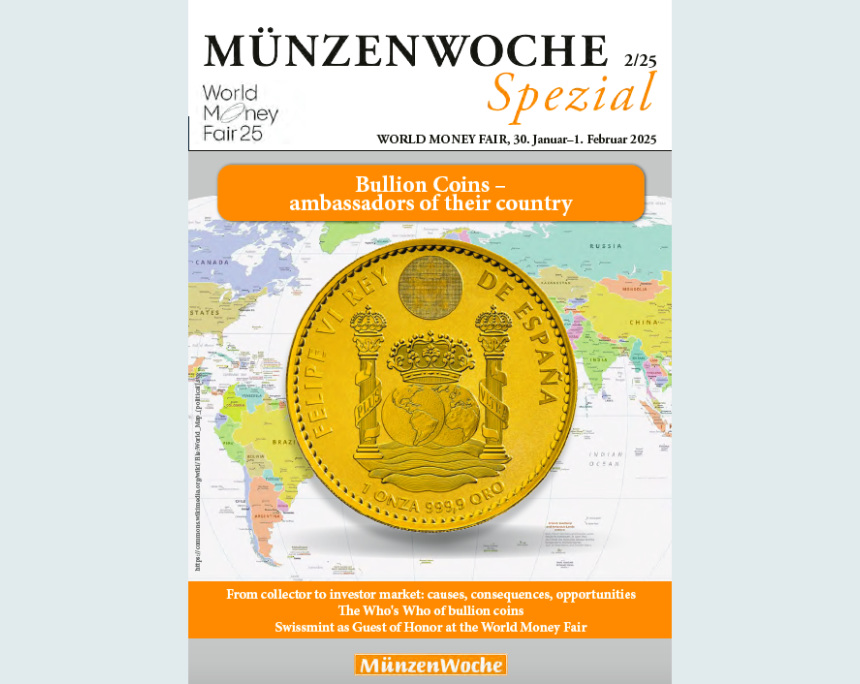
Now available: Our CoinsWeekly Special Issue for the World Money Fair 2025
We usually publish our printed CoinsWeekly Special for the World Money Fair in German, as it is tailored to all the German visitors. This year, however, we decided to also offer an English version of the issue as a download for our international readers. We hope you enjoy reading it!
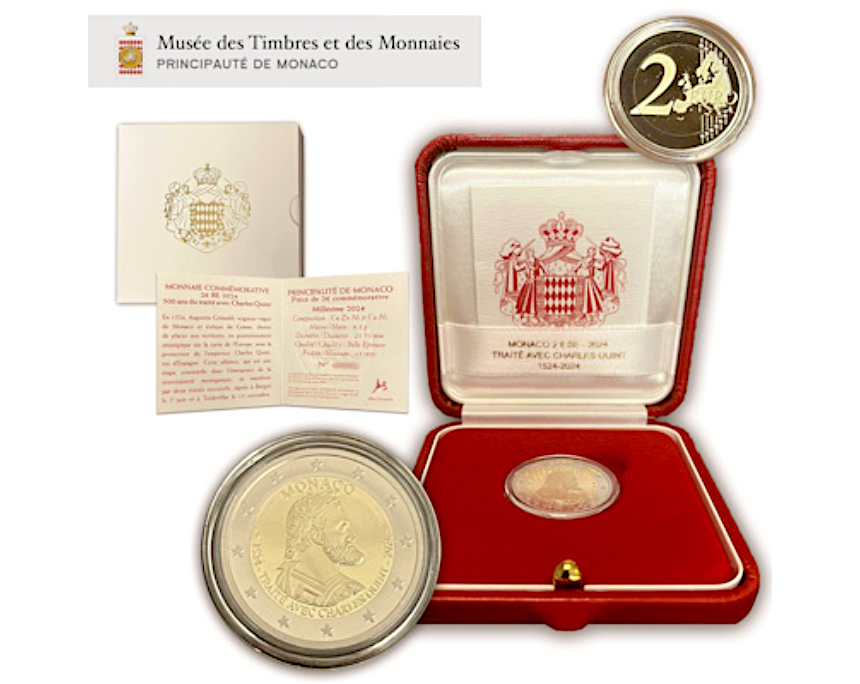
A Coveted 2-Euro Coin: Monaco Introduces Penalty Fee for Multiple Orders
The Principality’s commemorative coins are among the most expensive and sought-after collectibles in the eurozone – but they have also attracted speculators for years. The sales office is now taking drastic measures.
Archive: Coins, Medals and more
 https://new.coinsweekly.com/wp-content/uploads/2024/10/2024KW41HA1_00.jpg
684
860
Lucie Loechel
https://new.coinsweekly.com/wp-content/uploads/2023/01/logo-coinsweekly_590x204.png
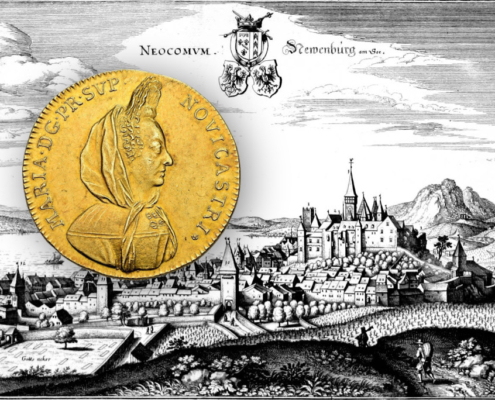
Lucie Loechel2024-10-10 13:41:242024-10-10 13:46:34Why Neuchâtel Is Not Part of France Today
https://new.coinsweekly.com/wp-content/uploads/2024/10/2024KW41HA1_00.jpg
684
860
Lucie Loechel
https://new.coinsweekly.com/wp-content/uploads/2023/01/logo-coinsweekly_590x204.png
Lucie Loechel2024-10-10 13:41:242024-10-10 13:46:34Why Neuchâtel Is Not Part of France Today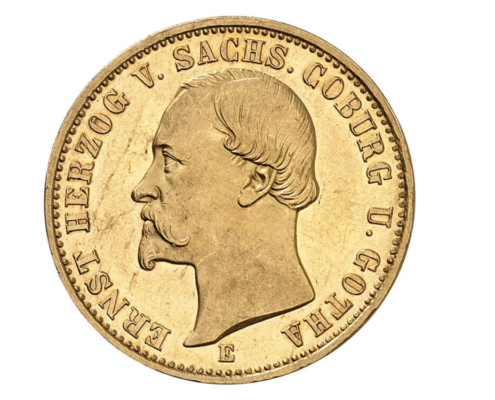 https://new.coinsweekly.com/wp-content/uploads/2023/05/2023KW21HA00.jpg
750
1000
Ursula Kampmann
https://new.coinsweekly.com/wp-content/uploads/2023/01/logo-coinsweekly_590x204.png
Ursula Kampmann2023-05-25 09:00:382023-06-27 11:24:32From Taler to Mark: The Long Road to a Common Currency
https://new.coinsweekly.com/wp-content/uploads/2023/05/2023KW21HA00.jpg
750
1000
Ursula Kampmann
https://new.coinsweekly.com/wp-content/uploads/2023/01/logo-coinsweekly_590x204.png
Ursula Kampmann2023-05-25 09:00:382023-06-27 11:24:32From Taler to Mark: The Long Road to a Common Currency
A Visit to the Japan Mint
Japan is a country where cash still plays an important role. Therefore, the Japan Mint is not a single institution but consists of several branches. Ursula Kampmann visited their offices in Saitama. Join her on a tour through the mint!
Marija Jurić Zagorka: A Feminist Icon from Croatia
The Croatian National Bank, in cooperation with the Croatian Mint, continues its series on Croatian literature. The second issue is dedicated to Marija Jurić Zagorka. She is celebrated in Croatia as an icon of feminism.