











Archive: People and Markets
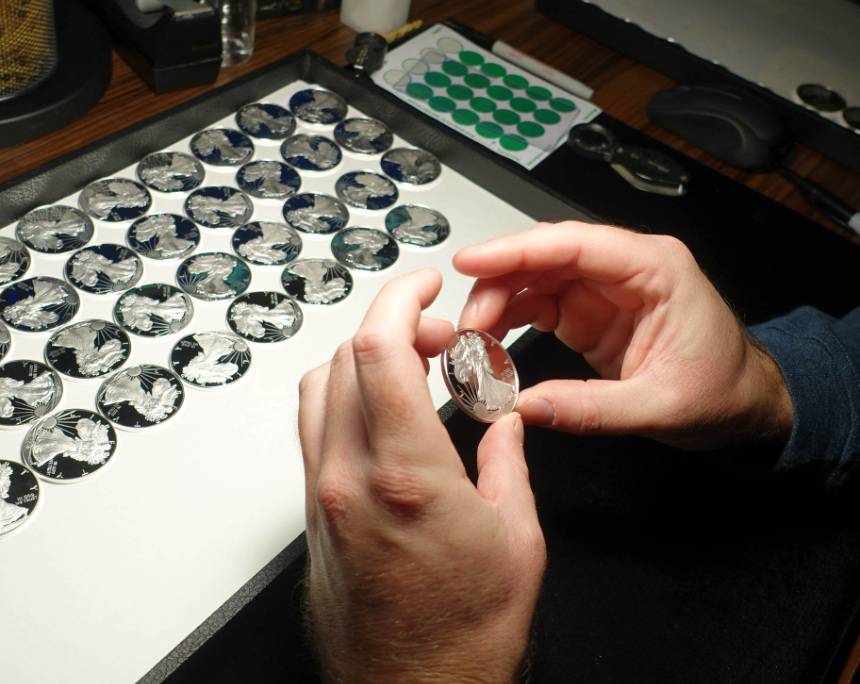
From a Collector’s Market to an Investor’s Market: Reasons, Consequences, Opportunities, Part 2
Today we continue Ursula Kampmann’s analysis of the change from collector to investor market with the second part. Find out how the market for American coins became a perfect investor’s market.

The British Museum: When Theft Becomes PR
Once again, the BM made negative headlines: Ilé Sartuzi stole a coin unnoticed during a hands-on tour and declared this an artistic performance. A commentary by Ursula Kampmann.
Archive: Coins, Medals and more
 https://new.coinsweekly.com/wp-content/uploads/2023/12/2023KW50HA_00B.jpg
684
860
Ursula Kampmann
https://new.coinsweekly.com/wp-content/uploads/2023/01/logo-coinsweekly_590x204.png
Ursula Kampmann2023-12-14 10:41:562023-12-14 10:41:56The Borki Train Disaster
https://new.coinsweekly.com/wp-content/uploads/2023/12/2023KW50HA_00B.jpg
684
860
Ursula Kampmann
https://new.coinsweekly.com/wp-content/uploads/2023/01/logo-coinsweekly_590x204.png
Ursula Kampmann2023-12-14 10:41:562023-12-14 10:41:56The Borki Train Disaster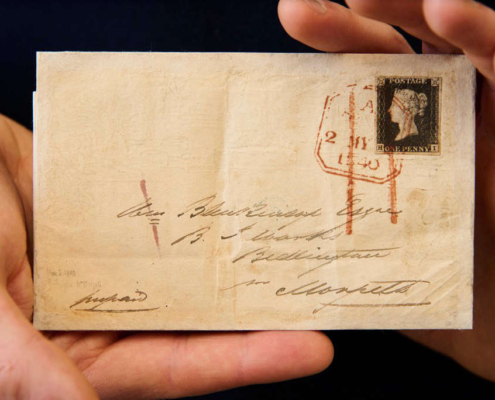 https://new.coinsweekly.com/wp-content/uploads/2024/01/2024KW05HA_00.jpg
684
860
Ursula Kampmann
https://new.coinsweekly.com/wp-content/uploads/2023/01/logo-coinsweekly_590x204.png
Ursula Kampmann2024-01-31 13:34:492024-01-31 13:34:49The First Piece of Mail Sent Using a Stamp to Be Offered at Sotheby’s
https://new.coinsweekly.com/wp-content/uploads/2024/01/2024KW05HA_00.jpg
684
860
Ursula Kampmann
https://new.coinsweekly.com/wp-content/uploads/2023/01/logo-coinsweekly_590x204.png
Ursula Kampmann2024-01-31 13:34:492024-01-31 13:34:49The First Piece of Mail Sent Using a Stamp to Be Offered at Sotheby’s
The New and Advanced Coin Yearbook 2025
The new 2025 edition of the Coin Yearbook is fully revised and updated. It features accurate up-to-the-minute pricing of English, Scottish, Irish and Isle of Man coins and many more features.
Fiasco – A Cautionary Tale of What’s to Come Once the New EU Import Regulation Comes Into Force
If you want to get an idea of how enforcement might work under the European Union’s new import licensing regulation after June 28, 2025, here is a cautionary tale, shared by Ivan Macquisten.