











Archive: People and Markets
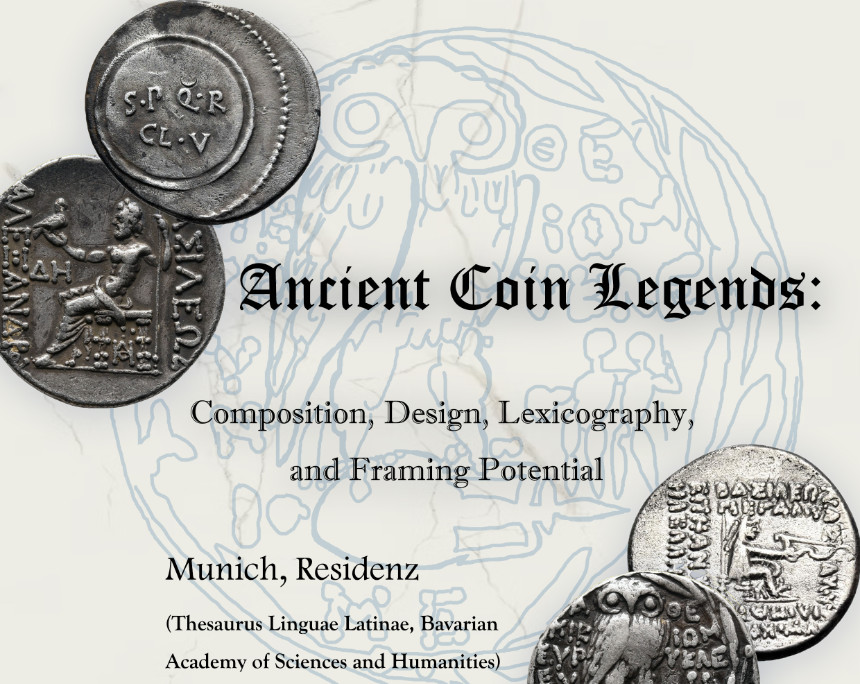
Conference on Ancient Coin Legends in Munich 2025
The conference “Ancient coin legends: composition, design, lexicography, and framing potential” will take place from 26 to 28 June 2025 in Munich, Residenz (Bavarian Academy of Science).
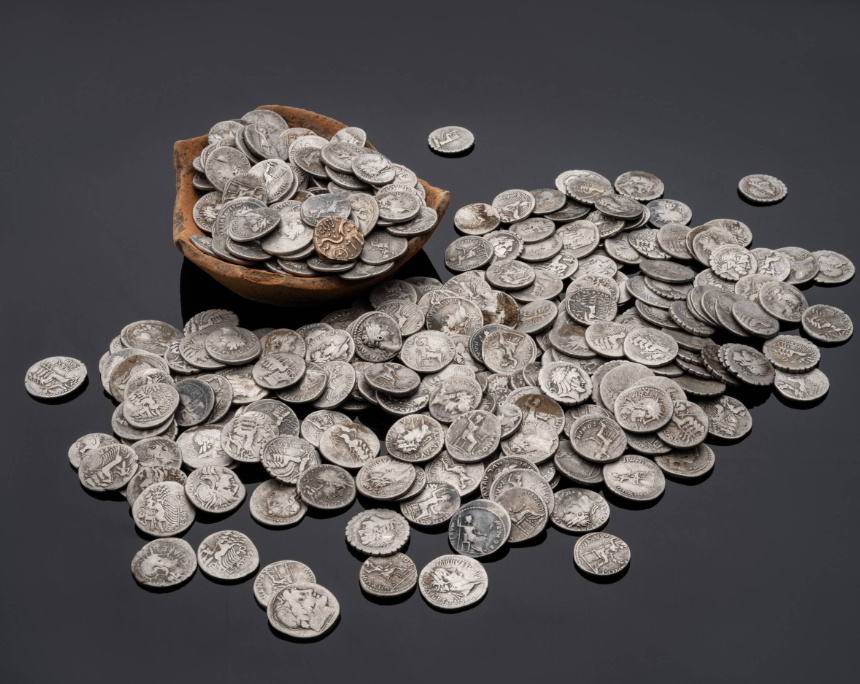
A Coin Hoard from the Time of the Roman Conquest of Britain
The newly discovered Worcestershire Conquest Hoard is the largest hoard from the reign of Nero ever discovered in Britain. Worcestershire Heritage, Art & Museums has launched a fundraising campaign to acquire the 1,368 Iron Age and Roman coins for the county.
Archive: Coins, Medals and more
 https://new.coinsweekly.com/wp-content/uploads/2024/11/2024KW45HA2_00.jpg
684
860
Bruno
https://new.coinsweekly.com/wp-content/uploads/2023/01/logo-coinsweekly_590x204.png
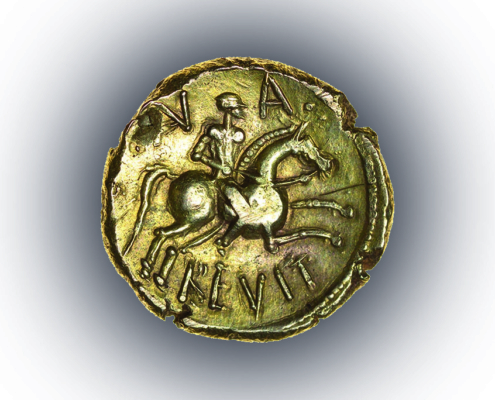
Bruno2024-11-07 07:54:412024-11-07 13:16:47Was Anarevito a Slave Trader?
https://new.coinsweekly.com/wp-content/uploads/2024/11/2024KW45HA2_00.jpg
684
860
Bruno
https://new.coinsweekly.com/wp-content/uploads/2023/01/logo-coinsweekly_590x204.png
Bruno2024-11-07 07:54:412024-11-07 13:16:47Was Anarevito a Slave Trader?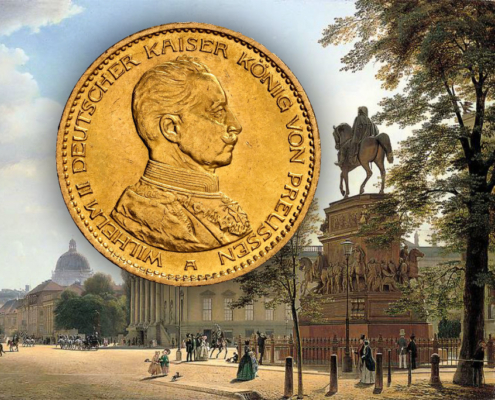 https://new.coinsweekly.com/wp-content/uploads/2024/04/2024KW14HA_00.jpg
684
860
Bruno
https://new.coinsweekly.com/wp-content/uploads/2023/01/logo-coinsweekly_590x204.png
Bruno2024-04-04 09:39:312024-04-04 13:03:19Counterfeit Detection: Altered Prussia 20 Mark
https://new.coinsweekly.com/wp-content/uploads/2024/04/2024KW14HA_00.jpg
684
860
Bruno
https://new.coinsweekly.com/wp-content/uploads/2023/01/logo-coinsweekly_590x204.png
Bruno2024-04-04 09:39:312024-04-04 13:03:19Counterfeit Detection: Altered Prussia 20 Mark
Monnaie de Paris Faces Criticism from Enthusiastic Collectors
As athletes around the world prepare to deliver top performances at the Olympic Games, the Monnaie de Paris – France’s prestigious mint – has disqualified itself in the eyes of many collectors for unsporting behaviour. What happened?
Reischauer Becomes Part of the Heimerle + Meule Group
With the acquisition of Reischauer GmbH, the Heimerle + Meule Group is expanding its already strong position in the European precious metals market. In the previous year, Heimerle + Meule was already able to substantially enlarge its expertise in precious metal coins and medals by acquiring a majority stake in the Commonwealth Mint.