






Archive: People and Markets
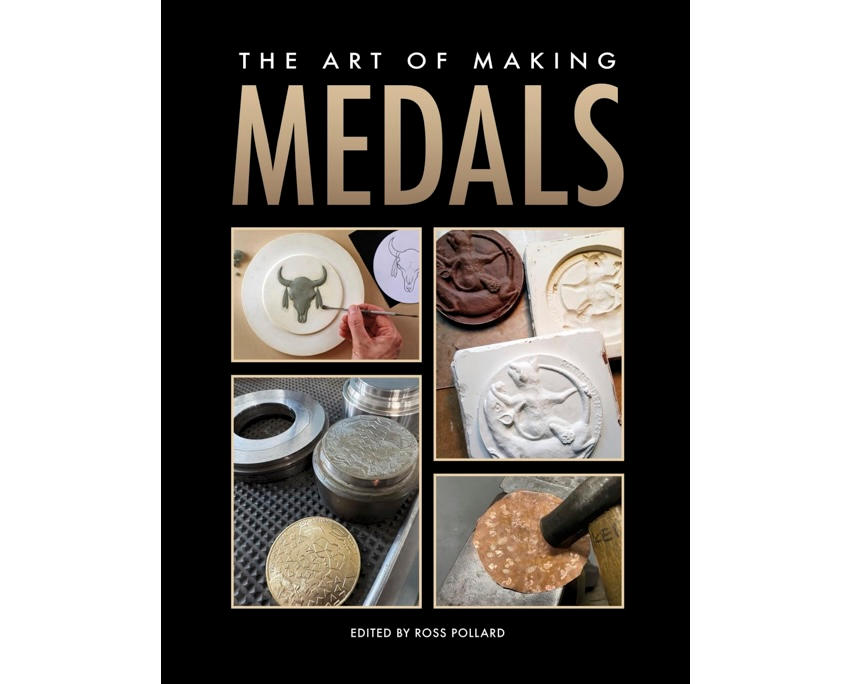
“The Art of Making Medals” Published
What Goes Into Making a Medal? Editor Ross Pollard has packed his new book “The Art of Making Medals” with practical, first-hand insights from contemporary artists into the fascinating world of medallic sculpture. Each chapter was contributed by a member of the American Medallic Sculpture Association and documents the creation of an original medal from start to finish.

CCG is Expanding its Network of Partners
CCG is continuously expanding its network of partners around the globe. Recently, for example, they appointed Currencypedia as an NGC and PMG Authorized Dealer in India and Aste Aurora an Official Submission Center in San Marino.
Archive: Coins, Medals and more
 https://new.coinsweekly.com/wp-content/uploads/2023/05/2023KW21HA00.jpg
750
1000
Ursula Kampmann
https://new.coinsweekly.com/wp-content/uploads/2023/01/logo-coinsweekly_590x204.png
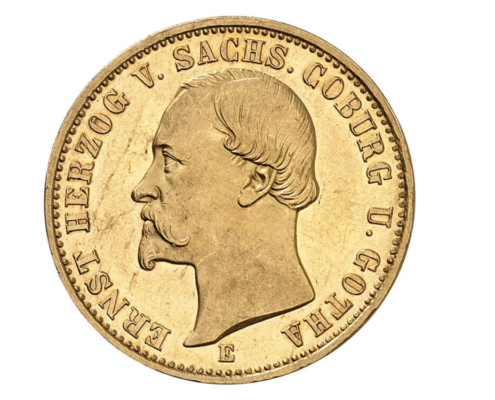
Ursula Kampmann2023-05-25 09:00:382023-06-27 11:24:32From Taler to Mark: The Long Road to a Common Currency
https://new.coinsweekly.com/wp-content/uploads/2023/05/2023KW21HA00.jpg
750
1000
Ursula Kampmann
https://new.coinsweekly.com/wp-content/uploads/2023/01/logo-coinsweekly_590x204.png
Ursula Kampmann2023-05-25 09:00:382023-06-27 11:24:32From Taler to Mark: The Long Road to a Common Currency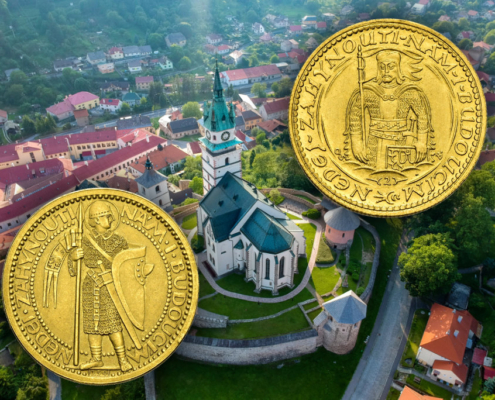 https://new.coinsweekly.com/wp-content/uploads/2024/05/2024KW19HA_00.jpg
684
860
Ursula Kampmann
https://new.coinsweekly.com/wp-content/uploads/2023/01/logo-coinsweekly_590x204.png
Ursula Kampmann2024-05-08 08:46:252024-05-08 08:46:25The First Years of Czechoslovak Coinage
https://new.coinsweekly.com/wp-content/uploads/2024/05/2024KW19HA_00.jpg
684
860
Ursula Kampmann
https://new.coinsweekly.com/wp-content/uploads/2023/01/logo-coinsweekly_590x204.png
Ursula Kampmann2024-05-08 08:46:252024-05-08 08:46:25The First Years of Czechoslovak Coinage
How the Romans Made Counterfeits
Counterfeits have been around in ancient Roman times, too – usually, they were cast from a copper-tin alloy. Researchers at the University of Tübingen examined the counterfeiting process and reconstructed it experimentally. A video documents their experiment.
“Money Talks” – Understanding Leaders in the Collectibles Market
“Money Talks” is the new show of Stack’s Bowers Galleries proposing conversations with market makers and leaders within the world of rare collectibles and finance. Episode 3 features former CCG chairman Mark Salzberg. And season two is about to come.