






Archive: People and Markets
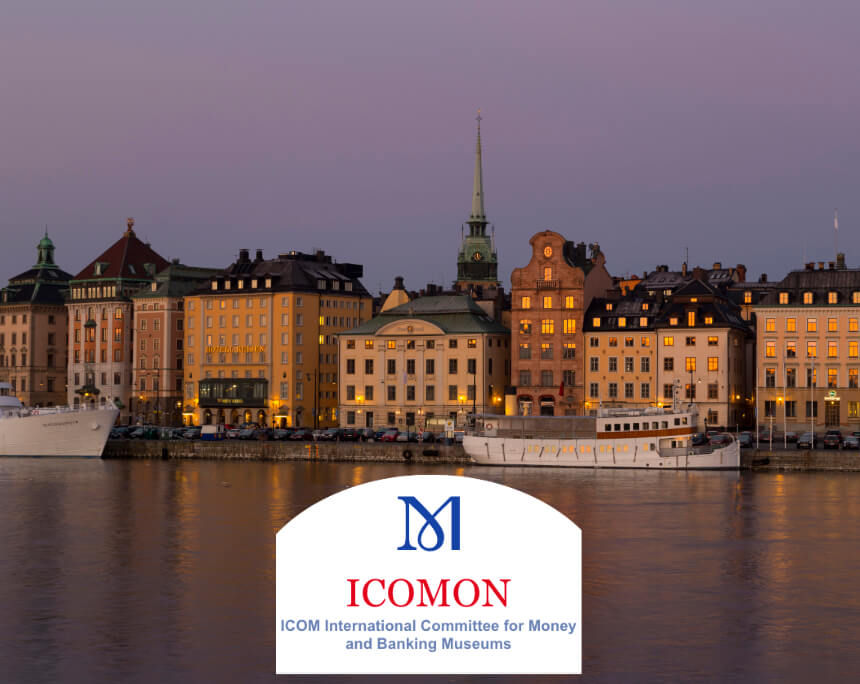
Register Now for the 30th Annual ICOMON Conference
The Economy Museum in Stockholm will host this year’s conference of the International Committee for Money and Banking Museums (ICOMON) on 25-28 September 2024. The registration is now open and the preliminary program is available online.
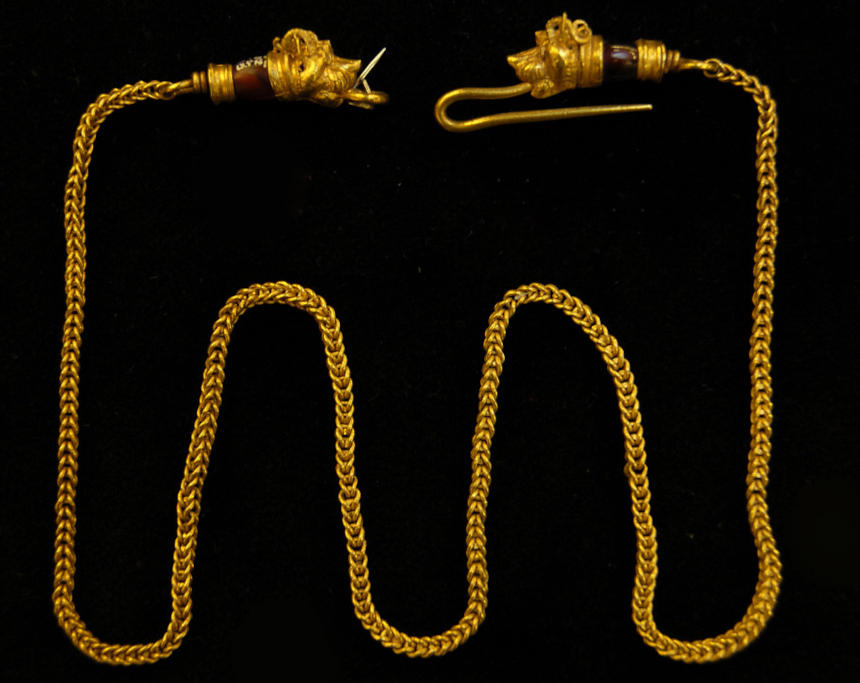
Can the British Museum Recover Their Lost Items?
Around 2,000 un-inventoried objects from the Greek-Roman collection of the British Museum were stolen. The museum recently announced the deployment of a task force and recovery program, but will these measures be enough to see the return of the lost objects?
Archive: Coins, Medals and more
 https://new.coinsweekly.com/wp-content/uploads/2024/11/2024KW45HA1_00.jpg
684
860
Bruno
https://new.coinsweekly.com/wp-content/uploads/2023/01/logo-coinsweekly_590x204.png
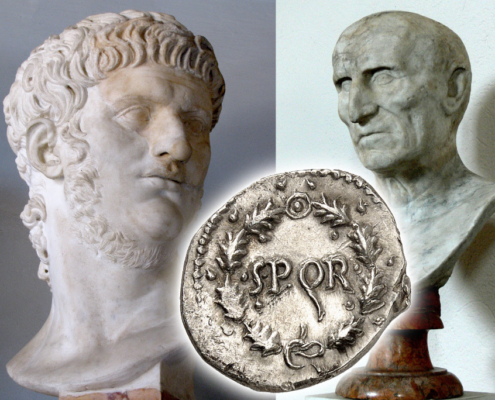
Bruno2024-11-07 08:49:152024-11-08 14:14:32The Roman Civil War of 68/9: The Prelude to the Year of the Four Emperors
https://new.coinsweekly.com/wp-content/uploads/2024/11/2024KW45HA1_00.jpg
684
860
Bruno
https://new.coinsweekly.com/wp-content/uploads/2023/01/logo-coinsweekly_590x204.png
Bruno2024-11-07 08:49:152024-11-08 14:14:32The Roman Civil War of 68/9: The Prelude to the Year of the Four Emperors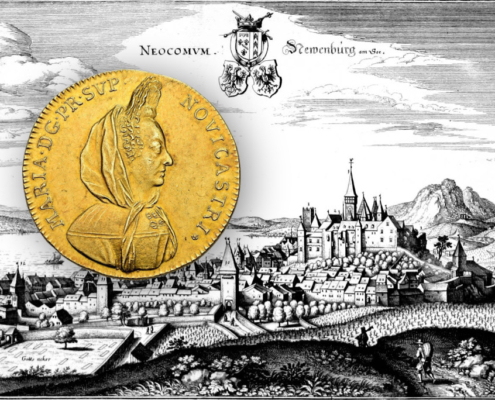 https://new.coinsweekly.com/wp-content/uploads/2024/10/2024KW41HA1_00.jpg
684
860
Lucie Loechel
https://new.coinsweekly.com/wp-content/uploads/2023/01/logo-coinsweekly_590x204.png
Lucie Loechel2024-10-10 13:41:242024-10-10 13:46:34Why Neuchâtel Is Not Part of France Today
https://new.coinsweekly.com/wp-content/uploads/2024/10/2024KW41HA1_00.jpg
684
860
Lucie Loechel
https://new.coinsweekly.com/wp-content/uploads/2023/01/logo-coinsweekly_590x204.png
Lucie Loechel2024-10-10 13:41:242024-10-10 13:46:34Why Neuchâtel Is Not Part of France Today
Numismata: The Coin Show with a Special Flair
From 2 to 3 March 2024, the internationally renowned Numismata will be held in Munich. Angela Modes invites collectors and coin dealers from all over the world to experience the wide range of offers at the show.
Coins and Mints in Avignon Between Provence and Papacy
The French Society for Numismatic and Archaeological Studies (SÉNA) published the proceedings of their 2017 colloquium. The volume presents various works and studies on the coinage in and around Avignon.