







Archive: People and Markets
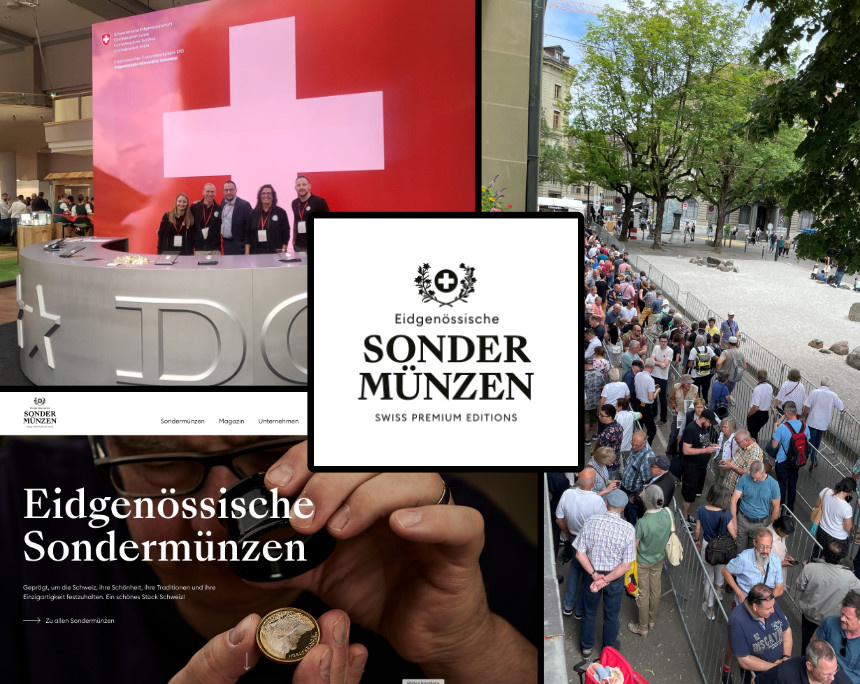
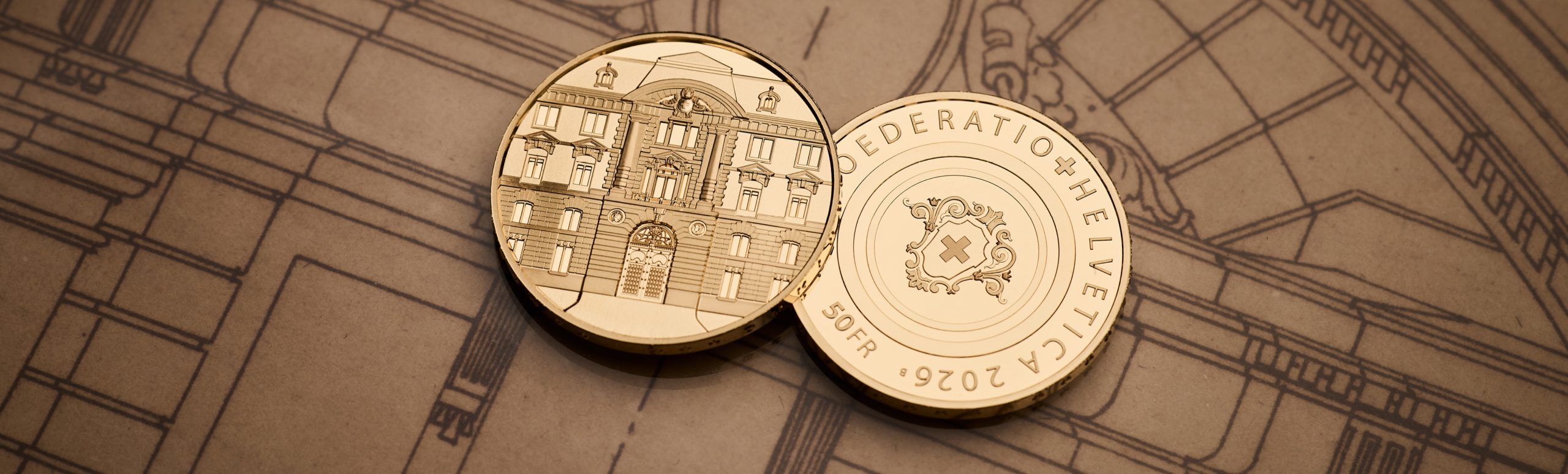
Swissmint as Guest of Honour at the World Money Fair
Modern coins for a modern Switzerland – that is the mission of Swissmint. As the guest of honour at the 2025 World Money Fair, Swissmint has many attractions in store for collectors and visitors. Read on to find out more.
Highly Rare in Circulation: 2-Euro Commemorative Coins from San Marino
San Marino’s circulation coins are rare – even in the small Republic itself. And San Marino also issued just a few 2-euro commemorative coins. A real challenge for collectors. Fortunately, numiscontrol has some tips.
Archive: Coins, Medals and more
 https://new.coinsweekly.com/wp-content/uploads/2023/06/00-7.jpg
496
500
Bruno
https://new.coinsweekly.com/wp-content/uploads/2023/01/logo-coinsweekly_590x204.png
Bruno2022-06-13 12:00:272023-07-03 14:53:25State-of-the-Art Minting Technology
https://new.coinsweekly.com/wp-content/uploads/2023/06/00-7.jpg
496
500
Bruno
https://new.coinsweekly.com/wp-content/uploads/2023/01/logo-coinsweekly_590x204.png
Bruno2022-06-13 12:00:272023-07-03 14:53:25State-of-the-Art Minting Technology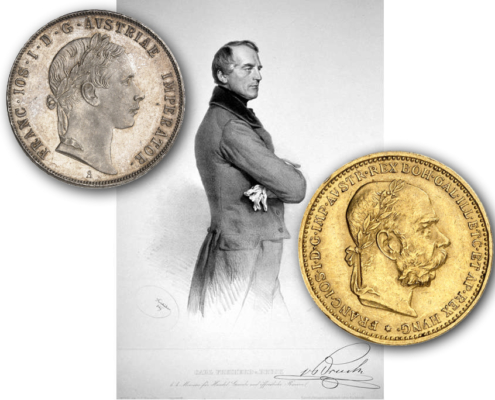 https://new.coinsweekly.com/wp-content/uploads/2024/03/2024KW12bHA_00.jpg
684
860
Ursula Kampmann
https://new.coinsweekly.com/wp-content/uploads/2023/01/logo-coinsweekly_590x204.png
Ursula Kampmann2024-03-21 08:00:102024-03-21 08:09:54A War Fought with Unusual Weapons: How Prussia Used Finance and Politics to Force the Habsburg Hereditary Lands Out of the German Confederation
https://new.coinsweekly.com/wp-content/uploads/2024/03/2024KW12bHA_00.jpg
684
860
Ursula Kampmann
https://new.coinsweekly.com/wp-content/uploads/2023/01/logo-coinsweekly_590x204.png
Ursula Kampmann2024-03-21 08:00:102024-03-21 08:09:54A War Fought with Unusual Weapons: How Prussia Used Finance and Politics to Force the Habsburg Hereditary Lands Out of the German Confederation
Peter Ilisch (1947–2023)
Peter Ilisch passed away on 29 May 2023. The former curator in Münster specialised in medieval and early modern Westphalia. As an obituary, we publish the speech of Stefan Kötz, who paid tribute to his predecessor in office at the funeral service.
Decline in Print Business: MDM Announces Job Cuts
The Münzhandelsgesellschaft in Brunswick reports a decline in sales and plans to reorganise its sales and develop new products.