






Archive: People and Markets
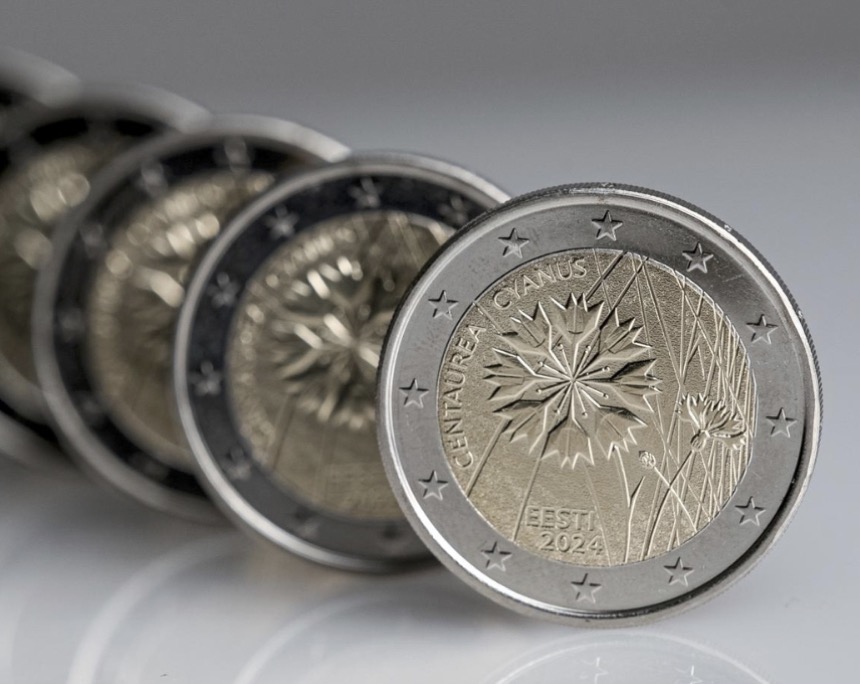
2-Euro Ticker: New 2-Euro Coins in May 2024
Fresh supply for all 2-euro fans: San Marino comes up with a treat for collectors, Estonia hits the headlines twice, and Belgium is already completing its numismatic 2-euro year.
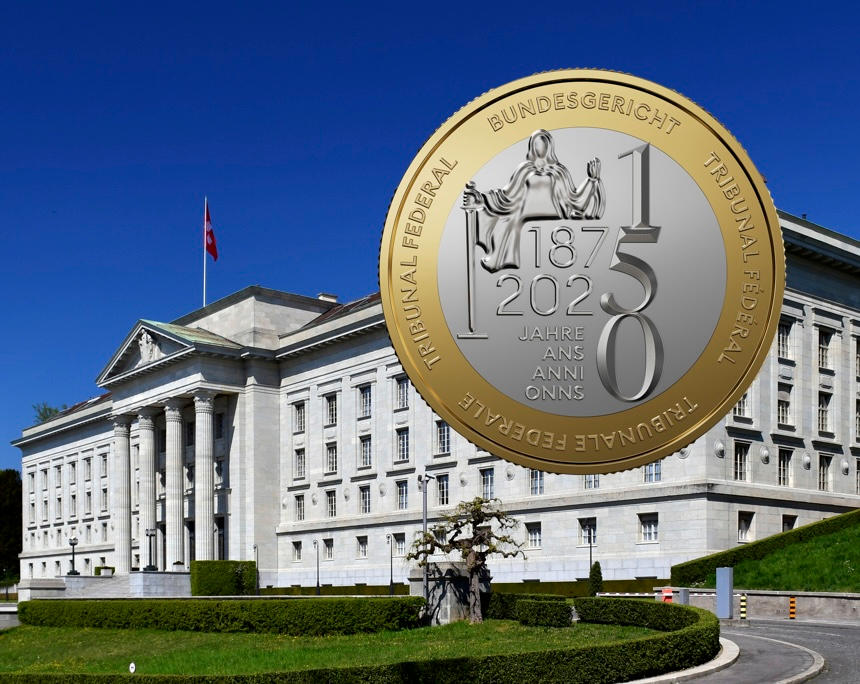
Bimetallic Coin Celebrates 150 Years of the Swiss Federal Supreme Court
With a 10-franc bimetallic coin, Swissmint commemorates the founding of the Federal Supreme Court of Switzerland 150 years ago. The coin is available today.
Archive: Coins, Medals and more
 https://new.coinsweekly.com/wp-content/uploads/2025/04/2025KW16HA02_00.jpg
684
860
Lucie Loechel
https://new.coinsweekly.com/wp-content/uploads/2023/01/logo-coinsweekly_590x204.png
Lucie Loechel2025-04-17 08:30:092025-04-17 10:43:15Berlin and South Africa – A Time-Honoured Connection
https://new.coinsweekly.com/wp-content/uploads/2025/04/2025KW16HA02_00.jpg
684
860
Lucie Loechel
https://new.coinsweekly.com/wp-content/uploads/2023/01/logo-coinsweekly_590x204.png
Lucie Loechel2025-04-17 08:30:092025-04-17 10:43:15Berlin and South Africa – A Time-Honoured Connection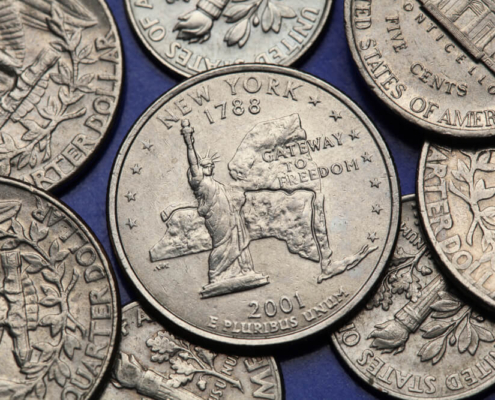 https://new.coinsweekly.com/wp-content/uploads/2023/06/00_shutterstock_235125199.jpg
667
1000
Bruno
https://new.coinsweekly.com/wp-content/uploads/2023/01/logo-coinsweekly_590x204.png
Bruno2022-06-13 12:25:292023-07-03 12:43:47Fascinating Change: The 50 State Quarters of the USA – a Milestone
https://new.coinsweekly.com/wp-content/uploads/2023/06/00_shutterstock_235125199.jpg
667
1000
Bruno
https://new.coinsweekly.com/wp-content/uploads/2023/01/logo-coinsweekly_590x204.png
Bruno2022-06-13 12:25:292023-07-03 12:43:47Fascinating Change: The 50 State Quarters of the USA – a Milestone
A Year of Gold Bars in US Supermarkets: Could the Costco Model Work in Europe?
Since autumn 2023, Americans have been able to invest in gold at the wholesale chain “Costco.” Those who bought then have enjoyed a handsome return – but whether gold will ever be sold at Aldi or Lidl in Europe remains uncertain.
Will the International Coin Market Be Affected by the New US Tariff Policy?
America’s tariff regime is dominating the headlines. Yesterday morning (CET), when Ursula Kampmann wrote this article, many countries were under the threat of high punitive tariffs. As of yesterday evening (CET), this is no longer the case. But it is still interesting to consider what would happen in the coin market if punitive tariffs were imposed.