






Archive: People and Markets

On Our Own Account: CoinsWeekly Takes a Moment to Reflect
CoinsWeekly will be taking a break from July 4 to September 15, 2025, to perfect and implement its new concept. Look forward to opinionated commentary and in-depth numismatic information, when CoinsWeekly is back again after September 15!

Pobjoy’s Newest Egyptian Gods Coin Features Anubis
On the occasion of the 250th birthday of British Egyptologist Dr Thomas Young, Pobjoy released a brand-new silver coin featuring one of the most iconic gods of ancient Egypt: Anubis.
Archive: Coins, Medals and more
 https://new.coinsweekly.com/wp-content/uploads/2023/06/2023KW23HA00.jpg
500
1000
Bruno
https://new.coinsweekly.com/wp-content/uploads/2023/01/logo-coinsweekly_590x204.png
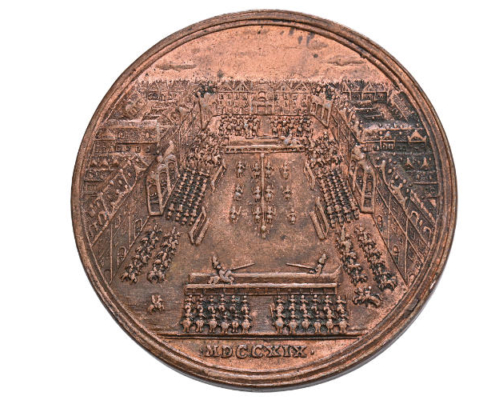
Bruno2023-06-07 10:29:512023-06-27 11:22:29The Wedding of a Century in Saxony
https://new.coinsweekly.com/wp-content/uploads/2023/06/2023KW23HA00.jpg
500
1000
Bruno
https://new.coinsweekly.com/wp-content/uploads/2023/01/logo-coinsweekly_590x204.png
Bruno2023-06-07 10:29:512023-06-27 11:22:29The Wedding of a Century in Saxony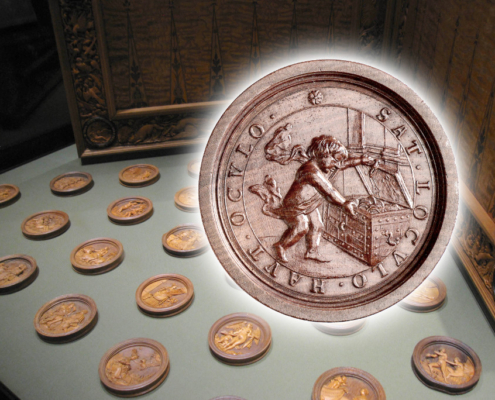 https://new.coinsweekly.com/wp-content/uploads/2025/05/2025KW20HA01_00.jpg
684
860
Lucie Loechel
https://new.coinsweekly.com/wp-content/uploads/2023/01/logo-coinsweekly_590x204.png
Lucie Loechel2025-05-15 11:34:482025-05-15 11:34:48What Do Gaming Counters Have to Do with Numismatics?
https://new.coinsweekly.com/wp-content/uploads/2025/05/2025KW20HA01_00.jpg
684
860
Lucie Loechel
https://new.coinsweekly.com/wp-content/uploads/2023/01/logo-coinsweekly_590x204.png
Lucie Loechel2025-05-15 11:34:482025-05-15 11:34:48What Do Gaming Counters Have to Do with Numismatics?
Wolfgang Steguweit Receives the Federal Cross of Merit
The renowned numismatist Wolfgang Steguweit has been awarded the Order of Merit of the Federal Republic of Germany. The German President has thus honoured Steguweit’s cultural achievements – and not only in the field of numismatics.
Monnaie de Paris Faces Criticism from Enthusiastic Collectors
As athletes around the world prepare to deliver top performances at the Olympic Games, the Monnaie de Paris – France’s prestigious mint – has disqualified itself in the eyes of many collectors for unsporting behaviour. What happened?