






Archive: People and Markets
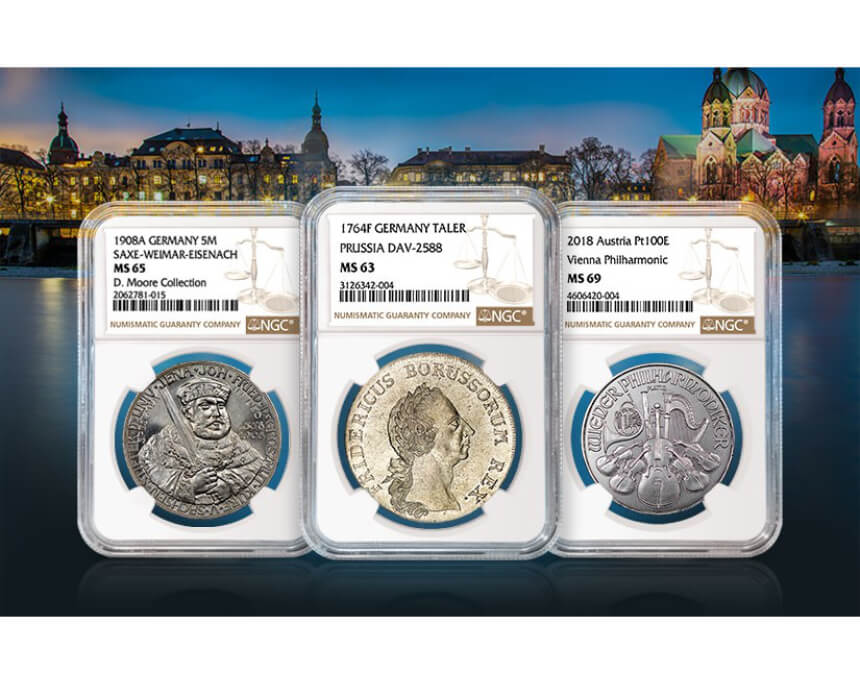
NGC Grading On-site in Munich in February
For the first time since 2019, NGC will be carrying out on-site coin grading at its office in Munich in February. Collectors and dealers have the opportunity to submit their treasures for grading at the World Money Fair in Berlin.

The Great Kentucky Hoard of Pre-1865 US Gold Coinage
A cache of rare Civil War-era coins unearthed in Kentucky includes the finest-known 1863 Double Eagles as well as several interesting varieties and errors.
Archive: Coins, Medals and more
 https://new.coinsweekly.com/wp-content/uploads/2023/08/2023KW34HA_00.jpg
684
860
Bruno
https://new.coinsweekly.com/wp-content/uploads/2023/01/logo-coinsweekly_590x204.png
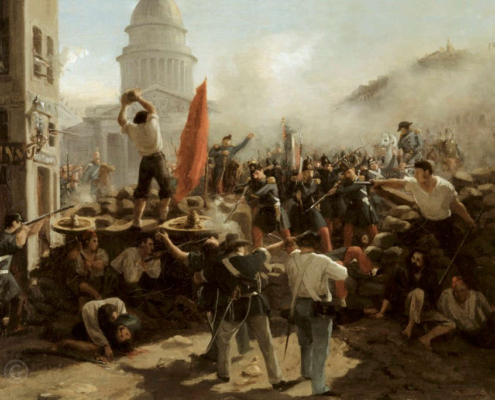
Bruno2023-08-23 10:16:152023-08-23 10:16:15French History in Coins – Part 2: From the Second Republic to the Second Empire
https://new.coinsweekly.com/wp-content/uploads/2023/08/2023KW34HA_00.jpg
684
860
Bruno
https://new.coinsweekly.com/wp-content/uploads/2023/01/logo-coinsweekly_590x204.png
Bruno2023-08-23 10:16:152023-08-23 10:16:15French History in Coins – Part 2: From the Second Republic to the Second Empire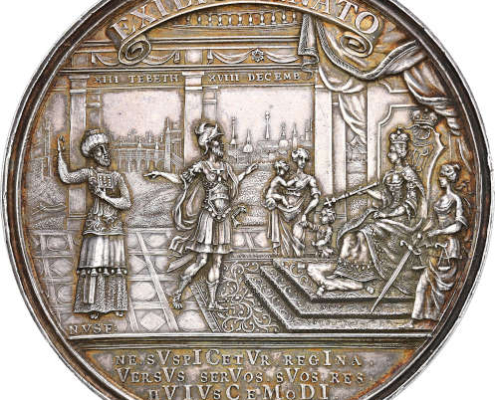 https://new.coinsweekly.com/wp-content/uploads/2023/06/2023KW24HA00.jpg
500
497
Bruno
https://new.coinsweekly.com/wp-content/uploads/2023/01/logo-coinsweekly_590x204.png
Bruno2023-06-14 09:53:382023-06-27 11:20:26Maria Theresa and Her Persecution of Jews
https://new.coinsweekly.com/wp-content/uploads/2023/06/2023KW24HA00.jpg
500
497
Bruno
https://new.coinsweekly.com/wp-content/uploads/2023/01/logo-coinsweekly_590x204.png
Bruno2023-06-14 09:53:382023-06-27 11:20:26Maria Theresa and Her Persecution of Jews
In Love With Japan
This year, Andrea Pancheri attended the Tokyo International Coin Convention for the first time on our behalf – and was absolutely thrilled by both the country and the event! Find out why here.
Exclusive High Relief Coin by Swissmint
In cooperation with CIT Coin Invest, Swissmint offered a special coin with smartminting high relief for the Zurich International Coin Fair.