







Archive: People and Markets
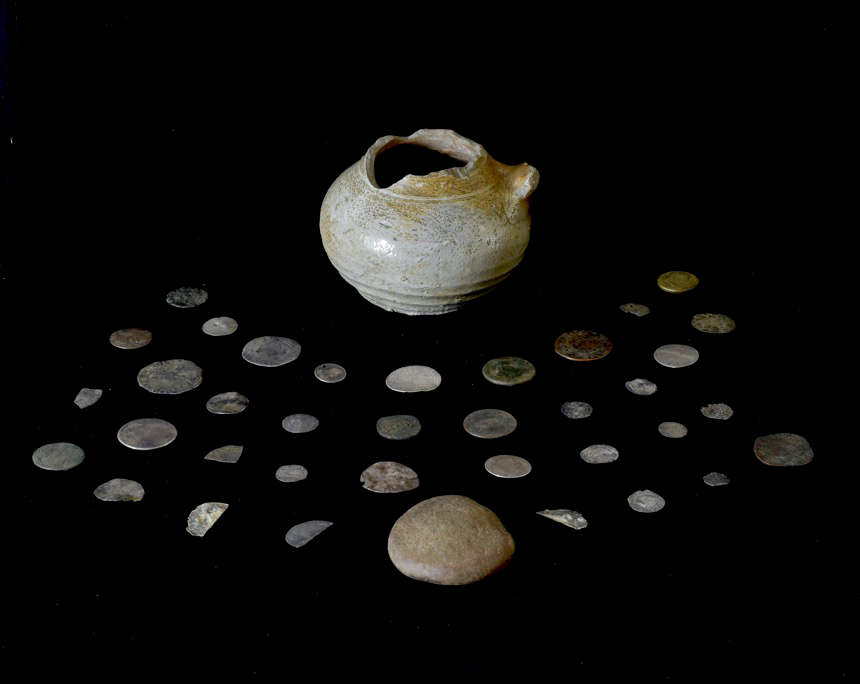
Coin Hoard Gives Fascinating Insight Into Life Before the Glencoe Massacre
Hidden underneath a stone fireplace of a house in Glencoe, Scotland, a pot with silver coins was recently discovered. They were minted in the years shortly before the infamous Glencoe massacre of 1692. Was the person who buried these coins among the victims of the treacherous clan slaughter in the Highlands?
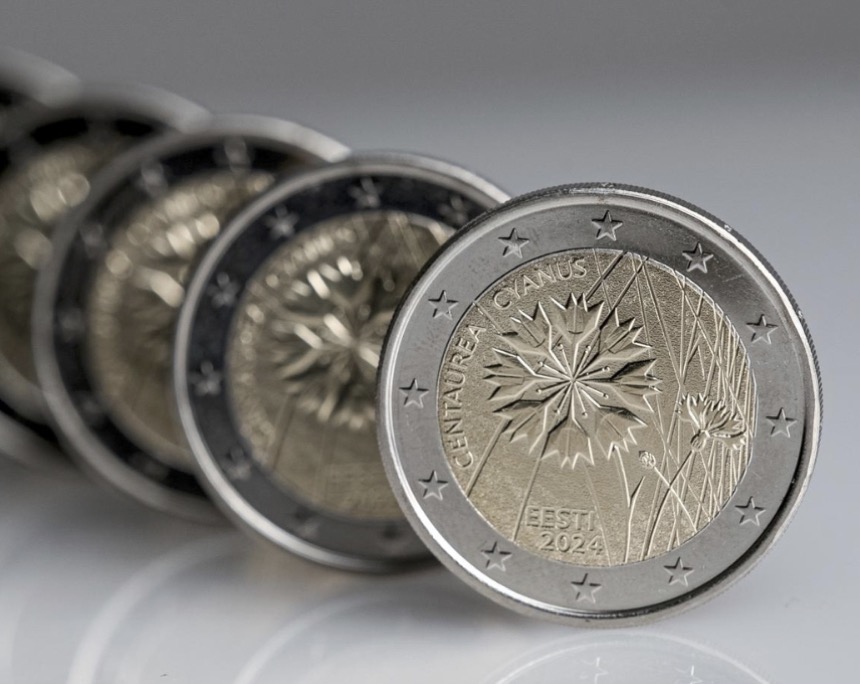
2-Euro Ticker: New 2-Euro Coins in May 2024
Fresh supply for all 2-euro fans: San Marino comes up with a treat for collectors, Estonia hits the headlines twice, and Belgium is already completing its numismatic 2-euro year.
Archive: Coins, Medals and more
 https://new.coinsweekly.com/wp-content/uploads/2024/09/2024KW36HA_00.jpg
684
860
Lucie Loechel
https://new.coinsweekly.com/wp-content/uploads/2023/01/logo-coinsweekly_590x204.png
Lucie Loechel2024-09-05 10:46:502024-09-05 13:34:39Silver for Württemberg
https://new.coinsweekly.com/wp-content/uploads/2024/09/2024KW36HA_00.jpg
684
860
Lucie Loechel
https://new.coinsweekly.com/wp-content/uploads/2023/01/logo-coinsweekly_590x204.png
Lucie Loechel2024-09-05 10:46:502024-09-05 13:34:39Silver for Württemberg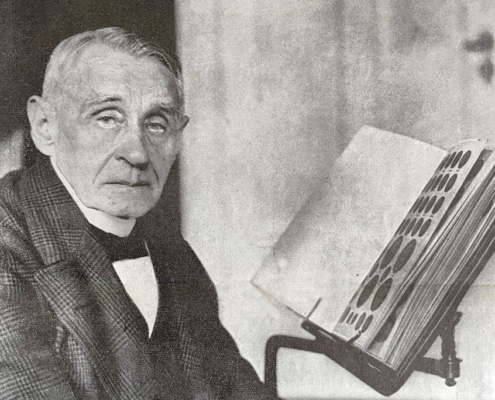 https://new.coinsweekly.com/wp-content/uploads/2025/02/2025KW08HA01_00.jpg
684
860
Lucie Loechel
https://new.coinsweekly.com/wp-content/uploads/2023/01/logo-coinsweekly_590x204.png
Lucie Loechel2025-02-20 09:21:132025-02-20 09:49:19L. E. Bruun: A Collector in His Time
https://new.coinsweekly.com/wp-content/uploads/2025/02/2025KW08HA01_00.jpg
684
860
Lucie Loechel
https://new.coinsweekly.com/wp-content/uploads/2023/01/logo-coinsweekly_590x204.png
Lucie Loechel2025-02-20 09:21:132025-02-20 09:49:19L. E. Bruun: A Collector in His Time
Royal Canadian Mint Reports First Quarter 2024 Financial Results
The Royal Canadian Mint has released its financial results for the year 2023 and the first quarter of 2024, offering insights into its activities, market influences, and expectations for the coming year.
Gold at Record High, Demand for Bullion Coins Collapses
While the gold price has reached new all-time highs several sessions in recent weeks and gained around 20 per cent in value in a short period of time in a steep upward trend, several mints are reporting a drastic decline in sales in the precious metal sector.