











Archive: People and Markets
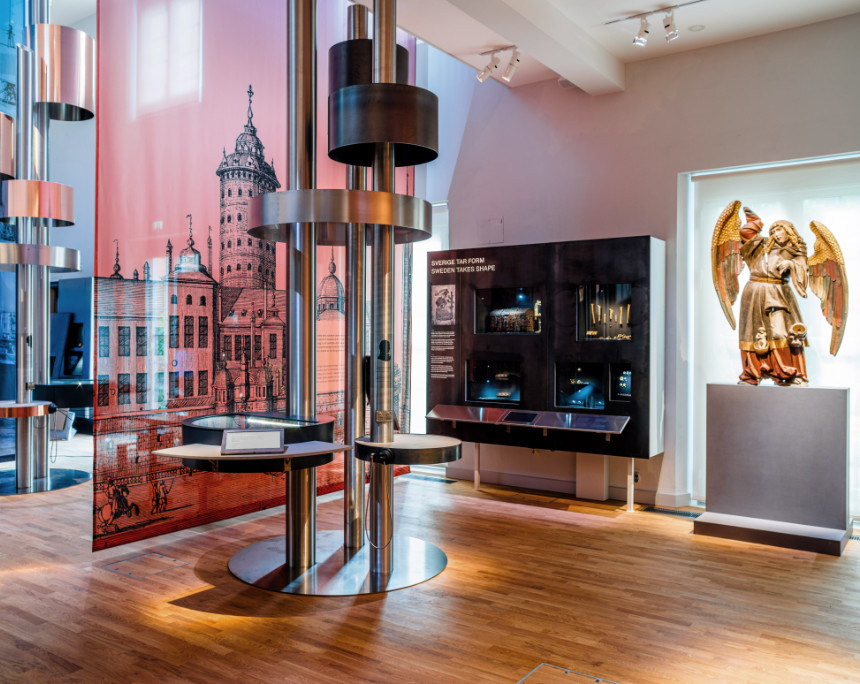
Swedish Economy Museum Reopened
Ever since the Swedish “Economy Museum – Royal Coin Cabinet” moved to a new location in 2019, there have only been special exhibitions on display. Now, the two permanent exhibitions on the topics of money and the economy were finally opened.
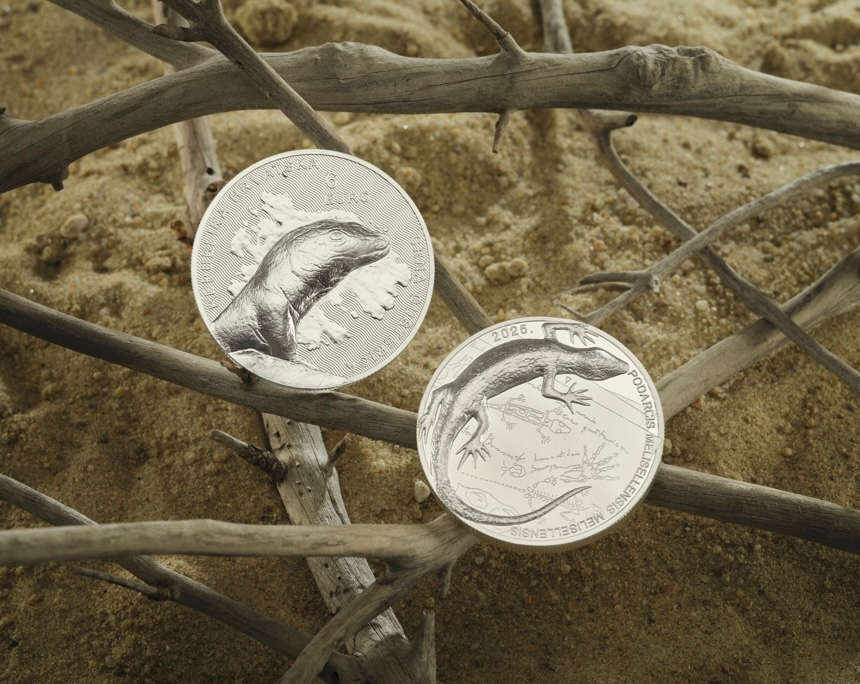
The Black Lizard from Brusnik Island in Ultra-High Relief
Croatia is home to a lizard species that would have impressed even Darvin himself: the autochthonous black lizard, found only on the island of Brusnik. On 14 March 2024, Croatia issued three collector coins in its honour. Now the fourth, a two-ounce silver version in ultra-high relief, has been released.
Archive: Coins, Medals and more
 https://new.coinsweekly.com/wp-content/uploads/2024/05/2024KW21HA_00.jpg
684
860
Ursula Kampmann
https://new.coinsweekly.com/wp-content/uploads/2023/01/logo-coinsweekly_590x204.png
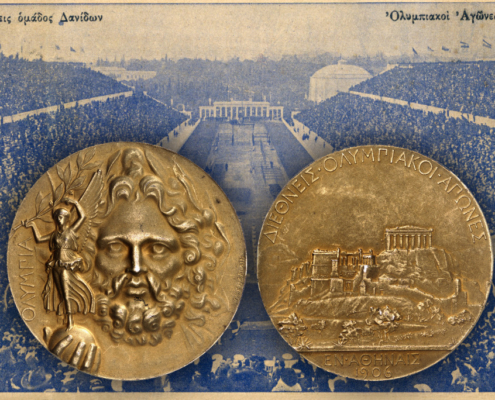
Ursula Kampmann2024-05-23 10:47:532024-05-23 11:04:37The Olympic Games That Are No Longer Recognized
https://new.coinsweekly.com/wp-content/uploads/2024/05/2024KW21HA_00.jpg
684
860
Ursula Kampmann
https://new.coinsweekly.com/wp-content/uploads/2023/01/logo-coinsweekly_590x204.png
Ursula Kampmann2024-05-23 10:47:532024-05-23 11:04:37The Olympic Games That Are No Longer Recognized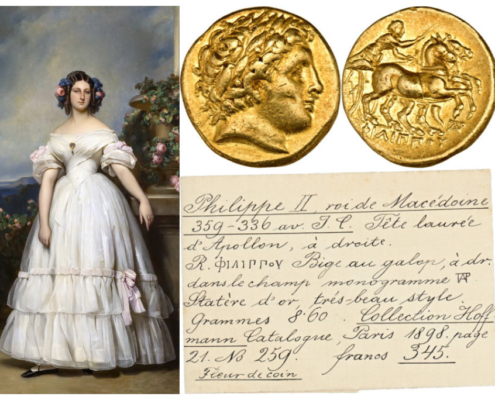 https://new.coinsweekly.com/wp-content/uploads/2024/10/2024KW43HA_00.jpg
684
860
Lucie Loechel
https://new.coinsweekly.com/wp-content/uploads/2023/01/logo-coinsweekly_590x204.png
Lucie Loechel2024-10-24 10:15:002024-10-24 13:59:31Clémentine d’Orléans: Extraordinary Woman and Coin Collector
https://new.coinsweekly.com/wp-content/uploads/2024/10/2024KW43HA_00.jpg
684
860
Lucie Loechel
https://new.coinsweekly.com/wp-content/uploads/2023/01/logo-coinsweekly_590x204.png
Lucie Loechel2024-10-24 10:15:002024-10-24 13:59:31Clémentine d’Orléans: Extraordinary Woman and Coin Collector
Maundy Money 2025: King Charles III Continues British Easter Tradition
King Charles III and Queen Camilla continued one of the oldest traditions of the British monarchy on Maundy Thursday 2025 in Durham Cathedral: the ceremonial distribution of the so-called Maundy Money.
Royal Dutch Mint and Osborne Coinage Join the Heimerle + Meule Group
It was only recently that we posted about the acquisition of Reischauer by the Heimerle + Meule Group – but the next big announcement follows right away: the company acquired all shares in the Royal United Mint, who is the parent company of well-known businesses like the Royal Dutch Mint and Osborne Coinage.